
Bozcaada
Turkey · Asia
About
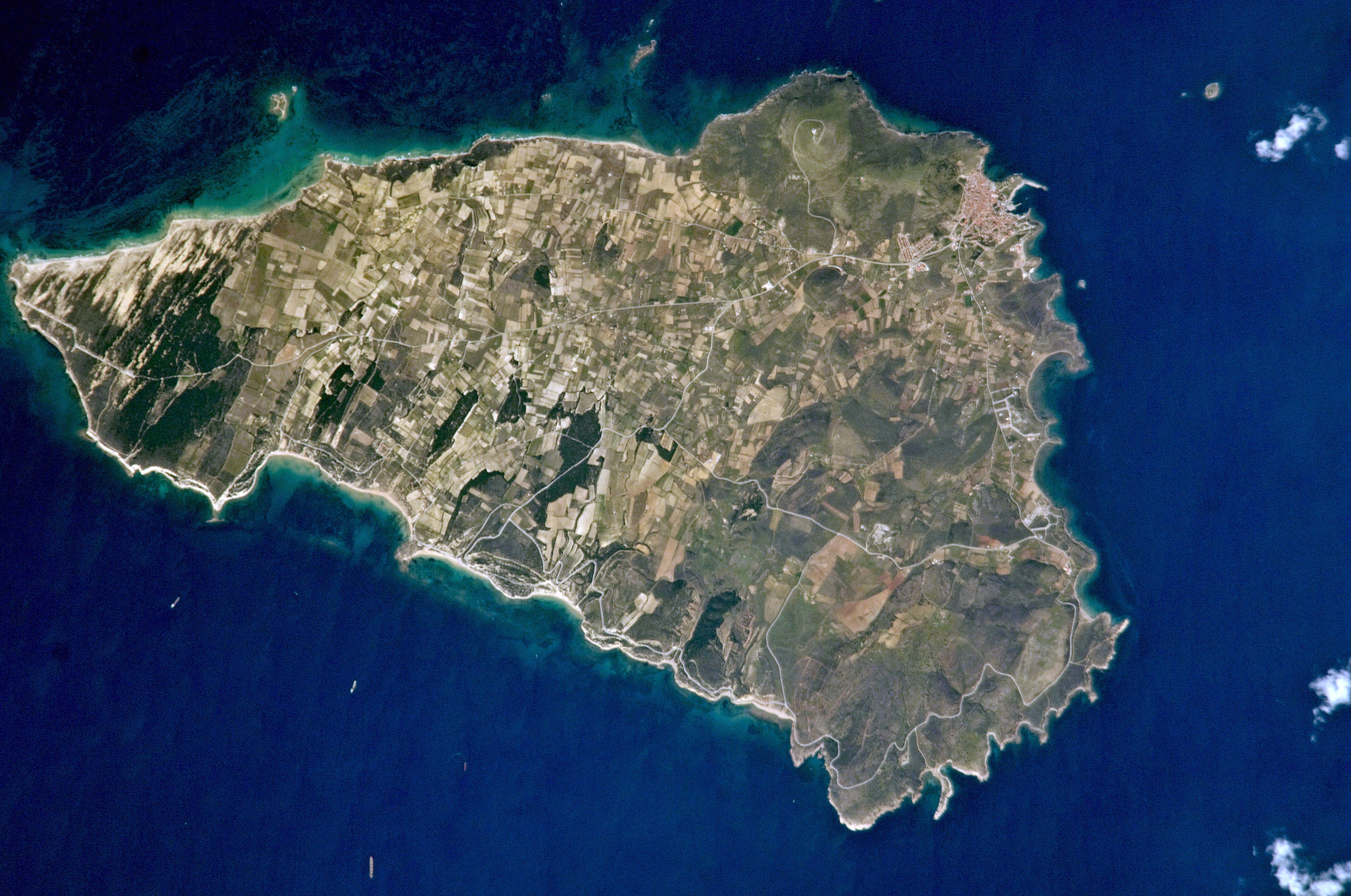
Tenedos (Greek: Τένεδος; pronounced [ˈteneðos]; Latin: Tenedus), or Bozcaada in Turkish, is an island of Turkey in the northeastern part of the Aegean Sea. Administratively, the island constitutes the Bozcaada district of Çanakkale Province. With an area of 39.9 km2 (15 sq mi), it is the third-largest Turkish island after Imbros (Gökçeada) and Marmara. In 2022, the district had a population of 3,120 inhabitants. The main industries are tourism, wine production and fishing. The island has been famous for its grapes, wines and red poppies for centuries. It is a former bishopric and presently a Latin Catholic titular see.
Tenedos is mentioned in both the Iliad and the Aeneid, in the latter as the site where the Greeks hid their fleet near the end of the Trojan War in order to trick the Trojans into believing the war was over and into taking the Trojan Horse within their city walls. Despite its small size, the island was important throughout classical antiquity due to its strategic location at the entrance of the Dardanelles. In the following centuries, the island came under the control of a succession of regional powers, including the Persian Empire, the Delian League, the empire of Alexander the Great, the Attalid kingdom, the Roman Empire and its successor, the Byzantine Empire, before passing to the Republic of Venice. As a result of the War of Chioggia (1381) between Genoa and Venice the entire population was evacuated and the town was demolished. The Ottoman Empire established control over the deserted island in 1455. During Ottoman rule, it was resettled by both Greeks and Turks. In 1807, the island was temporarily occupied by the Russians. During this invasion the town was burnt down and many Turkish residents left the island.
Under Greek administration between 1912 and 1923, Tenedos was ceded to Turkey with the Treaty of Lausanne (1923) which ended the Turkish War of Independence following the dissolution of the Ottoman Empire in the aftermath of World War I. The treaty called for a quasi-autonomous administration to accommodate the local Greek population and excluded the Greeks on the two islands of Imbros and Tenedos from the wider population exchanges that took place between Greece and Turkey. Tenedos remained majority Greek until the late 1960s and early 1970s, when many Greeks emigrated because of discriminatory policies and episodes of anti-Greek violence. Starting with the second half of the 20th century, there has been immigration from mainland Anatolia, especially Romani from the town of Bayramiç.
Adapted from Wikipedia (CC BY-SA)。Photography via Wikimedia Commons.