
Valencian Community
Spain · Europe
關於Valencian Community
The Valencian Community (Valencian: Comunitat Valenciana, Spanish: Comunidad Valenciana), sometimes also known as the Valencian Country, is an autonomous community or region of Spain in the central and south-eastern Iberian Peninsula.
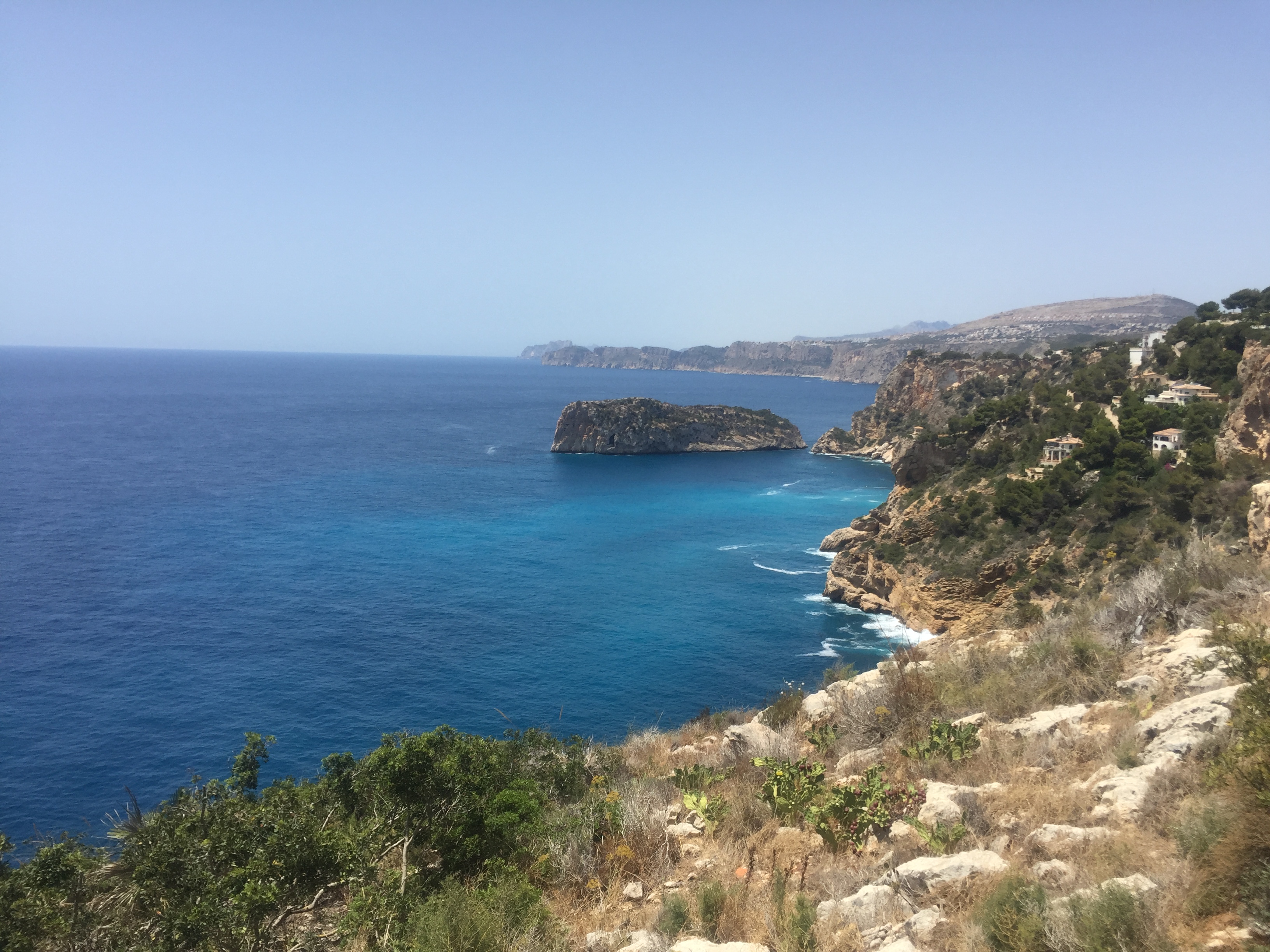
For many people, the region conjures up images of endless fine beaches, unspoiled water and beautiful weather. Alongside this, the wonderful eating, spectacular festivals, traditional Spanish cities and surprising cultural scene offer a true taste of Spain with a Valencian twist. Further inland, the incredibly varied geography of the region means that there are plenty of natural wonders to surprise any visitor.
The region is made up of three provinces, with a shared history as part of the historic Crown of Aragon. As such, they have a common culture which also shares much with Catalonia and Aragon. This culture and the beautiful, varied landscape makes it an attractive destination for tourists, with millions visiting from Spain and the rest of Europe each year.
Valencian Community旅遊指南
城市概覽
The Valencian Community is one of Spain's most popular domestic and international tourist destinations. As a result of excellent air, road and rail links and a hot Mediterranean climate in the summer, 9 million international tourists visited the region in 2017. With over 400 km of coastline, the community is perhaps best known for its beautiful beaches, with stretches such as Alicante province's Costa Blanca particularly popular. It has large resort towns which double in population each summer, and smaller coastal villages which offer a more sedate experience. It would be wrong to assume that the Valencian Community is all about the coast however - it is an exceptionally varied region, with beautiful forests in Castellón province and great mountainous areas further inland. The unique culture of the Valencian people and history of the region also sees tourists visit to experience some of the stunning architecture, culture and cuisine of cities such as Xàtiva and the regional capital Valencia. Pictures from Buñol are beamed around the world each year in August, during La Tomatina - the festival in which 40,000 people join in a giant tomato fight in the town centre. Those who aren't keen on the idea of throwing their food will, however, still be attracted to the region's famous gastronomical offerings - including the paella, bunyols (a sweet fried pastry) and the orxata drink.
History
The area now known as the Valencian Community has been inhabited since pre-history, with evidence that hunter-gatherers were active in the region 30,000 years ago. The region was later inhabited by the Iberians, who populated the eastern and southern coasts of Iberia. After several centuries of settlement by the Greeks and the Carthaginians, the region became territory of the Roman Republic after the Second Punic War. In 138 BC, the Romans founded the city of Valentia which became an important settlement. After the fall of the Roman Empire, the region was ruled by various groups until
如何抵達
By air The region is primarily served by two main airports:
Alicante-Elche Airport: The fifth busiest airport in Spain, 9 km (5.6 mi) south-west of Alicante. It serves destinations across Europe with hundreds of flights per day and a marked increase in activity in the summer tourist season. The flight is well served with budget airlines meaning that international flights to the airport can often be cheap. The terminal provides a modern travelling experience with shops and restaurants airside. Many car rental companies operate from the airport and bus route C6 provides a connection to Alicante city centre. Valencia Airport: 8 km to the west of Valencia, the airport has flight connections from approximately 20 countries. The airport is connected to Metrovalencia, providing direct metro access to the city centre. A third international airport - Castellón–Costa Azahar Airport - opened in 2011 but has been plagued by controversy and consequently few flights operate out of the airport.
By train
The major cities of the Valencian Community are served by rail services from Madrid and Barcelona. Madrid From Madrid, RENFE provides the following direct AVE (high speed) services:
Frequent trains from Valencia, taking approximately 1 hr 45 min. A handful of services from Castellón each day, taking between 2 hr 30 min and 3 hr 30 min. Services from Alicante, taking approximately 2 hr 30 min. Barcelona To/from Barcelona, RENFE run the frequent Euromed service which connects all the major cities of the region, stopping at:
Barcelona Sants Tarragona, Catalonia (55 min) Castellón (2 hr 20 min) Valencia Joaquin (3 hr 15 min) Alicante (4 hr 55 min) Other destinations
A number of services run between Barcelona and the city of Murcia, calling at Castellón, Valencia and Alicante. While this provides a connection to the region from Murcia, these trains are slower than the Euromed service for travellers going from Barcelona and are therefore less useful for intra-region travel. To
當地交通
By coach Inter-city coaches are prevalent in the region and the extensive network means that, while it won't be the quickest option, the coach might often be an easier and cheaper choice than the train - especially in those places not served by the railway network. The destinations served from the major cities include many towns, so you might be surprised about how easy it is to get the coach to a destination that's off the beaten track. Alsa operate the most services by far and tickets can be pre-booked online. It is possible to turn up and buy a ticket at the coach station, as many Spanish locals do, but it is advisable to arrive earlier in order to secure a ticket. Many coaches provide free wi-fi on board.
By train
Mainline services The main cities of the Valencian Community are connected by train, making it relatively easy to travel between the three provinces. Castellon, Valencia and Alicante are all connected via RENFE's Euromed service. The duration between Castellon and Valencia is approximately one hour while Alicante is a further 90 minutes from Valencia. A number of smaller towns in the region are served on the mainline rail network on spurs heading towards Barcelona, Madrid, Murcia and Zaragoza. Additionally, a spur from Xativa serves a number of towns and villages (El Genoves, Beniganim, La Pobla del Duc, Montaverner, Bufali, Albaida, Aguellent, Ontinyent, Agres and Cocentaina) before terminating in Alcoy.
Commuter and metropolitan rail The major cities of the region are also served by extensive commuter rail and metro services around their metropolitan areas. The Cercanias Valencia (Valencian: Rodalia de Valencia) operates 66 stations across 6 lines in Valencia and Castellon provinces. All six lines terminate in Valencia (at either Valencia-Nord or Valencia-Sant-Isidre stations) and run to Gandia (line C1), Moxient (line C2), Utiel (line C3), Xirivella-L'Alter (line C4), Caudiel (line C5) and Castellon (line C6). Similarly, the south of Alic
必看景點
The variety of attractions in the Valencian Community provide ample material to either fill an entire trip dedicated to sightseeing, or for taking an afternoon away from the beach. Below is a taste of what the region has to offer, with more detailed listings in the province and city pages.
Historical attractions
The region's rich history means that it has countless historical sites dating back to prehistory. A large number of historic attractions have been preserved, allowing visitors to follow the history of Valencia and the wider Iberian peninsula. Travelers can find sites dating back to periods as varied as the Spanish Reconquista to the wealthy Spanish Empire or fortresses from the Napoleonic wars. It offers three UNESCO World Heritage sites:
In the region's capital, the llotja de la Seda (Silk Exchange) is an architecturally stunning Gothic building, in the city's old town, which has been a centre of trade and commerce in Valencia since the 15th century. It illustrates the
城市概覽改寫自 Wikipedia,旅遊指南來自Wikivoyage (CC BY-SA)。照片來自 Wikimedia Commons.