
Ua Huka
France · Europe
關於Ua Huka
Ua Huka is a very pretty little island with warm and friendly inhabitants in French Polynesia.
Ua Huka旅遊指南
城市概覽
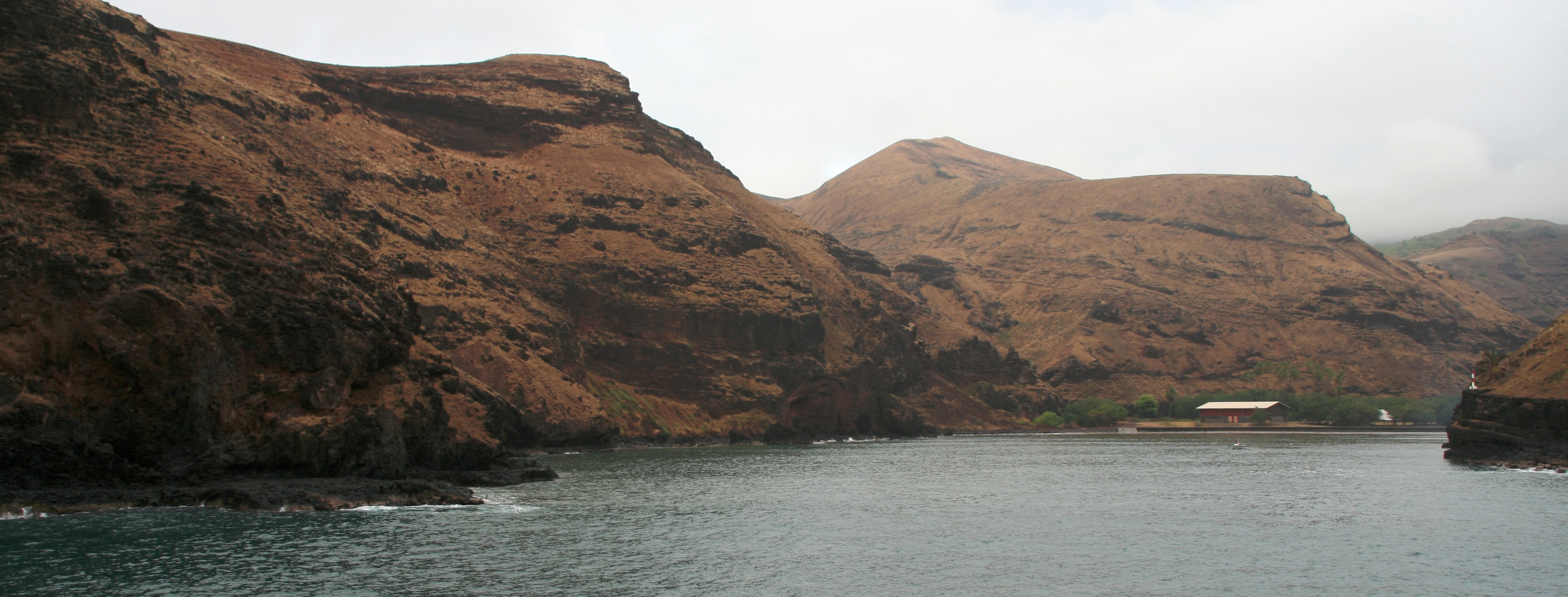
This small and charming island is one of the smallest in the Marquesas. It has a population around 600 most of which live on the southern half of the island. The island centre are made up of two crescent shaped ridges running mostly east-west. The largest village is in the westernmost bay of Vaipaee where the school, the mayor's office, and the infirmery can be found. The bay here is deep and narrow which brings strong winds from either direction. Only one of the two cargo ships can enter to have direct access to the quai for unloading. When the Aranui is there it seems that if takes up the entire bay. There are also two or three small stores along the road as you leave the port. There is also a small pension above the road just past the townhall. The road runs along one side of the valley which become quite steep as you near the summit leaving the valley. Once on the plateau, you descend into a shallow valley with rolling hills and valleys which takes you past a small neighbourhood with some 20 homes. From there you move south to the airport and the festival grounds. As you continue your way east you soon come to the village of Hane where a maritime museum can be found along the waterfront. Further east is the village of Hokatu and the end of the road. Another small community will one store and perhaps a population of 200.
如何抵達
Ua Huka Airport (UAH IATA) consists of a single 755-m asphalt runway between the villages of Vaipaee and Hane. It is served exclusively by Air Tahiti with small aircraft via Nuku Hiva (flight time approximately 30 minutes). The Aranui 5 passenger ship calls at Ua Huka from Tahiti once a month. The ship cannot dock at Vaipaee's small pier, so it has to be loaded and unloaded by boats.
當地交通
The three villages and the airfield are connected by a paved road, the rest of the island is undeveloped or accessible only by roads and trails.
必看景點
All along the paved road are beautiful vistas of the land, the bays and the numerous small islands. The easternmost of the outcroppings, Motu Hane, can be viewed from a turn-off as you round the point heading into the bay Kokatu. To the west off the low plateau of the airport is Motu Papa, a small islets which is quite picturesque. There are two motus, called Hemeni and Teuaua. Teuaua is well known for the large number of birds who nest here. The locals organise trips to the island to harvest the eggs in season, which will have local birds eggs in almost every refrigerator on the island. Meiaute, the most important archaeological site on the island, is at the foot of Mount Hitikau on the south coast. It is an extensive complex of stone platforms, only partially exposed, with paepae (living platforms) and mea'e (ceremonial platforms), as well as three red tufa tiki, up to a metre high. At Vaikivi, in the Vaipaee valley and only accessible on foot, there are about 50 carved petroglyphs, including faces, geometric figures and, unique to the Marquesas, a sailing canoe. More petroglyphs can be found in the upper, now uninhabited area of the Hane Valley, as well as numerous remains of residential and ceremonial platforms. In Manihina, two kilometres east of the village of Vaipaee, the 17-hectare Pupuakeiha Arboretum has more than 300 species of trees that have been planted. Visitors can see how the trees have adapted to the Marquesan soil and to select varieties to reforest the island, and preserves many of the species native to the region. Of special interest to visitors are the unique large-leaved Marquesas palms (Pelagodoxa henryana) and the collection of more than 100 species of citrus trees.
Museums The Vaipaee Archaeological Museum: opened in 1989, it contains numerous traditional and handicraft objects, many of them donated by the people (tikis, wood carvings, tapa bark raffia, decorated popoi bowls, bracelets, earrings, shovels, U'u sticks and native stone to
體驗活動
horseback riding; tour the island by boat The island's most beautiful white beach is at Manihina, also a good place for snorkelling. There are other small black and grey sand beaches in Haavai and Hane Bays.
購物
Crafts consist mainly of wood carving, which is paradoxical given the small area occupied by trees. Some craftsmen choose to go to other islands to practise their trade more easily. The most commonly carved objects are puzzles, spears, plates and bracelets. The most commonly used species are miro (rosewood), tou (Cordia subcordata), toa (ironwood, for jigsaw puzzles) and sandalwood. Other crafts include stone carving (tikis, mortars), bone carving (forks, hooks), tapa making and the production of monoi oil, jams and other fruit products. Also in this land of horses, craftsmen work with leather, including the saddles that have replaced the old wooden saddles.
住宿
Some hostels offer boarding accommodation.
城市概覽改寫自 Wikipedia,旅遊指南來自Wikivoyage (CC BY-SA)。照片來自 Wikimedia Commons.