
Southwest Finland
Finland · Europe
關於Southwest Finland
Finland Proper (Varsinais-Suomen maakunta, Egentliga Finland) is a region in Western Finland with a population of 480,000. It is the south-west corner of Finland, including much of the archipelago but not the Åland Islands.
Southwest Finland旅遊指南
城市概覽
The name "Finland" was in medieval times applied only to this part of the country, hence the region's present name. This was the gateway for Western culture and a central part of medieval Sweden. Turku remained the biggest town in Finland until the late 19th century, long after Helsinki had become capital. Turku is still a one-night cruise away from Stockholm and yachts from Sweden, Helsinki, and Turku are common in the archipelago. Some people in the archipelago and on the coast still make their living from the sea, with fishing and seafaring traditions very much alive, while inland areas are more focused on agriculture. The soil is very fertile because it is an ancient seabed. Much of Finland's grain and sugar beets come from here. In the archipelago, with smaller fields, labour-intense crops such as tomatoes, salad and early potato dominate.
Talk The southern coast and most of the archipelago are mainly Swedish-speaking, while the inland, the western coast and the northern parts of the archipelago are Finnish.
如何抵達
Turku is well connected with the rest of Finland. You can get in by direct trains from Helsinki, Tampere and by sleeping cars from Lapland. However, if you are travelling along the Bothnian coast, by E8 or otherwise, coach or car should be your transportation of choice. Turku and Naantali have cruise ferry connections from Sweden. Turku airport has flights mainly from Helsinki, Mariehamn and Stockholm, but also regular flights from the odd airport in the rest of Europe, often including Riga and Gdansk. Turku is the hub of most connections. You can get off the train in Salo or Loimaa, coaches other than special express ones have stops along the way and minor ferries from Åland have their destinations closer (see Archipelago Sea#Get in), but mostly you need to transfer in Turku – and you probably want to stay there for at least some time, regardless of where you are heading. Coming with own yacht is reasonably common: along the coast, from Stockholm Archipelago via Åland, directly from Gotland or from Hiiumaa or Haapsalu in Estonia. The outer archipelago is hard to navigate, so you may want to use the main fairways even if you don't need to clear customs or immigration. From the south (the open sea), Mariehamn, Utö and Hanko are the main entry points. See Boating on the Baltic Sea, Boating in Finland and Archipelago Sea.
當地交通
The Turku guide map covers the central parts of the region, including Rymättylä, Velkua, Marttila, Mynämäki and Sauvo and most of the area between them. It has layers for cycleways and biking routes, for bus lines (of Föli), parks, public services and other information that may be of interest.
By bus The main towns are well connected with coaches, but check timetables in time for minor villages – there may not even be daily services. Also watch out for express coaches not stopping at your stop. If using route planners, note that they sometimes use odd names for the stops and sometimes only know about the main stops (if it is not an express service it will have stops at most a few kilometres apart). Turku, Raisio, Naantali (including Marimasku, Rymättylä, Velkua and part of Askainen), Kaarina (including Piikkiö), Rusko (including Vahto), Lieto (including Tarvasjoki) and Paimio have common bus tickets (the "Föli" cooperation), valid also on some regional buses, generally any bus or coach with a line number (except Onnibus and, from 2027, lines 80x and 90x through Pargas), for trips inside the Föli area. Thus you can get to some places for about €4 on the regional bus instead of for €10 on a coach. See Turku § By bus. Some of these regional buses have lines extending farther; if you are going outside the Föli area, you need to buy a normal coach ticket (or a Seutu+ one). Among these are lines 720–723 via Paimio to Sauvo and Kimitoön, 801–802 to Pargas and 901–903 to Pargas, Nagu, Korpo and Houtskär. Seutu+ is a system of regional bus tickets in parts of Finland Proper (and Rauma–Pori–Luvia–Eurajoki), either serial 10-journey ones (no transfer), 24-hr tickets (Pargas etc. or Kimitoön; €16 for coaches from Turku and some internal lines) or valid for 30 days. Prices vary depending on the chosen region (€40–70 for 30-day tickets not covering the Föli area, €90–170, mostly €140, for those that cover it, except the "Turku region + Föli" for €65). Some of the regions inclu
必看景點
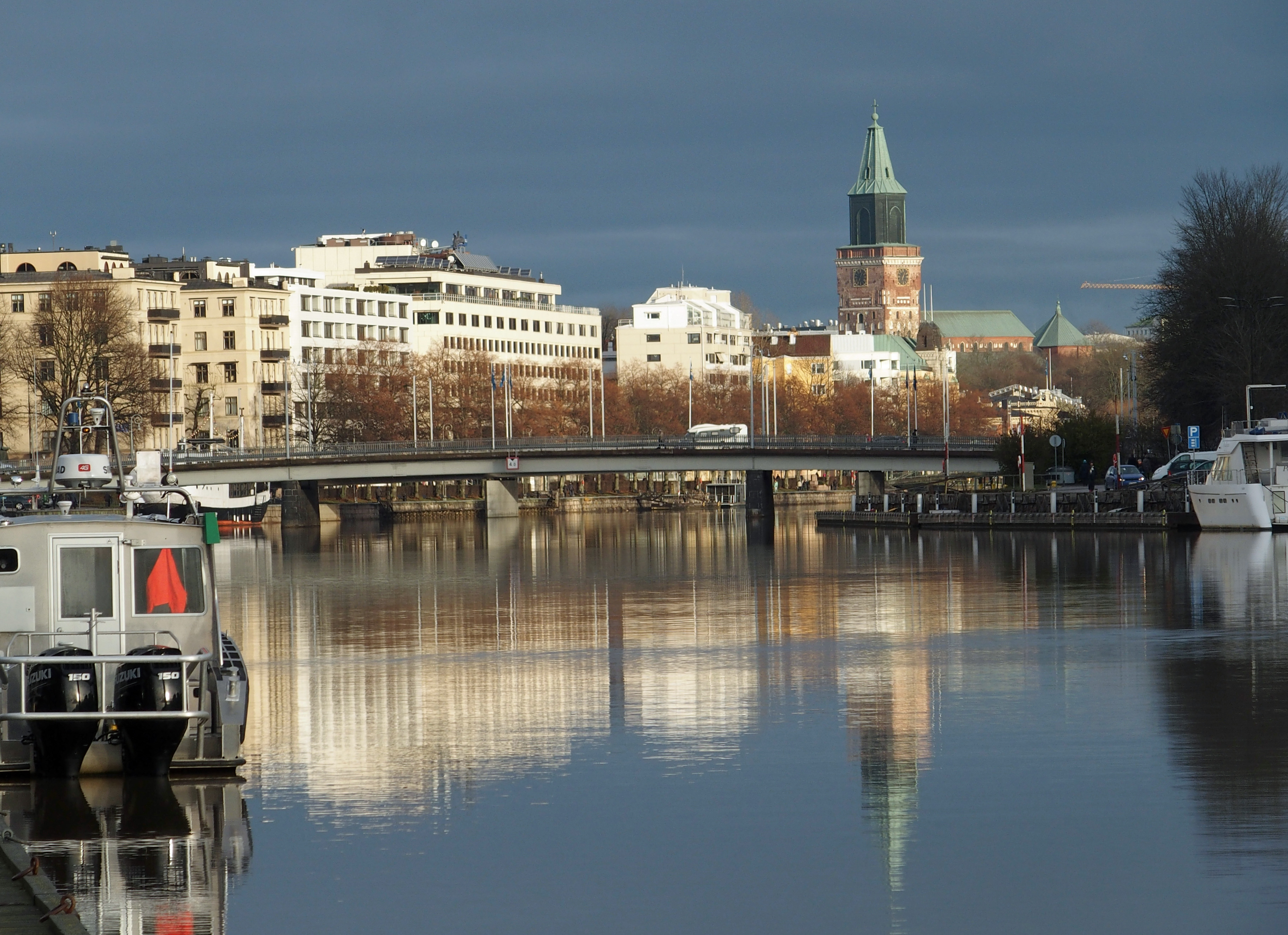
Turku is the only larger city in the region, and as the oldest and former main city of Finland, it dominates the list of man-made attractions. For art lovers, Turku Art Museum has a good collection of paintings from the "golden age" of Finnish art, in late 19th and early 20th century. You can also see more modern art in Turku: there, in a few other museums, and in a big assortment of galleries. The medieval Turku Castle and Turku Cathedral are the classics for domestic visitors. There are medieval churches all around, and also younger churches worth a visit. In Turku, Aboa Vetus et Ars Nova has an ongoing archaeologic display of cellars and streets of medieval Turku as found below the ground. Older findings are more difficult to see or understand, but there are lots of Bronze and Iron Age sites around the region. There are quite a few historic manors, with e.g. Louhisaari Manor (Villnäs slott) in Askainen open for the public in summer. The summer residence of the President of Finland, Kultaranta (Gullranda) is in Naantali, with guided tours of the garden. For traditional living and crafts, in addition to the Luostarivuori (Klosterbacken) handicraft museum in a Turku neighbourhood that survived the great fire of 1827 and the Kurala living museum village (with historic toys for children to use, and sheep to caress), also in Turku, there are small local history museums about everywhere, some with their own specialities. In the smaller museums there is seldom written information in English, so call ahead to get a guide confident in their English. Seafaring has been important, so in addition to Forum Marinum in Turku, with a full-rigged ship, a wooden barque, two Cold War-era warships and many smaller vessels, there are also local museums on the theme, such as the maritime house in Nagu, the one on traditional boats in Houtskär and the pulley museum in Iniö. There are tours to the lighthouses of Bengtskär, Isokari and Utö. The sceneries of the archipelago are much loved
體驗活動
The main distinguishing feature of the region is the Archipelago Sea. Getting in by ferry will allow you to see some of it and a cruise will allow you to get closer, but to really experience it you might want to charter a yacht or hire a sea kayak. If you don't have the skills, you can at least get on a manned afternoon yacht cruise, and you can get on guided kayak expeditions also, or just on an evening tour from Turku with an experienced guide. Fishing trips are arranged from many small resorts, often with some presentation of the archipelago nature at least on request. For hiking, there are shorter and longer trails. T
城市概覽改寫自 Wikipedia,旅遊指南來自Wikivoyage (CC BY-SA)。照片來自 Wikimedia Commons.