
Sambuca di Sicilia
Italy · Europe
關於Sambuca di Sicilia
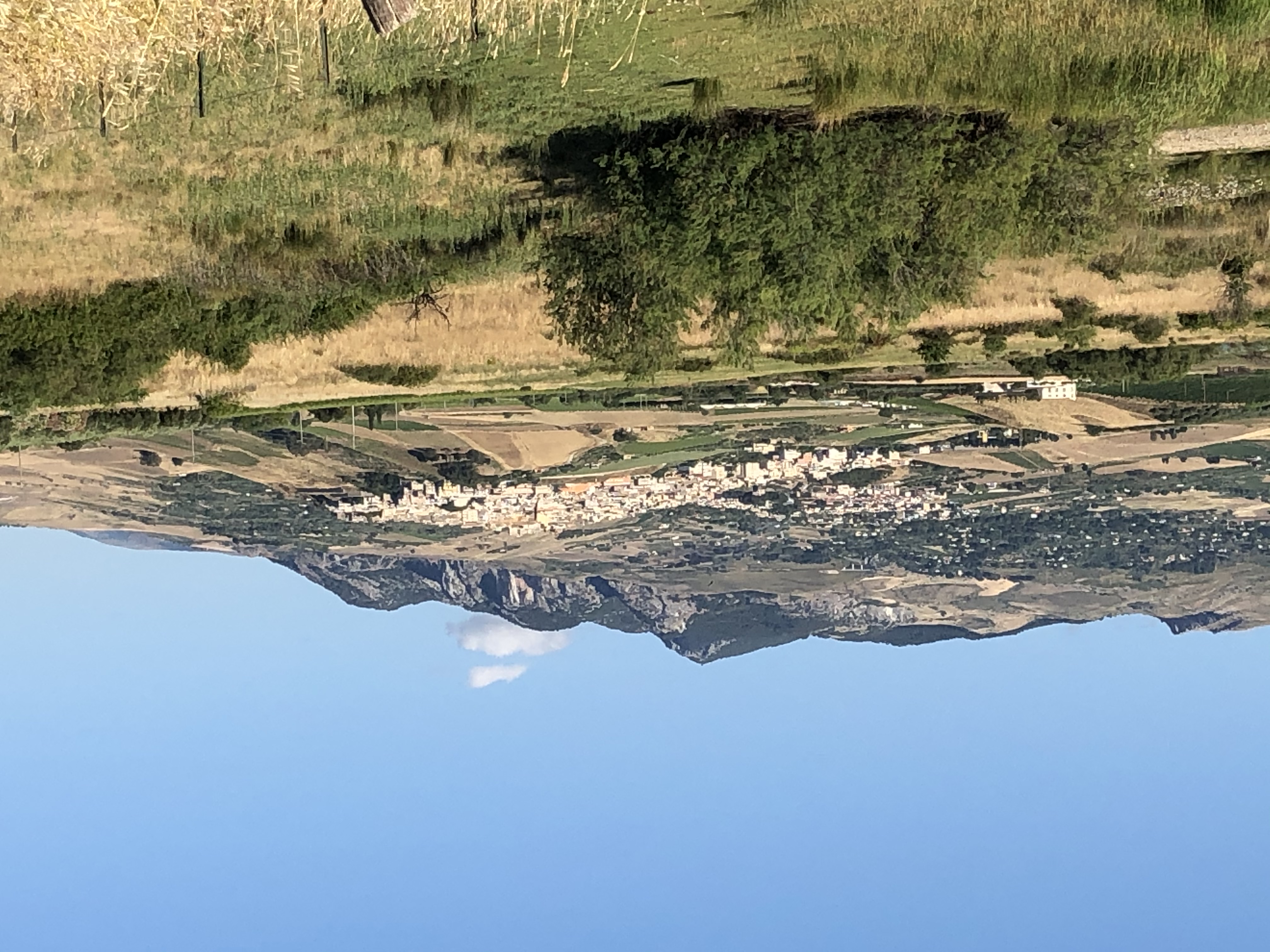
Sambuca di Sicilia is a hill town in the Agrigento province of Sicily, Italy. It is known for its Arab-Norman heritage, narrow winding alleys, and panoramic views over the Belice Valley. Officially named one of "The Most Beautiful Villages in Italy" (I Borghi più belli d’Italia), Sambuca offers a mix of historic architecture, quiet charm, and cultural depth.
Surrounded by vineyards and olive groves, Sambuca di Sicilia is also part of the Val di Mazara Wine Region, making it a good base for exploring rural Sicily, local wineries, and nearby archaeological sites.
Sambuca di Sicilia旅遊指南
城市概覽
History The origins of the name Sambuca are debated — some link it to the Greek stringed instrument sambuca, others to the elderberry plant (sambucus) once common in the area. Local writer Leonardo Sciascia interpreted it as deriving from As-Sambuqah, meaning "remote place". Until 1928, the town was officially known as Sambuca Zabut, in reference to the Arab emir Al Zabut, who is said to have founded the settlement around 830 AD after the Muslim conquest of Sicily. Under Arab rule, Sambuca (then Zabut) became a fortified town and cultural hub. It remained majority Muslim until the 13th century, when it was taken by Frederick II. From the 15th to 19th centuries, the town grew under feudal families such as the Barberini and Beccadelli, who oversaw the construction of churches, palaces, and civic buildings. Sambuca flourished culturally in the 19th century and was home to writers like Vincenzo Navarro. In recent decades, however, it experienced population decline. The town gained international attention in 2019 with its €1 house scheme to attract new residents — an initiative later featured in the HGTV series My Big Italian Adventure starring Lorraine Bracco.
Religious traditions The Feast of the Madonna dell’Udienza, celebrated every third Sunday in May, is Sambuca’s most important religious tradition. Originating in 1575 during a plague outbreak, the devotion centres on a statue of the Madonna believed to have healed the sick. The week-long festival features processions, music, open-house hospitality, and traditional sweets like Minne di Virgini. On the final night, the statue is carried through the town in a candlelit procession that continues into the early morning, blending sacred devotion with strong community spirit.
如何抵達
Sambuca di Sicilia is located in the province of Agrigento, about 70 km southwest of Palermo and 90 km northwest of Agrigento. The most convenient way to reach the town is by car. From Palermo, take the SS624 toward Sciacca and exit at Giuliana/Sambuca. From Agrigento, follow the SS115 and SP34 through Santa Margherita di Belice. The drive passes through scenic countryside and vineyards. There is no train station in Sambuca. The nearest stations are in Castelvetrano and Sciacca, but bus connections from those towns are limited. Regional buses operated by AST (Azienda Siciliana Trasporti) run between Sambuca and nearby towns such as Sciacca, Santa Margherita di Belice, and Menfi. Service is infrequent, so it's advisable to check schedules in advance or rent a car if you plan to explore the area.
當地交通
Sambuca’s historic centre is compact and best explored on foot. The town’s narrow alleys, especially in the Saracen Quarter (li Setti Vaneddi), are not accessible to vehicles but make for an atmospheric walking experience. There is free or low-cost parking around the edge of the historic centre, including near Piazza della Vittoria and Corso Umberto I. Local taxis are limited, and there is no local bus service within the town, so having your own transport is recommended if you plan to explore the surrounding countryside, vineyards, or nearby Lake Arancio.
必看景點
1 Barberia Maggio (Maggio’s Barbershop), Corso Umberto I, Sambuca di Sicilia. View from outside. A modest barbershop on Sambuca’s main street, Barberia Maggio is best known as a filming location in Briganti di Zabut, a 1997 film by director Pasquale Scimeca. The film, inspired by real stories of peasant rebellion and banditry in post-war Sambuca (formerly called Zabut), was shot in the Belìce Valley and starred both professional actors and local residents. Today, the site is a quiet but symbolic link to the town’s recent cinematic and social history. Free. 2 Terrazzo Belvedere (Calvario, Acropoli), Via Belvedere, Sambuca di Sicilia. Open access. Located at the highest point of the town on the former acropolis of Emir Al-Zabut’s fortress, the Terrazzo Belvedere offers sweeping views over the Belìce Valley and the Sican Mountains. Once the site of a medieval castle and later a calvary terrace used for religious rites, it was eventually transformed into a panoramic terrace. Today it’s one of Sambuca’s most atmospheric locations and a frequent venue for summer cultural events. The terrace is also a designated LIM (Luogo dell’Identità e della Memoria) due to its ties to Sicilian literary and cinematic storytelling, including its appearance in Pasquale Scimeca’s 1997 film Briganti di Zabut. Free. 3 Monte Adranone (Monte Adranone Archaeological Area), SP70, ~11 km northeast of Sambuca di Sicilia. Check locally or through the Archaeological Park of Selinunte and Cave di Cusa. Hilltop ruins of a fortified Elymian-Greek city dating back to the 6th century BC. The site includes remnants of ancient walls, residential areas, necropolis, and defensive structures, along with sweeping views of the Belìce Valley. Excavated since the 1960s, it offers a lesser-known but rewarding archaeological experience just outside town. Free.
體驗活動
1 Visit Le Purrere (Underground caves and wine archive), Access via Piazza Saraceni, Sambuca di Sicilia. Check locally or through Strade del Vino Terre Sicane. Beneath the Saracen Quarter of Sambuca lies a network of medieval tuff quarries called purrere, once used to extract stone for local buildings. Rediscovered in 2015, these underground chambers — located 12 m below street level — were later repurposed as cellars, waste pits, and more recently, as the Enoteca dei Rossi: a wine archive established in 2016 by the Strade del Vino delle Terre Sicane. With natural humidity and year-round temperatures of 11–12 °C, the caves offer a unique setting for wine preservation, storytelling, and occasional tastings. May vary by event or tour.
購物
Sambuca di Sicilia is known for its artisanal food products and traditional crafts. Local bakeries often sell Minni di Virgini, the town’s signature pastry filled with sweet milk cream and pumpkin jam — a must-try souvenir if visiting in spring or during the Madonna dell’Udienza festival. Around the historic centre, you’ll also find small shops offering handmade ceramics, olive oil from nearby groves, and locally produced wine, particularly red varietals from the Terre Sicane area.
美食
Sambuca di Sicilia offers a cuisine that reflects both its rural traditions and its Arab-influenced heritage. Surrounded by olive groves and farmland, the town is known for high-quality extra virgin olive oil, often produced on small family estates in the hills around the village. Local cheeses, seasonal vegetables, and fresh-baked breads feature in many homes and restaurants, especially in rustic countryside dishes. The town's most iconic dessert is the Minna di Virgini — a shortcrust pastry filled with milk cream, pumpkin jam, and chocolate, scented with cinnamon and clove. Created in the 18th century by a local nun, the sweet has earned Denominazione Comunale status and is celebrated each May during the Minna Fest. If visiting in August, the Saracen Festival offers a unique culinary and cultur
城市概覽改寫自 Wikipedia,旅遊指南來自Wikivoyage (CC BY-SA)。照片來自 Wikimedia Commons.