
Pustec
Albania · Europe
關於Pustec
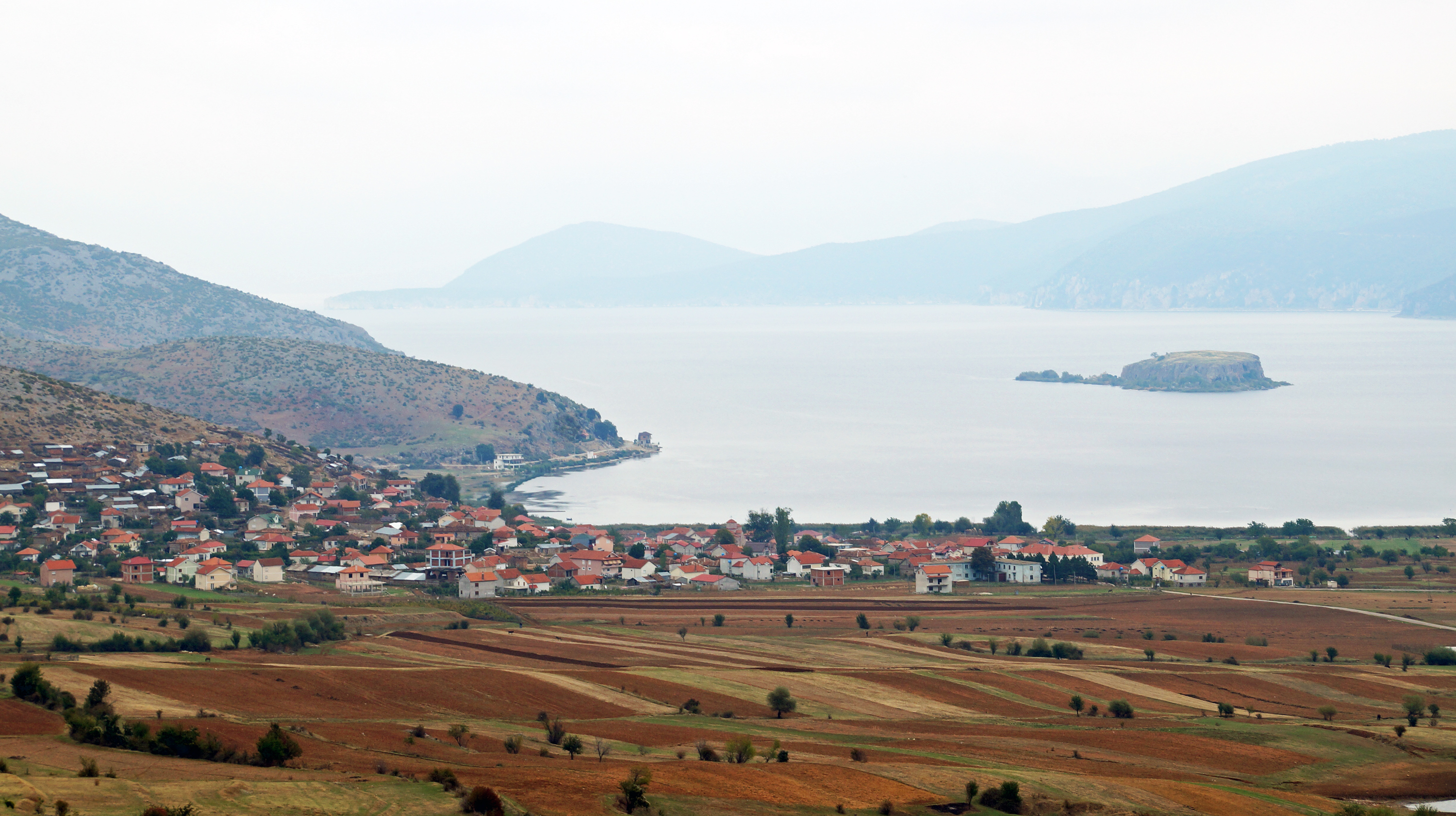
Pustec (Macedonian: Пустец) is one of the 61 municipalities of Albania, within Korçë County in the southeastern fringes of the country. It contains all of Albania's share of the Great Prespa Lake, as well as most of Prespa National Park which extends southward to Albania's portion of the Small Prespa Lake in Devoll Municipality. Home to an entirely ethnic Macedonian population and the only place in Albania where the ethnic group enjoys full minority rights, Pustec is considered the centre of the Macedonian minority of Albania. It encompasses much of a region known amongst Macedonians as "Mala Prespa", bordered by Greece to the east and by North Macedonia to the north and northeast.
Pustec旅遊指南
城市概覽
The Municipality of Pustec is a rather isolated place within Albania. Its villages sit between Lake Prespa to the east and the mountain of Galičica to the west which largely cuts it off from the rest of the country. In fact, only one road connects it to the rest of Albania in the south. That same road connects Pustec to North Macedonia's Prespa region in the north. Therefore, many of the area's visitors come from that country and many of Pustec's residents head to North Macedonia for various needs. Pustec also shares land and water borders with Greece but there are no means of crossing to that country from Pustec.
People Pustec consists of nine villages including (from north to south): Tuminec, Gorna Gorica, Dolna Gorica, Glloboçeni, Shulin, Pustec, Leska, Zrnovsko, and Cerje. Note that the municipality is named after a village located within the municipality. Most of these villages' names were changed to different Albanianised names in the 1970s but the original Macedonian names became official again in 2013. All of these villages, with the exception of Cerje, are located on or near Lake Prespa. Cerje is at the southeastern end of the municipality just inside the border with Greece. According to the 2011 census, virtually all of the municipality's 3,290 residents are ethnic Macedonians and Orthodox Christians.
如何抵達
By car SH79 is the highway running roughly parallel to Albania's portion of Lake Prespa. Getting into Pustec Municipality via car requires getting onto this highway either from the south or from North Macedonia in the north; SH79 is the only road linking Pustec to adjacent areas. Despite sharing a land border with Greece, there is no border crossing with that country within Pustec.
From the south, SH79 splits off from SH3/E86 at Zëmblak. If coming from Korçë, head northwest along this highway until reaching SH79. If coming from Bilisht, head northeast along it until getting to SH79. Once the path starts going uphill, you're entering Pustec Municipality. Leska will be the first village reached. Head east to get to Pustec (or continue further south from there to get to Zrnovsko or Cerje) or continue north to reach the rest of the villages in Pustec. There is a border crossing between Albania and North Macedonia at the Albanian village of Gorna Gorica and the Macedonian village of Stenje. R1307 is the road running on the Macedonian side up to the border. After passing Gorna Gorica, head east for Tuminec or continue south for the rest of Pustec Municipality.
By taxi Taxis can be hired from the major towns in the region like Korçë and Bilisht, or from further beyond for a higher price. If coming from North Macedonia via taxi, know that not every cab will have the documents necessary to cross into Albania with a vehicle so ask in advance. There is an informal taxi service running from Pustec to Resen Macedonia and Ohrid Macedonia. They arrive in Pustec Center between 5:00 and 5:30AM, and then service all the communities going north through the border at Stenje. They likely return by noon as well. The route goes past Ohrid's main bus station and into the city center, with a stop where the Ohrid-Skopje bus departs on Bul. Turisticka. The trip takes a little less than 2 hours.
By bus There's one bus that serves Pustec from Korce, it leaves Pustec at 6:30AM and retur
當地交通
By car If going to multiple areas within the rural Pustec Municipality, getting around by car is the most convenient option. Sometimes just getting from a village to its own beach at the lakeshore can be quite the hike, especially if during the day in summertime.
By foot It is not easy getting around Pustec by walking but it can be done amongst certain villages. A walk from the Tuminec in the north to Cerje in the very south is over 6 hours, but walking from closer villages such as from Leska to Pustec is a 20-minute walk. If simply staying in the village of Pustec or nearby, Maligrad island and most of the cave churches can be reached via foot or boat.
必看景點
Entirely within Prespa National Park, Pustec Municipality also contains a number of unique cultural landmarks. This includes the island of Maligrad and the multiple Byzantine and post-Byzantine cave churches dotting the area.
1 Prespa National Park (Parku Kombëtar i Prespes; Национален парк Преспа). One of Albania's national parks, Prespa, is mostly located within Pustec Municipality. The park covers 27,750 hectares (68,570 acres), consisting of Albania's share of the Prespa region. Established in 1999, it aims to conserve the wildlife of Prespa including rare species of bird like the white pelican, the white stork, and the Dalmatian pelican. Almost half of the area of the national park is forest. (updated Sep 2016) 2 Maligrad (Мал Град). Maligrad is the second major island in Lake Prespa, along with the larger Golem Grad on the Macedonian side. It has an area of five hectares (12 acres) containing a large cliff, caves, trees, and an area of sand. Maligrad is close to the shore, near Shulin to the northwest and Pustec to the southwest. (updated Sep 2016) 3 Church of Saint Mary (Kisha e Shën Mërisë; Црква „Св. Богородица“). This Orthodox cave church was built in 1369 by Serbian nobleman Kesar Novak, though there is an older preserved inscription in the apse of the church dating from 1345. A fresco on the interior depicts Novak's family. The western facade was painted in 1607. The church is built within a cave overlooking the lake. (updated Sep 2016) 4 Saint Michael the Archangel Square (Sheshi Shën Mëhilli; Плоштад Св. Архангел Михаил) (Pustec). Pustec's central square, which is under reconstruction, surrounds the large Church of Saint Michael the Archangel, an attractive church built in the early 2000s on the place of an older church built in 1754 but destroyed in a fire in 1865. It was built of stone and brick and has a red roof. (updated Sep 2016) 5 Church of Saint Nicholas (Kisha e Shën Nikolla; Црква „Св. Никола“) (Pustec). Half of this church, north of the vi
體驗活動
Beaches Multiple villages in Pustec Municipality have beaches at their lakeshores. The villages of Glloboçeni, Pustec, Tuminec, and Zrnovsko have sandy and rocky beaches. Dolna Gorica's beach is sandy.
Events Day of Wine (Ден на виното) (Dolna Gorica). This annual event is held in December in Dolna Gorica. It involves a contest for the best wine. (updated Sep 2016)
美食
Panorama Restaurant north of Pustec center has grilled meat and fish dinners. They price the meat/fish by the kilo, for meat dishes half a kilo was a perfect larger dinner. Very reasonable prices, 650 lek for a beer and a 1/2-kilo rib dinner with a side of fries gratis.
飲品與夜生活
In the center of Pustec there is a cafe/market on the main road just west of the church, and a club that faces the church. The market has all the common Albanian products from Korce like drinks and coffee, and frozen meat, at local Albanian prices. Locals shift from Albanian to Macedonian effortlessly. Limited vegetables are available. There's another c
城市概覽改寫自 Wikipedia,旅遊指南來自Wikivoyage (CC BY-SA)。照片來自 Wikimedia Commons.