
Port of Rotterdam
Netherlands · Other
關於Port of Rotterdam
The Port of Rotterdam is a district in Rotterdam, making up a large part of the southern banks of the River Meuse. These harbours are all post-war additions to the city, mostly replacing this historical harbours on the northern banks. These harbours are the Botlek, Europoort, Eerste- and Tweede Maasvlakte (literally: First and Second Meuse flat), as well as the harbours surrounding the town of Pernis.
Port of Rotterdam旅遊指南
城市概覽
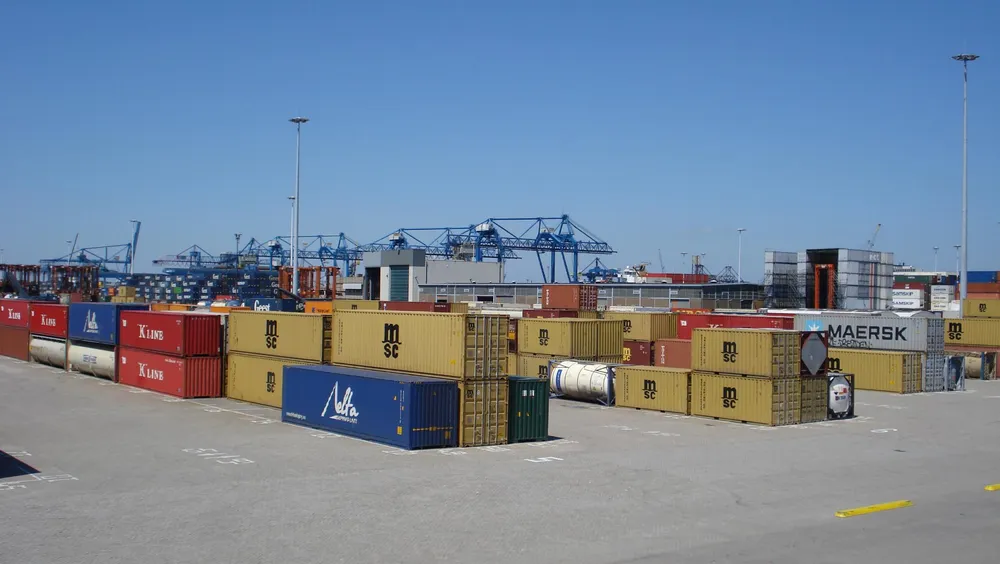
The Port of Rotterdam is the largest harbour in all of Europe, seeing some 470 million tonnes of freight and 30,000 container ships on an annual basis. It is made up of six harbours (Waalhaven, Eemhaven, Pernis, Botlek, Europoort and Maasvlakte) that over time formed the massive industrial complex that is the modern-day harbour. Historically, the harbours started much closer to the city, and parts of the old harbour remain in the modern-day layout of the city centre. From 1872 onwards, these harbours started expanding into the modern-day district of Feijenoord. Both regions have lost most of their function as a harbour nowadays, which became possible through the annexation of Delfshaven, which opened up the northern banks of the Meuse for harbour expansion. Delfshaven too is increasingly being repurposed for housing in modern times. Post-war, the harbours moved into the Botlek. This was then further expanded with the development of the Europoort in 1958, following a massive scale-increase in oiltankers caused by the blocking of the Suez-canal two years prior. The Europoort as a result has many refineries and oil-storage facilities from companies the like of Shell, BP and Exxon. The most recent developments were the (Eerste) Maasvlakte and Tweede Maasvlakte. This was a compromise that prevented the Hoeksche Waard, the island between Spijkenisse and Dordrecht, from being turned into a harbour site as well. Both Maasvlaktes were built into the North Sea, having been taken into usage in 1973 and 2013 respectively. The harbours offer few amenities to visitors, and are more oriented to truckers. That doesn't, however, make the district completely useless for tourism or sightseeing.
如何抵達
By car The Rotterdam harbours can best be reached by car. Running the length of the southern bank of the Meuse is the A15/N15, which connects as far east as Nijmegen. This highway meets the N57 connecting to Zeeland from Rozenburg, and the A4 connecting to The Hague, Leiden and Amsterdam near Pernis. Pernis itself has a dedicated exit on the A4/A15 (17a, Pernis). Rozenburg's dedicated exits are numbers 13 and 14 (Rozenburg, Rozenburg Centrum). Near these exits, a tunnel is under construction (as of 2022) connecting the south bank with Maassluis and Vlaardingen on the north bank of the river. Once constructed, this connection will be quicker when coming from the north.
By public transit Though the harbours are covered in railways, these are for goods only. For passengers, there is only one connection to the Rotterdam Metro at 1 Pernis C . An indirect connection to the metro for Rozenburg exists in Maassluis: 2 Maassluis Centrum B . From here, head to the ferry connection south of the station. This ferry connects directly to Rozenburg. The nearest bus stop to the ferry is 3 Rozenburg, Grote Stern 105 . The connecting bus service, 105, connects the town with Spijkenisse in the east and Brielle and Hellevoetsluis in the southwest. Tweede Maasvlakte can be reached with the Hoeksveer Ferry which takes you from Hoek van Holland Haven to FutureLand in about 45 minutes. The ferry is suitable for pedestrians and bicycles only. No other vehicles including mopeds and scooters are allowed. Sails from April to September, 9-18h. Tickets sold on board, debit cards accepted. A large part of the harbours are not accessible by public transit since this part of the city is not tailored to tourists, so it is advisable to either rent a car for your visit or, should you feel adventurous, to rent a bike.
必看景點
1 FutureLand (Port of Rotterdam Visitor Centre), Europaweg 902 (Harbour 8360), ☏ +31 102 522 520, [email protected]. Tu-F 10:00 - 17:00; Su 11:00 - 17:00. Museum of the port of Rotterdam, specifically focussing on the recent (2013) addition of the Tweede Maasvlakte. The museum features exhibits the like of an interactive maquette, a film hall, as well as several interactive exhibits. The museum organises sightseeing of the "Gateway to Europe" by ferry and bus. (updated Oct 2021) FutureLand Express (Guided bus tour). Tour of the Port of Rotterdam, specifically the Tweede Maasvlakte. The guide speaks Dutch, but audiotours and factsheets are available in English and German as well. The latter is provided on the bus, the former is done through the FutureLand app. If you plan to follow the audiotour, it is requested that you bring your own headphones to listen along. If you or someone accompanying you has limited mobility, it is recommended that you call in advance to see whether the bus tour is possible. €8.95, €6.95 for children age 3-11, under 2 free; 40% off if combined with the FutureLand Ferry on the same day. (updated Oct 2021) FutureLand Ferry (Guided ferry tour). Similar to the bus tour listed above, the ferry takes you across the Tweede Maasvlakte, or both the Eerste and Tweede Maasvlakte. The guide gives information in Dutch, but audiotours and factsheets are available in English and German. The ferries are wheelchair-accessible and dock right behind the visitor centre. €10.95 (Tweede Maasvlakte only) or €13.95 (Maasvlakte 1 & 2). Children age 3-11: €8.95; Under the age of two join free of cost. (updated Oct 2021) 2 Rozenburg Wind Wall, Neckarweg (A15, exit 12, "Brielle"). A 1.6 kilometres (0.99 mi) long concrete wall, testament to the fact that when given an element, the Dutch will try to conquer it. After the water was conquered, the wind was next. The Wind Wall exists to remove the wind's influence on large cargo ships navigating the Calandkanaal, especi
體驗活動
The World Port Days, a weekend full of activities centred around the large harbour of Rotterdam taking place yearly in early September. 1 Maasvlaktestrand (Meuseflat Beach), Maasvlakteboulevard 33-51 (N15, exit 5, "Havens 8800-9000"). A generally quiet beach on the south end of the Tweede Maasvlakte. A dedicated nudist beach is located just north of the P1 parking. (updated Oct 2021) Recreational sailing and boating. If you own a boat yourself, you might well want to explore the 42 kilometres (26 mi) long port in your own vessel. Naturally, this is possible. The Port of Rotterdam offers you the necessary information needed when sailing through the Riverguide app and the linked website. The most essential rules to follow are to keep to the starboard rank, listen to the VHF and report if you are requested to do so. Keep a good view of your surroundings, including what's behind you, and navigate your crossings as straight as possible, keeping a clear view of the port entrance. (updated Oct 2021) 2 Golfclub Kleiburg, Krabbeweg 9, Brielle, ☏ +31 181 417 336. Only accessible to golfers that are a member of the Royal Dutch Golfing Federation, this golf course is located on a peninsula between the Brielse Meer and Hartelkanaal. There are some local rules to follow, which are best inquired about when signing up to play. 18-hole: €55 (+€10 for weekends and holidays); 9-hole: €40 (+€5 for weekends and holidays); ages 21 and below always pay €10. (updated Oct 20
城市概覽改寫自 Wikipedia,旅遊指南來自Wikivoyage (CC BY-SA)。照片來自 Wikimedia Commons.