Western Sydney Airport Opens, Expanding Greater Sydney's Aviation Capacity
Western Sydney International (Nancy‑Bird Walton) Airport – identified by the IATA code WSI – began full passenger operations on 25 October 2026, marking th
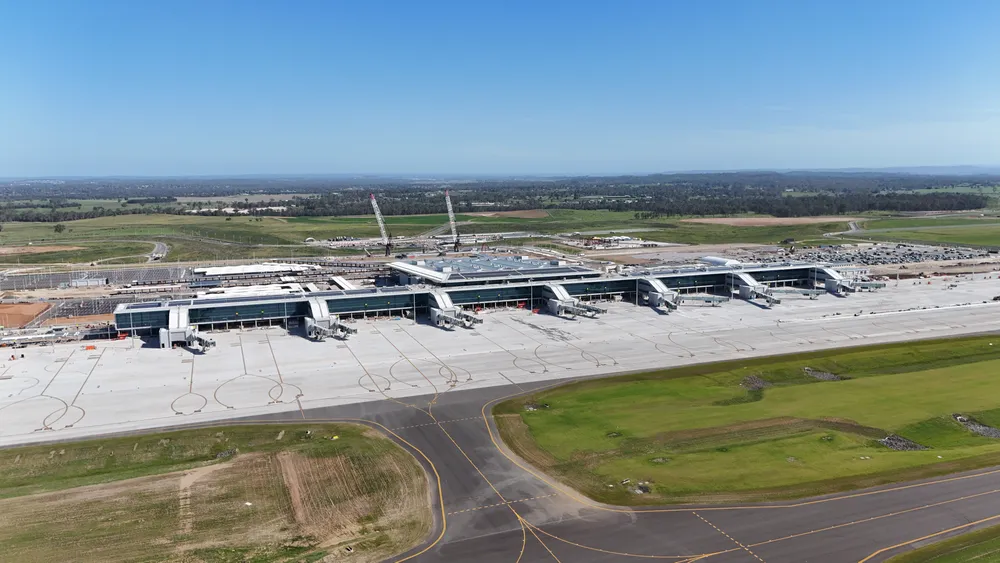
Western Sydney International (Nancy‑Bird Walton) Airport – identified by the IATA code WSI – began full passenger operations on 25 October 2026, marking the first time the Greater Sydney area has a second commercial airport. The new facility, located in the towns of Luddenham and Badgerys Creek about 44 km west of Sydney’s central business district, opened its single integrated terminal and 3.7‑km runway to domestic and international traffic in a ceremony attended by federal and state officials. The airport’s opening follows the launch of its first cargo flights on 26 July 2026 and is the culmination of a decade‑long planning process that started with the federal government’s designation of the site on 15 April 2014.
Sydney Airport, the nation’s busiest aviation hub, has long faced capacity constraints imposed by a legislated curfew and flight‑cap rules that limit the number of take‑offs and landings each day. The curfew forces airlines to schedule most operations during daylight hours, creating bottlenecks and reducing the potential for long‑haul international services. Western Sydney Airport was conceived to relieve this pressure by offering 24‑hour, curfew‑free operations that can accommodate larger aircraft and higher flight volumes. The new airport’s design also incorporates modern passenger‑handling technology and a flexible layout that can grow with demand, while the surrounding development of the Western Sydney Aerotropolis aims to create a high‑density, mixed‑use business and residential precinct that will generate thousands of jobs.
WSA Co Limited, a wholly government‑owned entity, operates the airport. One of its most striking features is the absence of an on‑site air traffic control tower; instead, the facility relies on a remote‑controlled system that has been tested in other Australian airports. This approach reflects a broader trend toward cost‑effective, technology‑driven air traffic management that can be scaled up as traffic increases. The first stage of construction, now complete, includes the runway, the terminal building, and basic support infrastructure. Future phases are planned to add a second runway, a dedicated cargo hub, and additional passenger facilities, ensuring the airport can evolve into a major international gateway.
The economic ripple effects of the airport are already visible. Construction of the 1.5‑million‑square‑meter terminal employed over 2,000 workers, and the project has attracted significant investment in adjacent industrial parks, logistics centers, and residential developments. The Australian Bureau of Statistics projects that the airport will support up to 30,000 direct jobs and stimulate a further 50,000 indirect employment opportunities across the region. Moreover, the airport’s proximity to the Asia‑Pacific markets positions Sydney to capture a larger share of trans‑pacific passenger and freight traffic, potentially boosting tourism and trade flows to and from Australia.
For airlines, the new hub offers a strategic alternative to the congested Sydney Airport. Qantas, Virgin Australia, and low‑cost carriers can now schedule long‑haul flights to Asia, the Middle East, and the United States without the constraints of a curfew, and with lower operating costs. The airport’s ability to handle larger aircraft also opens the door to more direct flights from regional Australian cities, enhancing connectivity across the country. Cargo operators will benefit from the dedicated freight terminal, which is already handling commercial cargo and is designed to accommodate future increases in trade volume.
Beyond the immediate Australian market, the airport’s opening strengthens the country’s position within the broader Asia‑Pacific aviation network. As trade and travel flows continue to surge, a second, curfew‑free gateway improves Australia’s resilience against disruptions in other major hubs. For countries in the region, including Taiwan, the expansion enhances connectivity options, potentially easing overland supply chain bottlenecks and offering alternative routes for both passenger travel and freight. In a world where supply chains are increasingly sensitive to geopolitical and environmental shocks, the Western Sydney International Airport represents a strategic asset that can support regional stability and economic growth.
Produced by our editorial team, with AI assistance in editing.