Violent anti-government protests erupt in Tirana amid deep economic grievances
Anti-government protests erupted in the Albanian capital of Tirana on Monday, turning violent as demonstrators clashed with law enforcement and targeted ke
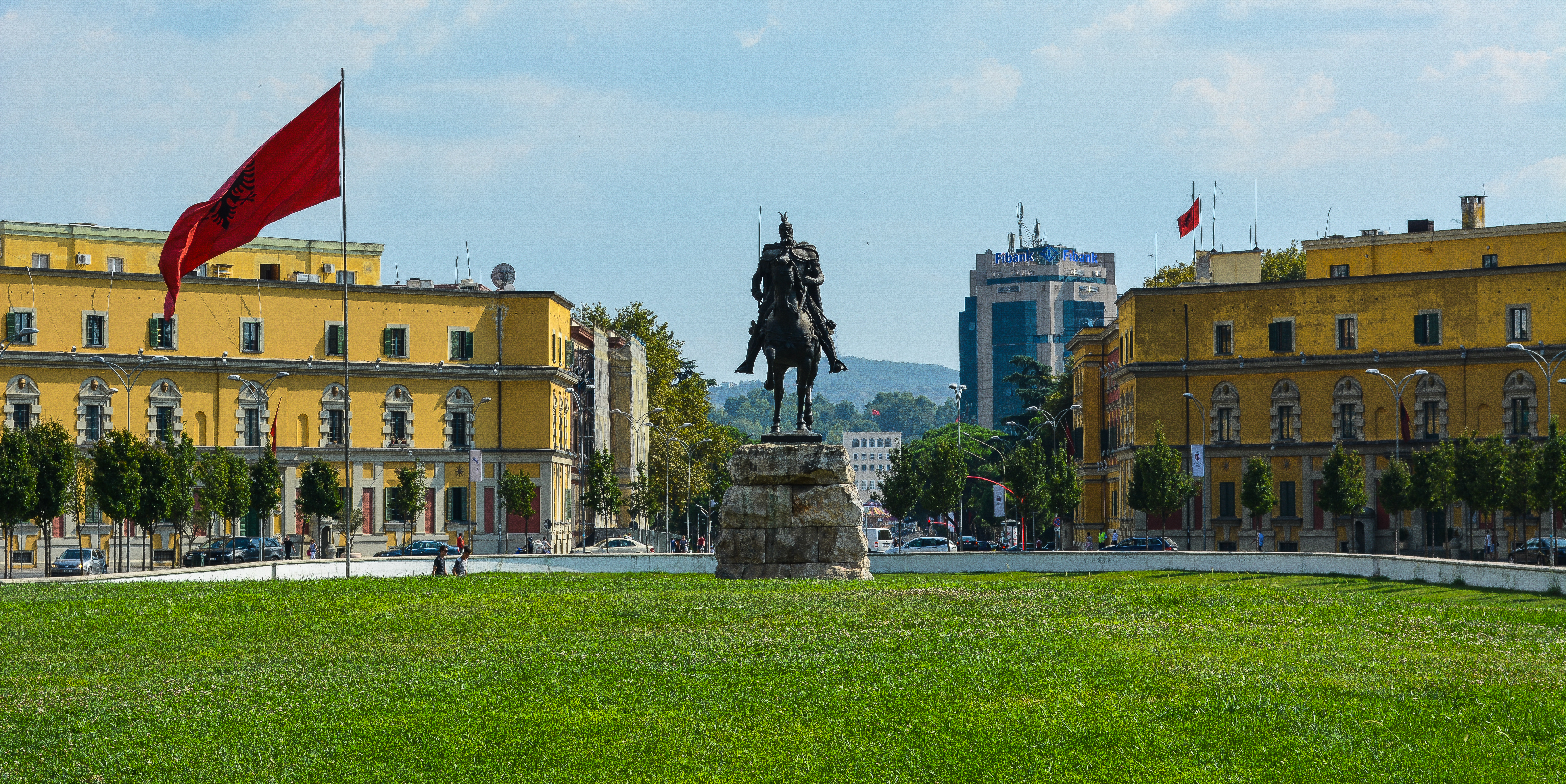
Anti-government protests erupted in the Albanian capital of Tirana on Monday, turning violent as demonstrators clashed with law enforcement and targeted key state structures. Crowds gathered in the city center to voice widespread economic grievances and allegations of official corruption, directing their anger at several government buildings. Police deployed crowd-control measures as demonstrators hurled objects and attempted to breach official perimeters, marking a sharp escalation in domestic political tensions within the Western Balkan nation.
The unrest reflects deeply rooted political polarization in Albania, where the ruling administration and various opposition factions have long been locked in bitter disputes over governance, institutional independence, and the rule of law. Opposition organizers have frequently accused the central government of failing to curb inflation, address economic stagnation, and stem the emigration of young professionals seeking better opportunities abroad. Conversely, governing officials have condemned the violence as a destructive disruption to public order, maintaining that political grievances should be pursued strictly through democratic channels and institutional reform rather than civil unrest.
As the political and economic heart of the country, Tirana has historically served as the epicenter of Albania's major political showdowns. Founded as a modest Ottoman-era settlement in 1614 and designated as the nation's capital following the 1912 Declaration of Independence, the city has undergone rapid transformation throughout the post-communist era. Today recognized as a gamma-world-city and the country’s primary financial hub, Tirana concentrates much of Albania's economic activity, making it a focal point for public discontent when national policies fall short of popular expectations.
The current wave of demonstrations carries broader implications for Albania’s ongoing trajectory toward European integration. As an official candidate for membership in the European Union, Tirana faces strict international scrutiny regarding its commitment to democratic stability, judicial integrity, and the peaceful resolution of political conflict. Sustained civil unrest and institutional volatility threaten to complicate the nation's reform timeline, potentially signaling to international partners that the domestic political climate remains vulnerable to polarization and sudden security challenges.
Produced by our editorial team, with AI assistance in editing.