US Measles Cases Reach 25-Year High with Over 2,000 Cases in Single Year, Vaccine Rates in Jeopardy
According to recent data released by the US Centers for Disease Control and Prevention (CDC), a total of 2,318 measles cases have been reported across the
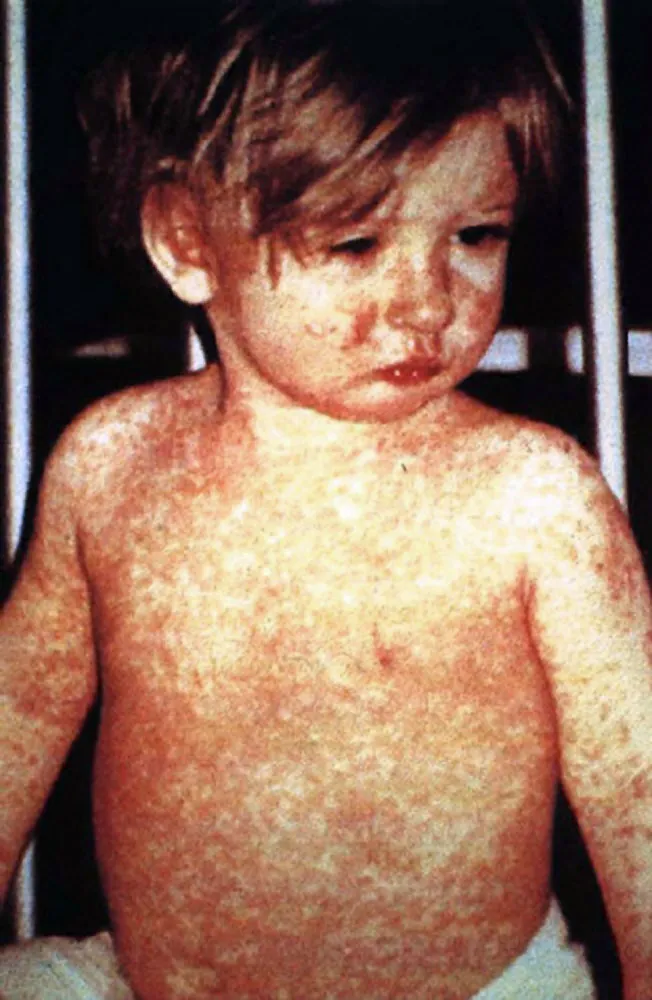
According to recent data released by the US Centers for Disease Control and Prevention (CDC), a total of 2,318 measles cases have been reported across the country within the first seven months of this year, setting a new record for the highest annual incidence since 1991. The rapid surge in this outbreak has underscored the challenges it poses to public health systems and highlighted concerns over declining vaccination rates in some regions.
Measles is a highly contagious viral disease transmitted through the air, primarily through respiratory droplets expelled when an infected individual coughs or sneezes, as well as direct contact with their nasal and oral secretions. After infection, patients typically exhibit symptoms 10 to 12 days later, which may include high fever (often exceeding 40°C), cough, runny nose, and conjunctivitis. As the disease progresses, characteristic Koplik spots appear in the mouth, followed by widespread rash that spreads from the face downwards within three to five days.
Although measles is a disease that can be effectively prevented through vaccination, its complications are not to be taken lightly. As measles virus induces temporary immune suppression, patients often suffer from common complications such as diarrhea, otitis media, and pneumonia, while severe cases can lead to encephalitis, seizures, or permanent blindness. Public health experts attribute the recent surge in measles cases to various factors, including the spread of misinformation about vaccinations, unequal distribution of medical resources, or interruptions in routine vaccination programs during the pandemic, resulting in gaps in herd immunity.
In light of the resurgence, US health authorities are actively urging the public to complete MMR (measles, mumps, and rubella) vaccination, particularly targeting children and unvaccinated populations. Medical institutions have also strengthened their screening and isolation measures for patients with fever and rashes, aiming to break the transmission chain and prevent further outbreaks in high-risk settings such as schools and hospitals.
For Taiwan, the reopening of international borders and frequent travel between countries raises the risk of imported infectious diseases. The resurgence of measles in the United States, a popular destination for Taiwanese business and tourism, serves as a reminder to Taiwan's health authorities and the public to remain vigilant. This also serves as a warning to maintain high vaccination coverage rates, uphold regular vaccination policies for children, and maintain a high level of alertness in the medical system to combat highly contagious diseases.
Produced by our editorial team, with AI assistance in editing.