
US Consulate in Erbil Targeted by Drone Strike; Security Forces Strengthen Defenses
A drone attack was reported in Erbil, the capital of the Kurdistan Region of Iraq, on Monday local time. According to local security officials and U.S. sou
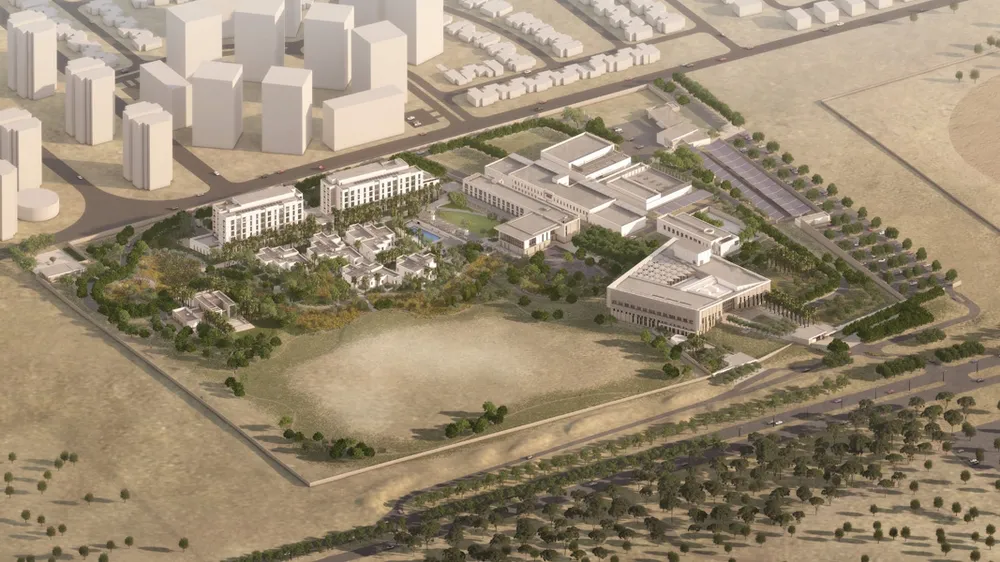
A drone attack was reported in Erbil, the capital of the Kurdistan Region of Iraq, on Monday local time. According to local security officials and U.S. sources, three unidentified drones were successfully shot down near the area housing the U.S. Consulate General in Erbil. While there have been no reports of casualties or damage to facilities, the incident has triggered high levels of local tension, once again bringing the situation along the Iraq-U.S. border and the potential threats to U.S. diplomatic missions in the Middle East into the spotlight.
The U.S. Consulate General in Erbil, located in the Kurdistan Autonomous Region, is not only one of the two major U.S. diplomatic outposts in Iraq but is also considered a vital strategic hub for the U.S. in the Middle East due to its multifunctional capacity, which includes political, economic, and consular functions, as well as a regional office for the U.S. Agency for International Development (USAID). Widely recognized as one of the largest U.S. consulate general facilities in the world, it plays a key role in coordinating affairs across the four provinces of Kurdistan and holds an extremely sensitive status. In recent years, as pro-Iranian militias in Iraq have become more active, U.S. military bases and diplomatic facilities have frequently been targeted by drones or rockets. This attack on Erbil, long considered a relatively stable region, indicates that the scope of security threats continues to expand.
No organization has yet claimed responsibility for the incident. However, armed groups in Iraq have long carried out attacks on U.S. facilities, typically citing opposition to the foreign military presence as their justification. Such attacks are often viewed as part of regional geopolitical maneuvering, particularly the proxy contest between Iran and the United States within Iraq. Although the Kurdistan Regional Government (KRG) has consistently strived to maintain regional stability, the volatility in the Middle East has turned these irregular drone attacks into the most difficult "asymmetric threats" for U.S. diplomatic missions to defend against. U.S. forces and local security units have since strengthened air defense deployments and patrols around the consulate to prevent any potential follow-up attacks of greater scale.
For Taiwan, this incident underscores that the security resilience of diplomatic institutions has become a primary concern for foreign missions worldwide amidst global geopolitical conflicts. Although Taiwan does not maintain an office in Iraq, as a core player in the global semiconductor supply chain, Taiwan remains highly attentive to the stability of Middle Eastern geopolitics, as any escalation in regional conflict could trigger fluctuations in international oil prices and pose risks to shipping lanes. Furthermore, by observing how the U.S. deploys air defense identification and interception technologies around its consulate, Taiwan can derive valuable insights regarding "asymmetric warfare" and the "protection of critical infrastructure." This serves as a significant case study for Taiwan, which is currently dedicated to strengthening its overall national defense resilience, in understanding current international security challenges.
Produced by our editorial team, with AI assistance in editing.