US Airstrike on Iranian Wedding Kills Five, Injures 63 Civilians
An American airstrike on a residential compound in Kuhestak, Hormozgan province, on Saturday killed five civilians and wounded 63 more, Iranian state media
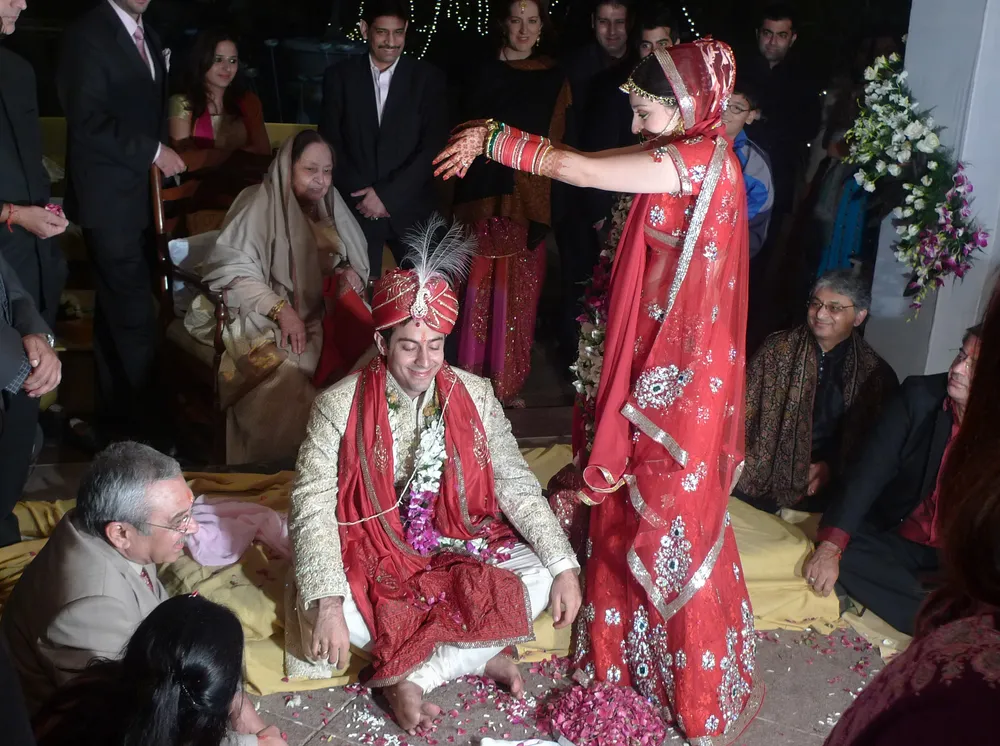
An American airstrike on a residential compound in Kuhestak, Hormozgan province, on Saturday killed five civilians and wounded 63 more, Iranian state media reported. The strike, which targeted what the United States described as Iranian military facilities, hit a house where a wedding celebration was taking place, turning a traditionally festive gathering into a scene of tragedy.
The United States has said the operation was part of a broader campaign to degrade Iranian command‑and‑control capabilities that it says threaten U.S. forces and allies in the region. According to the Pentagon, the target was a “military command post” linked to the Islamic Revolutionary Guard Corps. U.S. officials have not provided detailed coordinates but assert that the strike was carried out with precision weapons and was intended to minimize civilian harm. The incident occurs amid heightened U.S.–Iran tensions following recent Iranian missile launches and a series of reciprocal sanctions that have strained diplomatic channels.
Iranian authorities condemned the attack as an unlawful violation of sovereignty and an assault on civilians. Tehran’s foreign ministry summoned the U.S. chargé d’affaires to lodge a formal protest and warned of “proportionate” retaliation. Iranian officials emphasized the cultural significance of weddings, noting that such events are central to community life and are traditionally marked by music, shared meals, and the exchange of vows. They have called for an international investigation, asserting that the strike demonstrates a disregard for international humanitarian law.
The incident underscores the broader volatility of the Persian Gulf region, where the Strait of Hormuz—just a short distance from Hormozgan province—remains a critical chokepoint for global oil shipments. Any escalation between Washington and Tehran risks disrupting maritime traffic that supplies a sizable share of the world’s petroleum, with knock‑on effects for energy‑dependent economies. The civilian nature of the casualties, occurring at a wedding—a ceremony that in Iranian culture is a public affirmation of family and community ties—adds a potent symbolic dimension to the episode, heightening public outrage and complicating diplomatic overtures.
While the event does not involve Taiwan directly, the potential for wider instability in the Gulf could reverberate through global supply chains that underpin Taiwan’s high‑tech manufacturing sector. A spike in oil prices or disruptions to shipping lanes could raise production costs for semiconductor fabs that rely on imported energy and raw materials. Moreover, the incident illustrates how localized conflicts can cascade into broader security dilemmas, prompting regional powers and distant economies alike to reassess risk assessments and contingency planning for trade and energy security.
Produced by our editorial team, with AI assistance in editing.