
Unidentified Drones Strike and Sink Commercial Vessels Off Bulgaria's Coast
Two commercial vessels have been struck by unidentified drones off the coast of Bulgaria, resulting in the sinking of at least one ship and leaving several
Two commercial vessels have been struck by unidentified drones off the coast of Bulgaria, resulting in the sinking of at least one ship and leaving several crew members missing. The unprecedented incident in the western Black Sea has triggered urgent search-and-rescue operations by regional authorities and raised immediate concerns over the security of civilian maritime navigation in a region already heavily impacted by ongoing geopolitical hostilities.
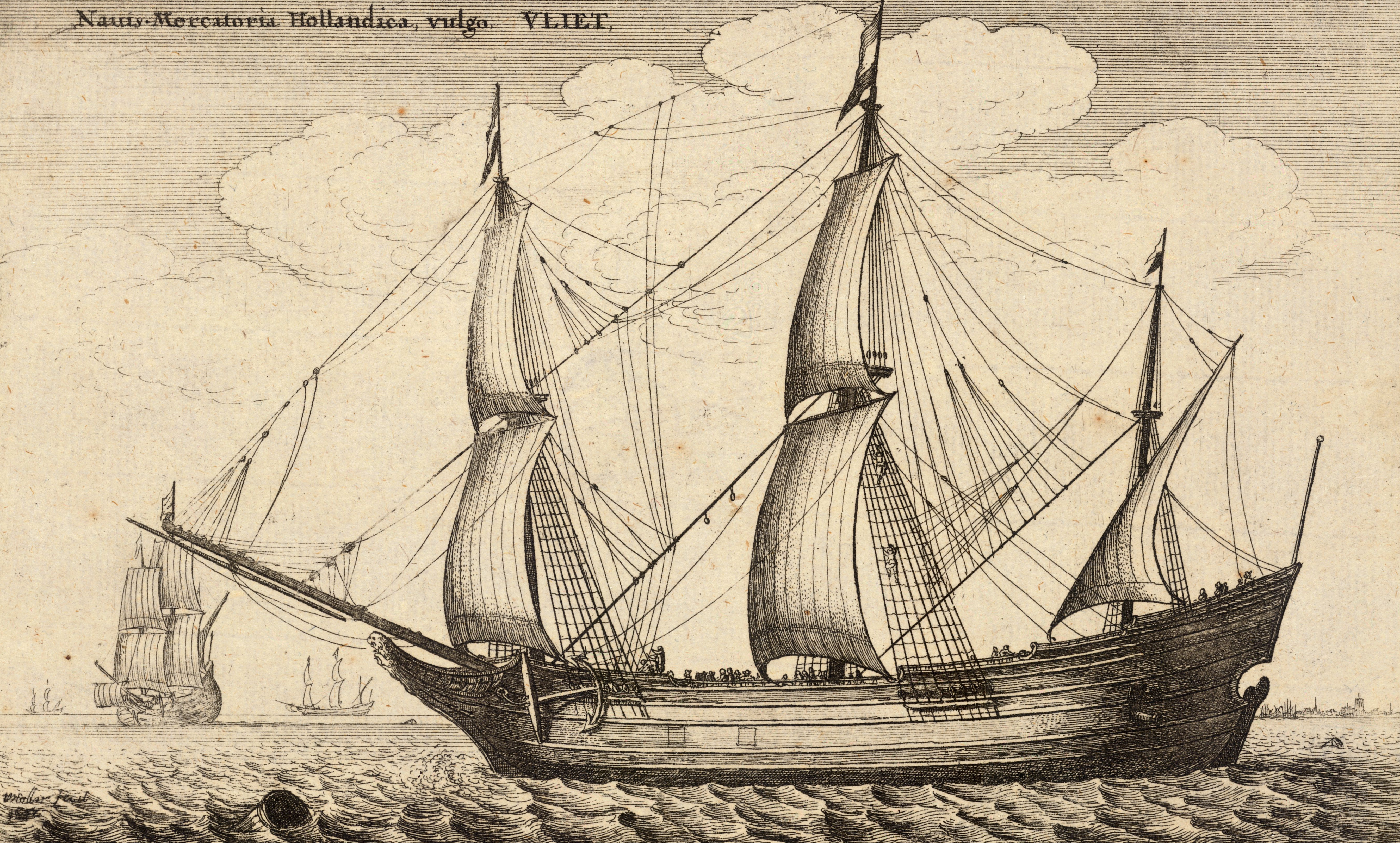
The attack highlights the vulnerability of merchant shipping—commercial watercraft dedicated to transporting cargo and passengers for hire—to modern asymmetric warfare tactics. Unlike naval vessels equipped with advanced anti-air defenses and military-grade electronic countermeasures, trading vessels operate primarily for economic utility, ranging from small coastal tugs to massive container ships and oil tankers spanning hundreds of meters in length. Their civilian status and predictable transit routes make them soft targets in contested waters.
Compounding the complexity of maritime security is the widespread commercial practice of operating under "flags of convenience." Many merchant ships are registered in nations other than those of their actual owners, such as Panama or Liberia, to benefit from more favorable tax structures and maritime regulations. This jurisdictional diffusion often complicates diplomatic responses, insurance liabilities, and accountability when commercial fleets become collateral damage in geopolitical disputes, even though international law generally protects non-combatant vessels during conflicts.
The incident also revives long-standing legal and historical concerns regarding the dual-use nature of commercial shipping. While merchantmen are strictly distinct from pleasure craft and warships in times of peace, international maritime tradition has long recognized their capacity to serve as auxiliary transport for military personnel and supplies during times of war. This historical grey area frequently draws neutral commercial traffic into the crosshairs of belligerent parties, heightening the risk of miscalculation as unmanned aerial systems proliferate among state and non-state actors alike.
For the wider international community, particularly economies reliant on uninterrupted maritime trade through the Black Sea corridor, this escalation threatens vital agricultural and energy supply chains. Any persistent threat to civilian shipping routes risks driving up global insurance premiums, disrupting grain and commodity exports from Eastern Europe, and forcing a costly re-evaluation of navigation safety across semi-enclosed European seas.
Produced by our editorial team, with AI assistance in editing.