UN General Assembly Adopts Non-Binding Resolution Demanding End to US Cuba Embargo
The United Nations General Assembly has adopted a non-binding resolution calling for an end to the long-standing United States economic embargo against Cub
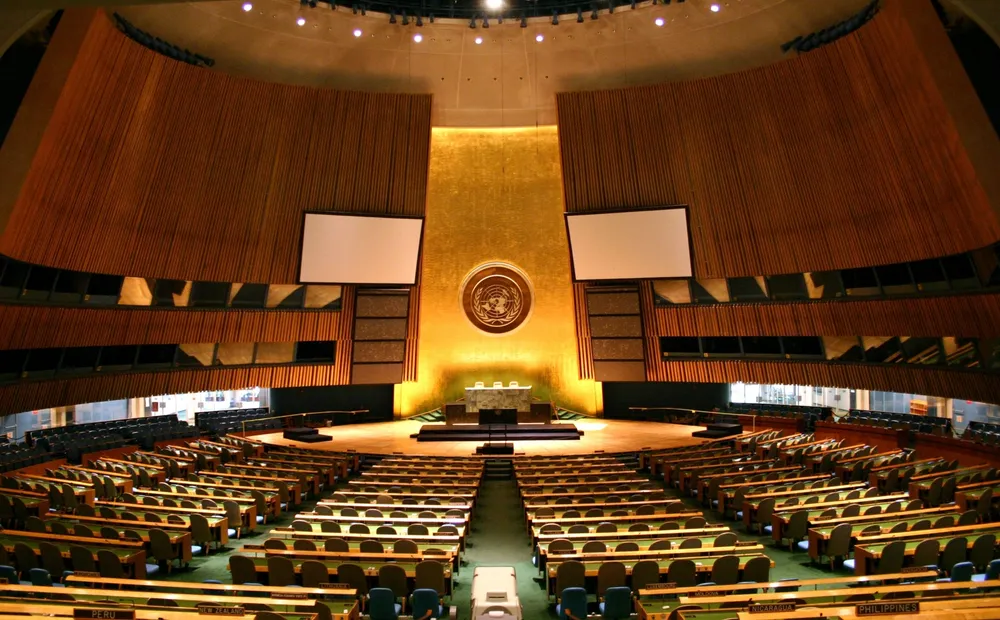
The United Nations General Assembly has adopted a non-binding resolution calling for an end to the long-standing United States economic embargo against Cuba. The measure passed with 130 votes in favor and 17 against, while 25 member states chose to abstain. Despite passing comfortably by a numerical majority, the resolution registered its lowest level of support since 1995, highlighting a shifting diplomatic landscape within the global body.
While UN General Assembly resolutions carry no binding legal force under international law, they serve as a significant barometer of global opinion. The annual vote provides member states with a platform to register their stance on Washington’s restrictive trade measures, which have governed US-Cuba relations for over six decades. The marked drop in affirmative votes—down from historical tallies that regularly exceeded 180 nations—reflects growing diplomatic friction, evolving geopolitical priorities, and nuanced shifts in how various capitals approach Havana’s current domestic and foreign policies.
Washington has consistently defended the embargo as a necessary tool to pressure the Cuban government over human rights concerns and democratic deficits. US representatives argue that bilateral sanctions are a domestic policy matter and maintain that humanitarian exemptions exist within the trade restrictions. Furthermore, Washington contends that international forums like the General Assembly are not the appropriate venue to resolve bilateral grievances, framing the annual vote as symbolic posturing that fails to address the root causes of Cuba’s governance challenges.
Havana and its allies, conversely, condemn the embargo as an illegal form of collective punishment that severely hinders the island nation’s economic development, public health infrastructure, and access to essential goods. Cuban diplomats argue that the trade restrictions constitute a blockade that violates international law and the UN Charter. Supporters of the resolution emphasize that the extraterritorial reach of US sanctions penalizes third-party nations and companies engaging in legitimate commerce with Cuba, exacerbating severe socioeconomic hardships for the island’s population.
For the wider international community, the vote underscores ongoing divisions over the utility of unilateral economic coercion as an instrument of foreign policy. As supply chains face increasing fragmentation and secondary sanctions complicate global trade compliance, the debate at the United Nations resonates beyond bilateral US-Cuba dynamics. It touches upon fundamental questions regarding sovereignty, the rules-based international order, and the efficacy of economic isolation in achieving political change in an increasingly interconnected global economy.
Produced by our editorial team, with AI assistance in editing.