
Typhoon Champi Leaves One Dead and Over 150 Injured Across Taiwan
Typhoon Champi has left at least one person dead and injured 163 others across Taiwan, prompting authorities to launch widespread emergency operations and
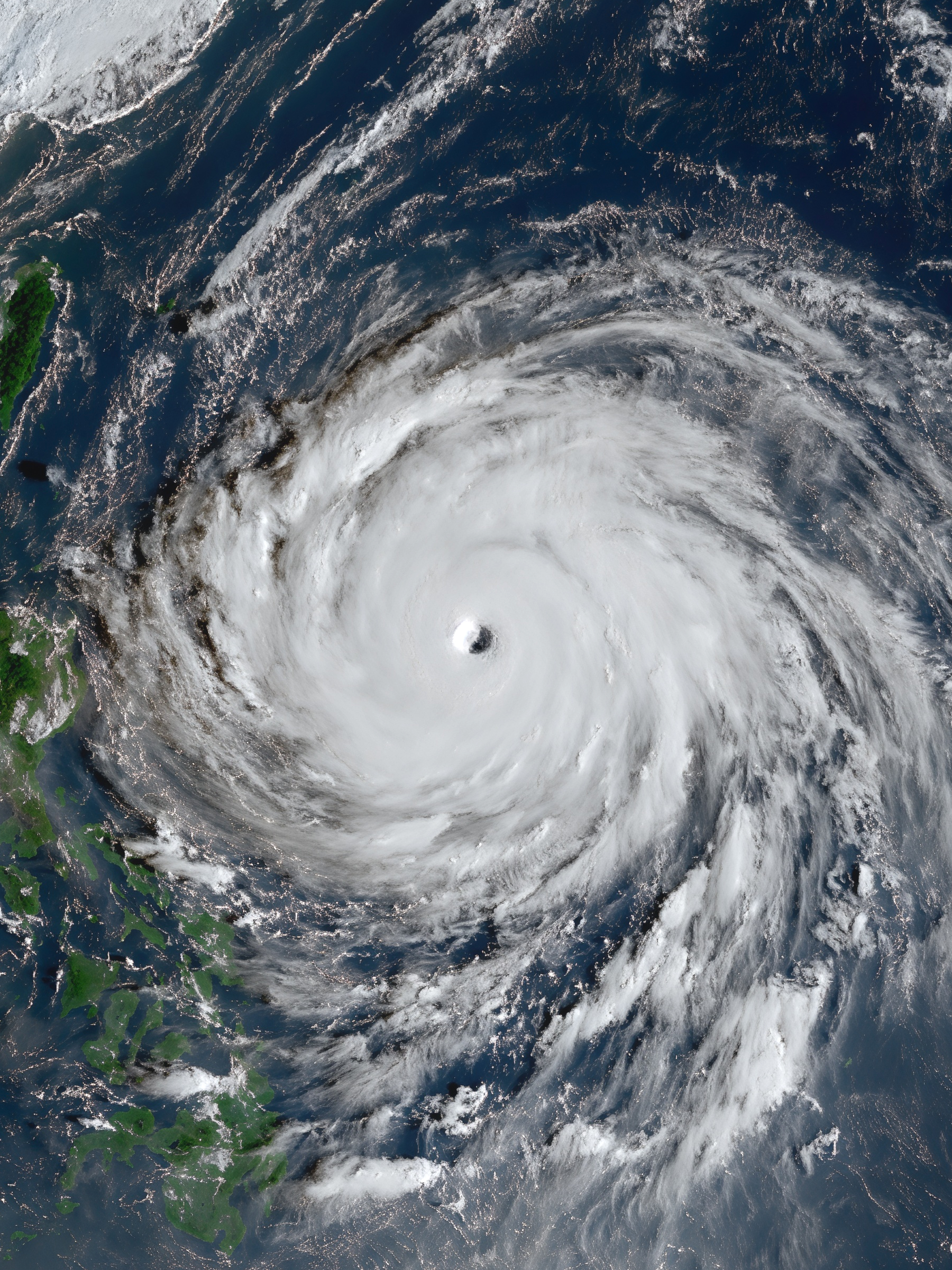
Typhoon Champi has left at least one person dead and injured 163 others across Taiwan, prompting authorities to launch widespread emergency operations and evacuate 2,639 residents from vulnerable mountainous regions. The powerful storm, which made its presence felt through torrential downfalls and ferocious gale-force winds, has caused significant disruptions to transportation, commerce, and daily life on the island, with local governments maintaining high-level alerts as the system churns through the region.
The storm, tracked regionally as the thirtieth named storm and thirteenth typhoon of the active 2026 Pacific typhoon season, originated from a meteorological disturbance near Micronesia earlier in October. Guided by prevailing atmospheric currents, the system was formally upgraded to a tropical depression by the Japan Meteorological Agency on October 11 before receiving designation as 29W from the Joint Typhoon Warning Center days later. Benefiting from exceptionally favorable environmental conditions, Champi underwent a period of rapid intensification, transitioning swiftly from a severe tropical storm into a fully fledged typhoon and eventually achieving Category 5-equivalent super typhoon status as it neared Guam and the Northern Mariana Islands.
Despite undergoing a natural eyewall replacement cycle that caused temporary fluctuations in its peak wind speeds, the storm retained much of its destructive power as it tracked northwestward toward the Ryukyu Islands and Taiwan. Meteorological agencies across East Asia had monitored the expansive tropical cyclone closely, warning of compounding hazards including storm surges, widespread inland flooding, and catastrophic landslides in high-risk terrain. In response, Taiwan’s Central Emergency Operation Center deployed rescue personnel, secured critical infrastructure, and coordinated preemptive evacuations to safeguard populations residing in remote, slide-prone districts.
While direct emergency response efforts remain focused on search, rescue, and humanitarian aid for those affected by the landslides and structural damages, the severe weather event underscores the broader vulnerability of East Asia's critical infrastructure to increasingly potent tropical cyclones. As regional supply chains, maritime shipping lanes, and advanced manufacturing hubs—particularly Taiwan's semiconductor and tech ecosystems—face recurring climate-induced disruptions, authorities and industrial planners are continually forced to reassess disaster preparedness frameworks to mitigate economic fallout and ensure supply chain resilience across the wider Indo-Pacific region.
Produced by our editorial team, with AI assistance in editing.
