
Two Saudi Oil Tankers Transit Through Bab Al-Mandab Strait.
According to the latest maritime data, two oil tankers carrying Saudi Arabian oil, the Malta-registered Suezmax tanker Lesvos and the India-registered Very
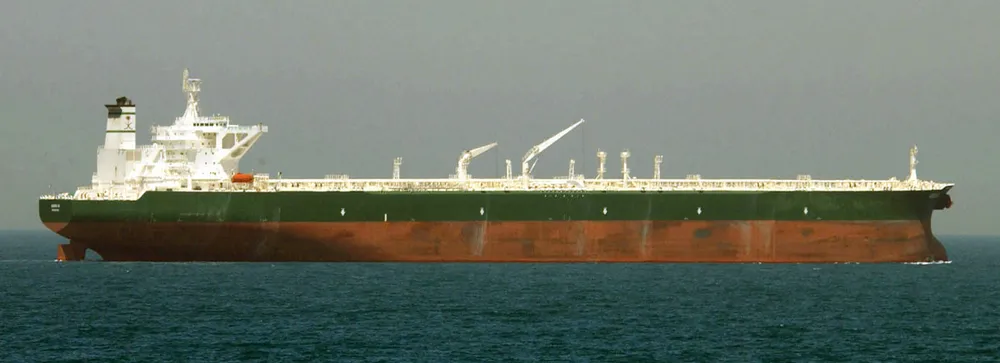
According to the latest maritime data, two oil tankers carrying Saudi Arabian oil, the Malta-registered Suezmax tanker Lesvos and the India-registered Very Large Crude Carrier (VLCC) Desh Vaibhav, have navigated through the Bab-el-Mandeb Strait (Bab-el-Mandeb) and departed the Red Sea. The trajectory of these two oil tankers has raised concerns due to the strategic importance of the Bab-el-Mandeb Strait, which connects the Red Sea and the Gulf of Aden, and serves as a critical shipping route for global oil transportation.
The two oil tankers belong to different types, with the Lesvos being a Suezmax tanker and the Desh Vaibhav being a VLCC. Oil tankers are specialized vessels designed for transporting or storing liquids or gases and are categorized into several types, including oil tankers, chemical tankers, cargo ships, and gas carriers. In addition to transporting oil and natural gas, oil tankers can also carry other liquid commodities, such as vegetable oil, citrus juice, molasses, and wine.
The development of oil tankers dates back to the late 19th century, when improvements in iron and steel hulls and pumping systems emerged. Modern oil tankers have become essential tools for global energy transportation, with over 4,000 oil tankers and VLCCs in operation worldwide, according to a 2005 report. The operation of these tankers not only holds significant importance for global energy supply but also has a profound impact on international shipping and trade.
As global energy demand continues to grow, oil tanker operations face increasing challenges and risks. For instance, transporting oil requires strict safety measures to prevent accidents and oil spills. Additionally, oil tanker operations must comply with relevant international laws and standards to ensure safe and environmentally friendly transportation.
In recent years, the global energy market has undergone significant changes, particularly in the development and application of non-traditional energy sources. However, oil remains one of the world's most critical energy sources, and the operation of oil tankers plays a crucial role in ensuring the stability and security of global oil supply.
For Taiwan, the event of these two oil tankers navigating through the Bab-el-Mandeb Strait holds significant reference value. As a country with limited energy resources, Taiwan relies heavily on external energy supplies. Understanding changes in the global energy market and the dynamics of oil tanker operations can help Taiwan better address energy security challenges and promote energy cooperation. Furthermore, Taiwan can draw lessons from other countries' experiences to drive its own energy transition and sustainable development.
Produced by our editorial team, with AI assistance in editing.