Two Oil Tankers Attacked in Strait of Hormuz Spark Global Security Fears
Greek shipping giant Dynacom Tankers recently confirmed that two of its tankers were struck by unidentified objects while navigating near the Strait of Hor
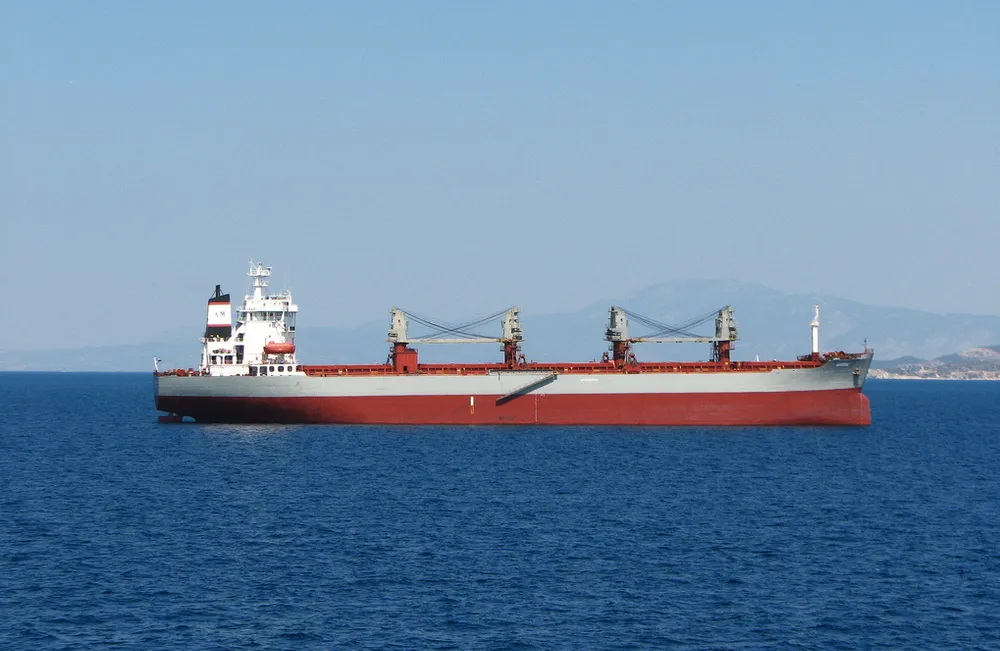
Greek shipping giant Dynacom Tankers recently confirmed that two of its tankers were struck by unidentified objects while navigating near the Strait of Hormuz, off the coast of Oman. The vessels involved are the Malta-flagged Panamax tanker *Kavomaleas* and the Liberia-flagged crude oil carrier *Acheloos*. While no group has claimed responsibility for the attacks, and no casualties or significant environmental damage have been reported, the incident has once again heightened international alarm regarding the security of critical shipping lanes in the Middle East.
As a global powerhouse in the shipping industry, Greece has long played a pivotal role in international maritime trade. Shipping is not only Greece's oldest traditional industry but also a lifeline for its modern economy, contributing revenue equivalent to approximately one-third of the nation's trade deficit. According to *Lloyd’s List*, the Greek merchant fleet consistently ranks first globally in terms of total deadweight tonnage and fleet size, holding a significant market share, particularly in the oil tanker and dry bulk carrier sectors. These enterprises, largely managed by traditional shipping dynasties with headquarters in Athens, London, and New York, directly impact the stability of the global energy supply chain and exert significant influence over the drafting of international regulations by bodies such as the International Maritime Organization (IMO).
The Strait of Hormuz, known as the "world's oil artery," is the most critical maritime chokepoint for global oil transport, with approximately one-fifth of the world's petroleum supply passing through it. In recent years, the region has seen frequent reports of tanker attacks, seizures, and threats from drones and sea mines, largely stemming from regional geopolitical tensions. Analysts suggest that these "unidentified attacks" on commercial vessels often serve as strategic probes designed to exert pressure on regional political dynamics by disrupting energy transport routes. Because many of the targeted vessels sail under "flags of convenience," such as those of Malta or Liberia, the processes of establishing liability and conducting diplomatic mediation have become increasingly complex.
The international shipping community is deeply concerned, as any act of force against commercial vessels directly inflates insurance premiums and operational costs, which are subsequently passed on to global oil prices. The fact that vessels from the Greek shipping sector—a key node in global transport—are frequently targeted underscores the high degree of vulnerability in the current maritime security environment. As geopolitical conflicts spill over into civilian shipping, navies and shipping companies are being forced to strike a more arduous balance between maintaining open sea lanes and ensuring the safety of their crews, prompting the international community to reassess the protective mechanisms for these vital maritime lifelines.
For Taiwan, although it is not a direct party to this incident, the island’s economy is highly dependent on energy imports, making it acutely sensitive to the security of Middle Eastern energy routes. Taiwan relies heavily on oil and natural gas from the Persian Gulf, and any turbulence in the Strait of Hormuz could directly impact its energy supply chain and price stability. Furthermore, as home to several major shipping companies that occupy a significant position in the global logistics network, Taiwan is reminded by this event of the necessity to conduct more rigorous assessments of geopolitical risks in the Middle East when planning routes. Strengthening maritime security intelligence sharing with the international community has become essential for Taiwan to effectively respond to potential maritime threats.
Produced by our editorial team, with AI assistance in editing.