Two drone strikes in Sudan's North Kordofan kill at least eight civilians
Emergency Lawyers announced on the 8th that two drone strikes occurred recently in the Sowdari district of North Kordofan, Sudan, killing at least eight ci
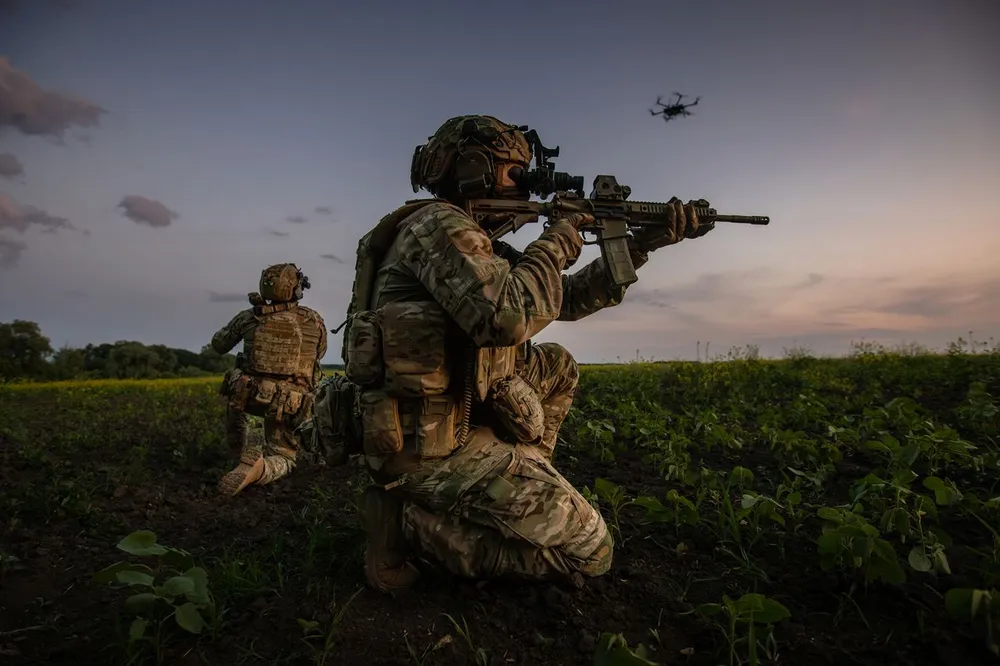
Emergency Lawyers announced on the 8th that two drone strikes occurred recently in the Sowdari district of North Kordofan, Sudan, killing at least eight civilians and wounding several others. The organization said the attacks took place in early July, local time, and were purportedly aimed at a suspected gathering of armed forces. In reality, the strikes hit residential houses and farmland within the village, affecting mainly innocent farmers. The report was picked up by multiple international news outlets and has sparked renewed scrutiny of drone use in Sudan’s civil war.
The Sudanese conflict has now been raging for more than a decade, with government forces and a number of rebel groups repeatedly escalating hostilities. In recent years both sides have made extensive use of unmanned aerial vehicles (UAVs) for reconnaissance and strike missions, particularly commercially available platforms that have been retrofitted with weapons. Drones are described as “disposable force multipliers,” offering long‑range precision strike capability while reducing personnel risk. Over twenty countries, including the United States, Russia and Israel, have developed or deployed combat‑capable UAVs, and the decreasing technical barriers have allowed non‑state armed actors in conflict zones to acquire such systems.
In Sudan, the provenance of the drones remains unclear. Some analysts contend that the equipment is sourced from arms markets in neighboring states, while other reports point to external actors supplying drones through proxies. Operational modes vary, ranging from remote piloting to semi‑autonomous and fully autonomous systems. Fully autonomous drones can select targets based on pre‑programmed algorithms or artificial intelligence, enhancing strike efficiency but also raising the risk of civilian casualties. The precision and target‑identification shortcomings evident in the recent strikes are at the heart of international debate over the ethics and regulation of drone warfare.
International human‑rights groups and the United Nations Office for the Coordination of Humanitarian Affairs (OCHA) have called on all parties to respect international humanitarian law, especially the protections for civilians enshrined in the Geneva Conventions. If drone operators fail to ensure proper target discrimination and proportionality, such attacks may constitute unlawful “indiscriminate” strikes under international law. To date, neither the Sudanese government nor the main rebel factions have issued an official response to the incident, and it remains uncertain whether the strikes were intended as a strategic or ideological act of intimidation.
For Taiwan, the Sudanese drone attacks underscore the dual‑edged nature of unmanned systems in conflict: they can increase operational efficiency and reduce friendly casualties, yet without stringent target‑identification protocols and legal safeguards they can cause civilian deaths and exacerbate violence. Taiwan has invested heavily in both domestically produced and purchased UAVs within its defence architecture. The episode highlights the need to examine combat doctrines and ethical review mechanisms against international case studies, ensuring that future engagements—whether in potential conflicts or international cooperation missions—balance combat effectiveness with humanitarian responsibility.
Produced by our editorial team, with AI assistance in editing.