
Turkish Bulk Carrier Sinks After Collision with Oil Tanker, Ten Missing
The Turkish coast guard confirmed on Saturday that the Turkish‑flagged bulk carrier MV Tuğberk İmamoğlu sank in the Marmara Sea after colliding with an oil
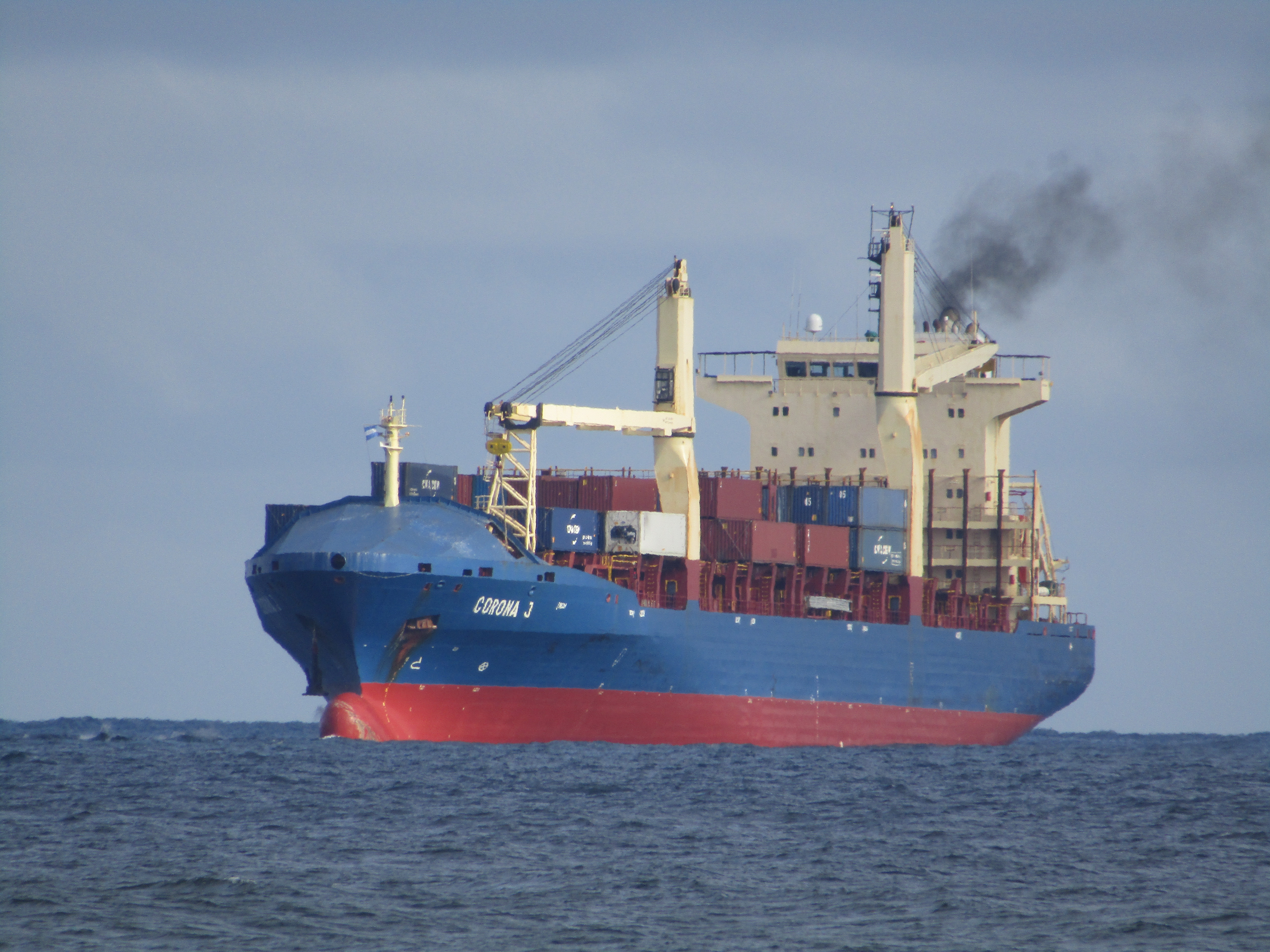
The Turkish coast guard confirmed on Saturday that the Turkish‑flagged bulk carrier MV Tuğberk İmamoğlu sank in the Marmara Sea after colliding with an oil tanker near the western coast of Istanbul. The incident, which occurred at approximately 04:30 local time, prompted an immediate search‑and‑rescue operation involving navy vessels, civilian boats and aerial units. Ten crew members have been listed as missing, while the remaining crew were rescued and taken to nearby ports for medical evaluation. Initial reports suggest that the two vessels were navigating a congested shipping lane when the impact caused severe hull damage to the cargo ship, leading to rapid water ingress and its eventual submersion.
The Marmara Sea, a critical maritime corridor linking the Black Sea to the Aegean and the wider Mediterranean, sees heavy traffic from both commercial and energy‑related vessels. The oil tanker involved, operated by a Greek‑owned shipping company, has not yet been identified publicly, and its owners have expressed “deep concern” for the crew while cooperating with Turkish authorities. Turkish officials have opened a formal investigation to determine the cause of the collision, focusing on potential navigation errors, communication failures, or mechanical faults. Early statements from the Ministry of Transport emphasized adherence to international maritime safety standards and pledged full support for the families of the missing seafarers.
Cargo ships like the Tuğberk İmamoğlu form the backbone of global trade, carrying the bulk of the world’s freight by volume. Modern freighters are built from welded steel and equipped with sophisticated loading gear, allowing them to transport everything from raw minerals to finished consumer goods. While the vessel in question was a relatively small coastal freighter, its loss underscores the vulnerability of maritime logistics to accidents, especially in densely trafficked waters. The incident also raises questions about the adequacy of traffic management in the Marmara, where overlapping routes for oil tankers, container ships and regional ferries create a complex operational environment.
International maritime law obliges ship owners and flag states to conduct thorough investigations after such incidents, and to report findings to bodies such as the International Maritime Organization (IMO). Both Turkey and Greece are signatories to the IMO’s conventions, which prescribe standards for collision avoidance, crew training and vessel equipment. The oil tanker’s flag state is expected to cooperate with Turkish investigators, while the cargo ship’s owners will likely face scrutiny over vessel maintenance records and crew certifications. In past regional incidents, disputes over liability have sometimes led to protracted legal battles, but the immediate priority remains locating the missing crew and preventing further environmental damage from any residual oil spill.
Environmental concerns are also prominent, given the proximity of the wreck to Istanbul’s industrial shoreline. Although the cargo ship primarily carried dry bulk goods, the oil tanker’s cargo could pose a pollution risk if containment measures fail. Turkish environmental agencies have dispatched containment booms and monitoring teams to assess any potential leakage, while the IMO’s Marine Pollution (MARPOL) guidelines will guide the response. The incident arrives at a time when the global shipping industry is under heightened scrutiny for its environmental footprint, and any spill could reinforce calls for stricter oversight of tanker routes through the narrow straits that connect the Black Sea to the Mediterranean.
While the sinking does not directly involve Taiwan, the episode highlights the fragility of international supply chains that rely on safe passage through strategic maritime chokepoints such as the Turkish straits. Disruptions in the Marmara Sea can reverberate through the broader network that transports raw materials and finished products to Asian markets, including Taiwan’s high‑tech manufacturing sector. Moreover, the incident underscores the importance of robust maritime safety protocols and cooperative emergency response mechanisms—issues that are central to Taiwan’s own efforts to protect its busy ports and maintain the resilience of its semiconductor‑driven export economy.
Produced by our editorial team, with AI assistance in editing.
