Tuareg rebels release 60 soldiers in swap for defector Attaher.
The Tuareg rebels of northern Mali announced on Saturday that they had released 60 Malian soldiers they had captured earlier this year, in exchange for the
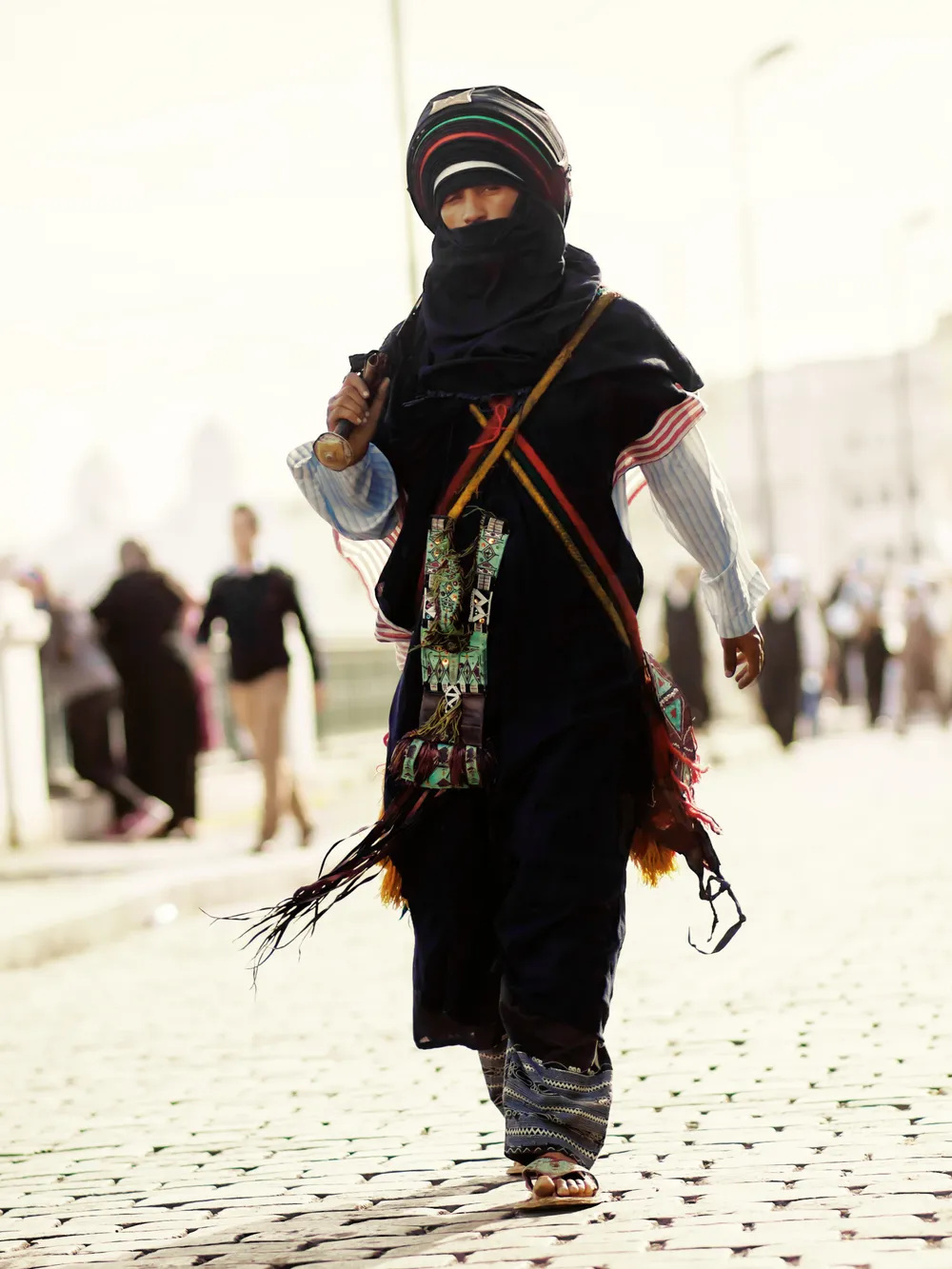
The Tuareg rebels of northern Mali announced on Saturday that they had released 60 Malian soldiers they had captured earlier this year, in exchange for the return of former army officer Inkinane Ag Attaher, who defected to the insurgents in early 2024. The hand‑over took place at a remote checkpoint near the town of Kidal, with both sides confirming the exchange through separate statements released to the press. Malian authorities said the soldiers, who had been held for more than a year, would be repatriated to the capital Bamako within the next 48 hours, while the rebels hailed the deal as a “gesture of goodwill” that underscored their willingness to negotiate.
The episode occurs against the backdrop of a protracted conflict that has pitted the Tuareg, a nomadic Berber‑speaking people spread across the Sahara, against successive Malian governments since the early 1990s. The Tuareg have long complained of political marginalisation, economic neglect and the loss of traditional grazing lands, grievances that have sparked several armed uprisings, most notably the 2012 rebellion that saw rebels seize control of the north before being pushed back by French forces. A 2015 peace accord, brokered by the United Nations, granted limited autonomy to the region and integrated some former fighters into the national army, but implementation has been uneven, and intermittent clashes have continued, especially after the 2020 coup that ousted President Ibrahim Boubacar Keïta.
Inkinane Ag Attaher, a former captain in the Malian army, crossed over to the rebel side in February 2024, citing disillusionment with the government’s handling of northern affairs and alleging that the military hierarchy had failed to protect Tuareg civilians from extremist groups. His defection was a symbolic blow to the state, as he possessed intimate knowledge of army operations and had reportedly acted as a liaison between the rebels and senior officers. For the Tuareg insurgents, securing Attaher’s return was both a strategic and morale‑boosting objective, signalling that they could extract high‑value concessions despite their limited conventional firepower.
Mali’s interim president, Colonel Assimi Goïta, welcomed the release of the soldiers, describing it as “a positive step toward restoring trust between the army and the people of the north.” However, he also warned that the government would not negotiate on the status of Attaher, insisting that he faced “serious charges of treason” and would be tried in accordance with Malian law. The exchange, therefore, appears to be a limited humanitarian gesture rather than a broader thaw in the stalled peace process. International observers, including the United Nations Multidimensional Integrated Stabilisation Mission in Mali (MINUSMA), have called for renewed dialogue, noting that the release of hostages could serve as a confidence‑building measure if followed by concrete steps on political decentralisation and security sector reform.
The incident highlights the fragile security environment of the Sahel, a region already beset by jihadist insurgencies, illicit trafficking and climate‑driven displacement. Instability in northern Mali threatens the flow of minerals such as uranium and gold, which are exported to global markets, and it also complicates the logistics of multinational mining firms operating in neighboring Niger and Burkina Faso. Moreover, the persistence of armed groups in the Sahara raises concerns for European and Asian investors seeking to diversify supply chains for critical raw materials, as any disruption can ripple through global commodity prices.
While the episode does not involve Taiwan directly, the broader implications of Sahelian instability resonate with the island’s strategic calculus. Taiwan’s high‑tech economy depends on a stable supply of rare earth elements and other minerals, many of which are sourced from African mines that rely on secure transport routes crossing the Sahel. Continued unrest could tighten global supply chains, increase commodity costs and prompt multinational corporations to reassess risk exposure, indirectly affecting Taiwan’s manufacturing sector. Additionally, the episode underscores how localized conflicts can have outsized effects on global markets—a reminder that geopolitical stability, even far from East Asia, remains a critical factor in maintaining the flow of resources essential to Taiwan’s economy.
Produced by our editorial team, with AI assistance in editing.