Truck Bomb Explosion Near Colombian Military Base Kills Four
A devastating truck bomb explosion near a military base in the municipality of Planadas, located in Colombia's southern Tolima department, has left four pe
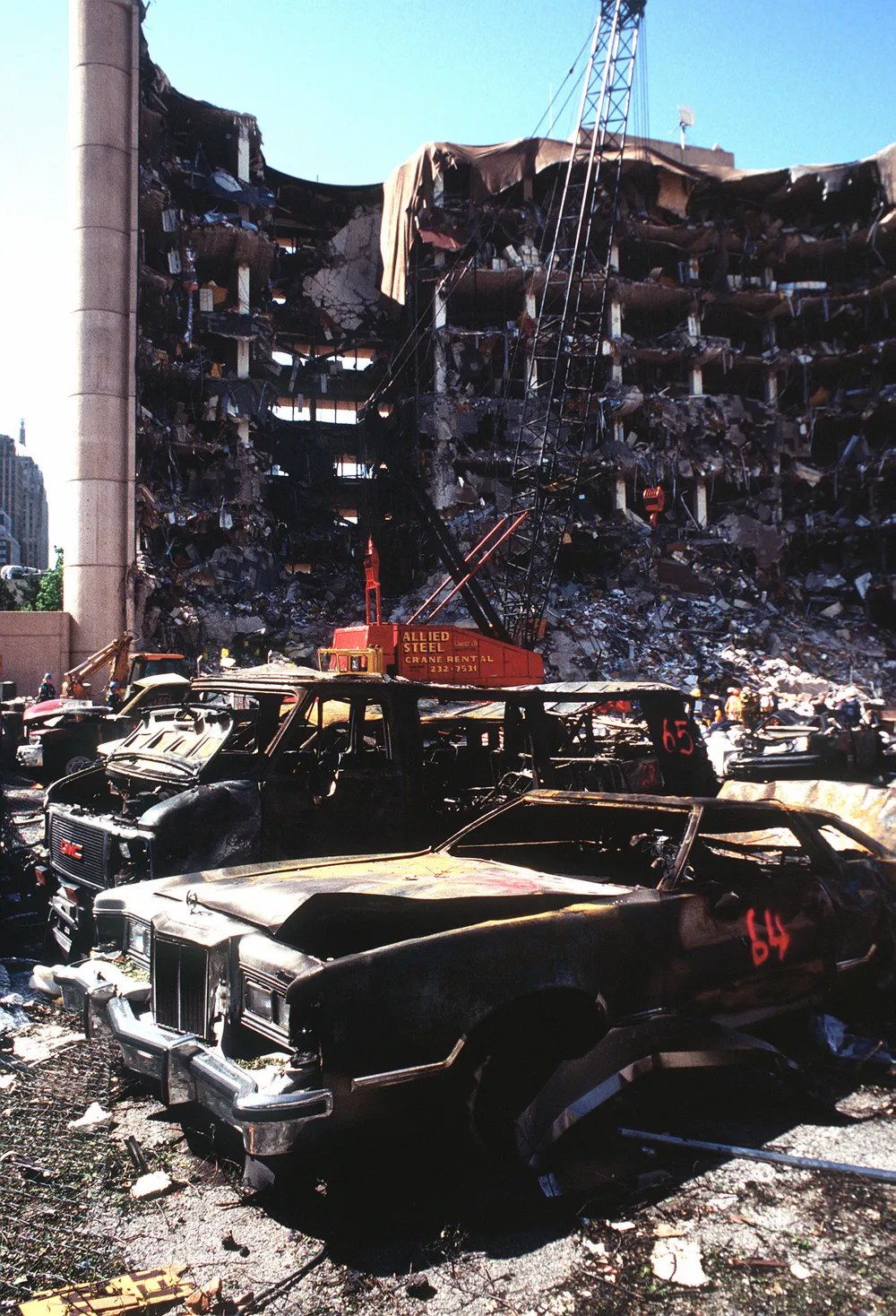
A devastating truck bomb explosion near a military base in the municipality of Planadas, located in Colombia's southern Tolima department, has left four people dead, including an infant, and wounded several others. The blast, which tore through the area surrounding the installation, has prompted a swift mobilization of emergency services and military personnel to secure the site and treat the injured. Local authorities have launched an immediate investigation to determine the perpetrators behind the attack, which marks a severe escalation in regional violence.
While investigators continue to process the scene, the deployment of a vehicle-borne improvised explosive device (VBIED) points to tactics historically employed by organized armed groups and dissident factions operating within the country. In the context of Colombia's complex internal security landscape, truck bombs and similar devices have occasionally been utilized in guerrilla warfare and asymmetric attacks. These weapons allow assailants to transport substantial quantities of hidden explosives directly to fortified targets or populated perimeters, bypassing initial security checkpoints with a disguise of routine vehicular traffic before remote or timed detonation.
The use of VBIEDs presents persistent challenges for security forces worldwide. Designed either to be parked inconspicuously near critical infrastructure or driven directly into targets as suicide attacks, these devices maximize structural damage and casualties through the sheer volume of explosives they can conceal. In Planadas, the proximity of the blast to both military installations and civilian areas resulted in immediate tragedy, underscoring the indiscriminate nature of such explosive devices and the high risk they pose to non-combatants in zones affected by active insurgencies.
The incident comes at a sensitive time for Colombia's security apparatus as the government continues to navigate precarious peace negotiations and localized ceasefires with various armed factions. Tolima, while historically less volatile than some of Colombia’s peripheral drug-producing regions, has experienced sporadic security incidents linked to remnants of guerrilla groups and criminal syndicates vying for territorial control and illicit trafficking routes. The loss of civilian life, particularly a child, is expected to harden public resolve and draw renewed political scrutiny regarding the state's capability to secure vulnerable municipalities against asymmetric threats.
For the broader international community, including regional actors in Latin America, incidents of urban and peri-urban terrorism serve as a stark reminder of the persistent threat posed by remnants of asymmetric conflict to regional stability. While events in Tolima remain localized to Colombia's internal security struggles, the challenges of neutralizing VBIED threats and protecting civilian populations from guerrilla tactics continue to inform counter-terrorism strategies and intelligence-sharing initiatives across the hemisphere.
Produced by our editorial team, with AI assistance in editing.