
Trenton shooting leaves 2 dead, 9 injured; suspect subdued
On the afternoon of August 31, 2024, a private gathering in Trenton, New Jersey, erupted into gunfire, leaving two people dead and nine injured. Police who
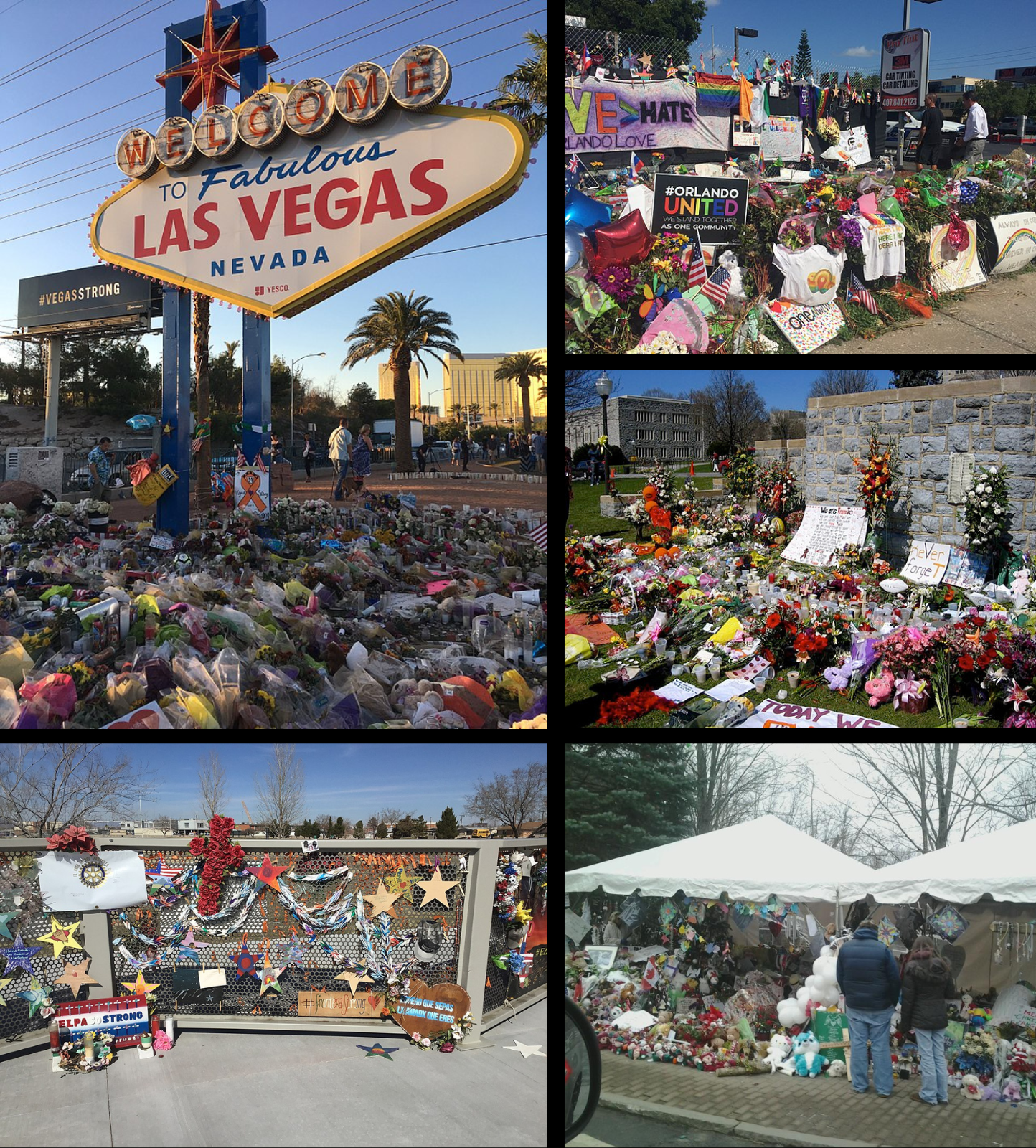
On the afternoon of August 31, 2024, a private gathering in Trenton, New Jersey, erupted into gunfire, leaving two people dead and nine injured. Police who arrived at the scene quickly subdued the suspect and began a thorough evidence‑collection effort. Most of the victims were friends and family members who had been attending the party. The shooting took place in a residential neighborhood and shocked local residents as well as the broader United States.
In the United States, incidents classified as “mass shootings” are considered an anomaly on the international stage. According to the definition most commonly used in academic research, a mass shooting occurs in a public setting—excluding gang conflicts, domestic violence, or organized terrorist actions—when a single shooter kills at least four people. Statistics covering the period from 1966 to 2012 show that roughly one‑third of such events worldwide occurred in the United States, with 90 qualifying cases recorded during those years. Recent reporting by outlets such as The New York Times indicates that the frequency of these incidents has not shown a significant decline.
The majority of mass‑shooting perpetrators are male, with a wide range of ages and backgrounds, but common factors often include easy access to firearms, mental‑health challenges, and personal life histories. Research points to the broad availability of guns as a key driver, while the manner in which the media covers these events may create a copy‑cat effect that further heightens societal risk. Because there is no single, universally accepted definition and no comprehensive database, scholars still find it difficult to produce precise statistical assessments of overall trends in this type of violence.
In the wake of the Trenton shooting, New Jersey officials immediately called for tighter gun‑control measures and said they would review existing background‑check procedures and purchase‑restriction policies. The state already enforces relatively strict gun laws, including limits on high‑capacity magazines and reinforced mental‑health evaluations for purchasers. At the federal level, however, legislation remains stalled amid political disagreement, resulting in a patchwork of approaches across states. The issue is not only a matter of public safety but also a persistent focal point of political and social debate in the United States.
For Taiwan, the Trenton incident serves as a reminder that, in an era of globalization, understanding the United States’ internal security dynamics and policy directions can have indirect implications for Taiwan’s diplomatic and trade environment. Domestic unrest in the United States could affect the stability of its foreign policy and the continuity of military assistance to Taiwan, while also offering a comparative reference for Taiwan’s own public‑safety governance, firearm regulation, and crisis‑response strategies. Although Taiwan does not face a mass‑shooting problem of its own, observing the United States’ experiences and lessons may help Taiwanese lawmakers and officials avoid similar social fractures and public crises when crafting related legislation and preventive measures.
Produced by our editorial team, with AI assistance in editing.