
Tigray Region in Northern Ethiopia Sees Fresh Escalation in Violence and Tensions Rise
Recent clashes have broken out in the Tigray region of northern Ethiopia, with federal government forces and the Tigray People's Liberation Front (TPLF) en
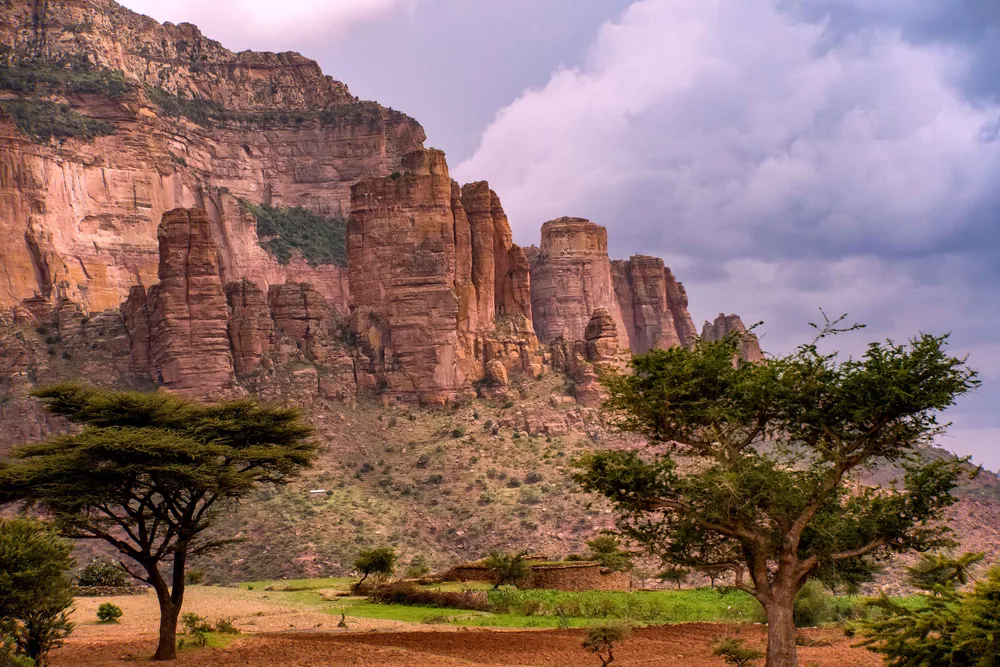
Recent clashes have broken out in the Tigray region of northern Ethiopia, with federal government forces and the Tigray People's Liberation Front (TPLF) engaging in hostilities, marking the first time in four years that this has occurred. The authorities estimate that hundreds of people have fled to war-torn refugee camps in Sudan. These individuals are worried that a further eruption of the Ethiopian civil war may be imminent.
The Tigray region is located in northern Ethiopia and is the country's northernmost region, with Tigrinya as its official language, similar to Eritrea. The region covers an area of 5th in size and has a population of 4th in number, with the 5th highest population density. The region is bordered by Eritrea to the north, Amhara to the south, Sudan to the west, and Afar to the east. According to data, the Tigray region has approximately 7,070,260 residents, with agriculture being the primary occupation, contributing 46% of the region's GDP (data from 2009). The highlands in the region have a higher population density, particularly in the eastern and central Tigray regions. In contrast, the lowlands have sparse population, accounting for 48% of the Tigray region's area. According to data, the Muslim population in the Tigray region stood at approximately 4% in 2007. However, the region has historically been a key entry point for Islam in the Tigray region and Africa. Approximately 95.6% of the population in the Tigray region are Eastern Orthodox Christians.
The government of the Tigray region is composed of administrative institutions, with Mekele as its capital. The region's economy is primarily reliant on the agricultural industry, contributing nearly a quarter of Ethiopia's GDP. However, during the civil war that erupted in the region in 2018, the region suffered severe damage, resulting in approximately 5,600 deaths. The political situation in the Tigray region has become increasingly tense, with the relationship between the federal government forces and the TPLF deteriorating, leading to concerns of a renewed outbreak of civil war. According to data, the Ethiopian civil war has resulted in over 100,000 deaths and millions of people left without a home. The Ethiopian government is currently working with all parties to negotiate and prevent a renewed outbreak of civil war.
International observers are concerned about the handling of the Ethiopian civil war, fearing that the federal government forces may resort to military suppression against the Tigray region, resulting in further casualties and displacement of people. Multiple governments and human rights organizations have called on the Ethiopian government to resolve internal issues through peaceful dialogue, rather than resorting to military means.
Against this backdrop, the renewed outbreak of civil war in Ethiopia is an important development for both the region and the world at large. The international community should continue to monitor the situation in Ethiopia and make efforts to resolve the internal issues peacefully.
For Taiwan, this news does not directly impact Taiwan's diplomatic or trade relations. However, this development can provide Taiwanese readers with an understanding of the situation in the Ethiopian civil war and further insight into international relations. This also presents an opportunity for Taiwanese diplomats and international organizations to pay attention to the internal issues in Ethiopia and make efforts to resolve them peacefully.
Produced by our editorial team, with AI assistance in editing.