Three Killed in Attack on Nigerian Secondary School; Security Forces Repel Assailants
A secondary school and its surrounding community in Nigeria's Kogi State were attacked, leaving three people dead. Nigerian security forces successfully re
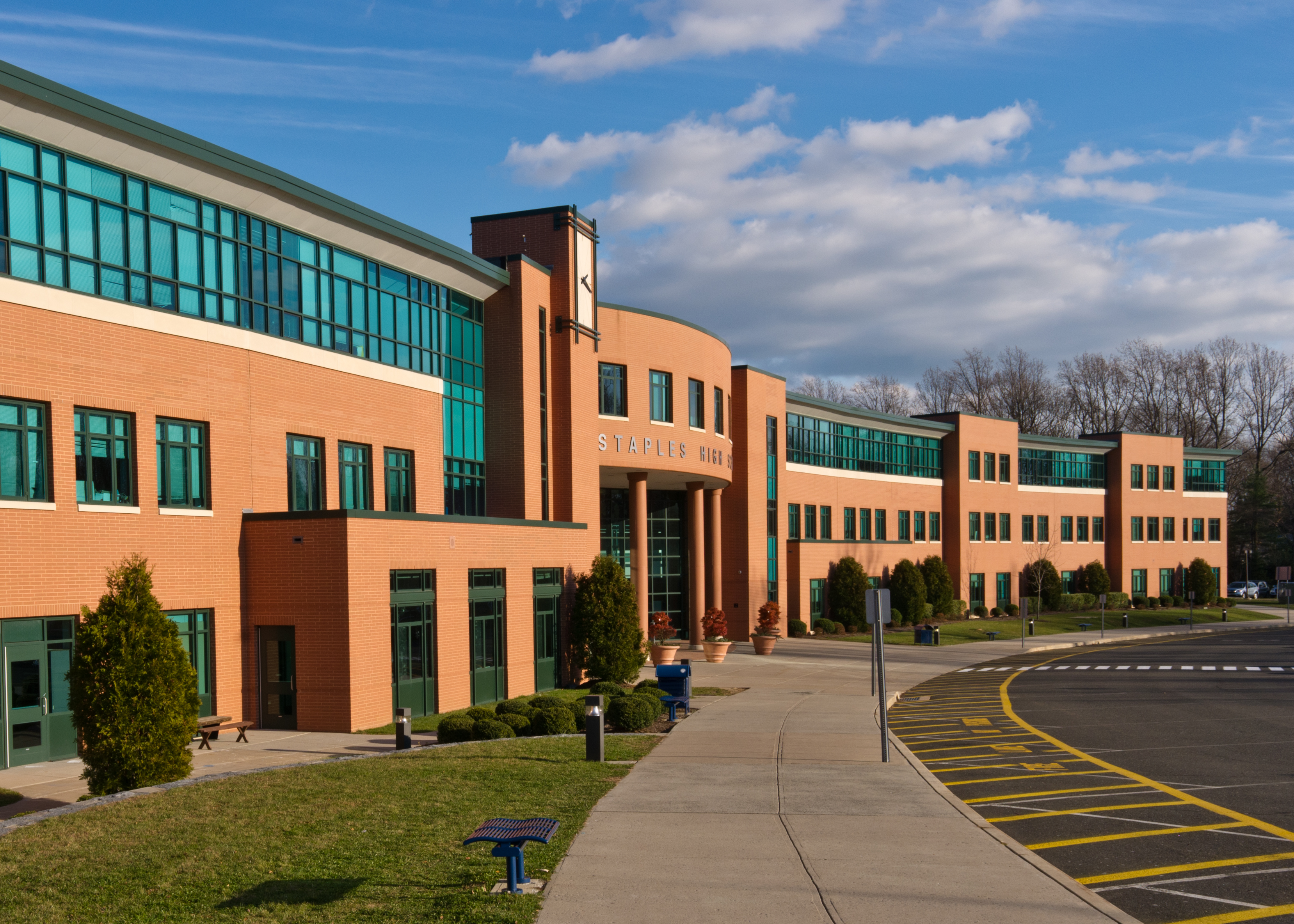
A secondary school and its surrounding community in Nigeria's Kogi State were attacked, leaving three people dead. Nigerian security forces successfully repelled the assailants after an exchange of gunfire and have launched an operation to pursue the attackers who fled the scene. The incident occurred in the early hours of the morning, when the gunmen opened fire on the school and nearby homes, resulting in multiple injuries.
Kogi State has long been a hotspot for the activities of terrorist organizations and armed groups. The security landscape in the region is complex, with various groups, including Boko Haram, operating locally. For years, these organizations have carried out attacks against the Nigerian government and civilians, causing significant loss of life and property damage. While the Nigerian government has been working to combat these groups, it faces immense challenges due to the complex geographical environment and limited resources.
As institutions providing secondary education, schools play a critical role in Nigeria and many other countries. Secondary education encompasses the junior and senior high school levels, typically serving students aged 11 to 18. Nigeria’s secondary education system is similar to those in other nations, with junior secondary school typically spanning grades 6 through 9, and senior secondary school covering grades 10 through 12. However, due to limited educational resources—particularly in rural areas—there remains a significant gap in the quality and accessibility of secondary education.
The Nigerian government has been striving to improve the quality and accessibility of secondary education by increasing funding, enhancing teacher training, and expanding school construction. Nevertheless, persistent security instability and resource constraints mean that secondary education continues to face daunting challenges. This attack once again highlights the plight and difficulties of secondary education in Nigeria, while serving as a reminder of the urgent need to strengthen security measures and resource allocation to protect students and teachers.
For both the Nigerian government and the international community, addressing security concerns in secondary schools and improving educational quality are of paramount importance. The Nigerian government needs to bolster security measures, including increasing police deployment and improving intelligence gathering, to safeguard schools and students. Simultaneously, the international community must provide increased support and funding—including educational and security assistance—to help Nigeria enhance the quality and accessibility of its secondary education system.
For Taiwan, this incident serves as a reminder of the need to pay close attention to international security trends and the challenges of educational development. Although Taiwan differs significantly from Nigeria in geography and cultural background, issues regarding educational safety and quality are global in nature. Taiwan can learn from Nigeria’s experience by focusing on its own educational safety and quality challenges, while also providing international support and aid to help other nations improve their educational standards. At the same time, Taiwan must remain vigilant regarding global security developments, particularly in Africa and the Middle East, to better understand and respond to the evolving challenges of global security.
Produced by our editorial team, with AI assistance in editing.