Thousands Rally at National Mall to Defend Voting Rights on March Anniversary
Demonstrators swarmed the National Mall in Washington, D.C., on Thursday, marking the 63rd anniversary of the historic March on Washington. Organisers said
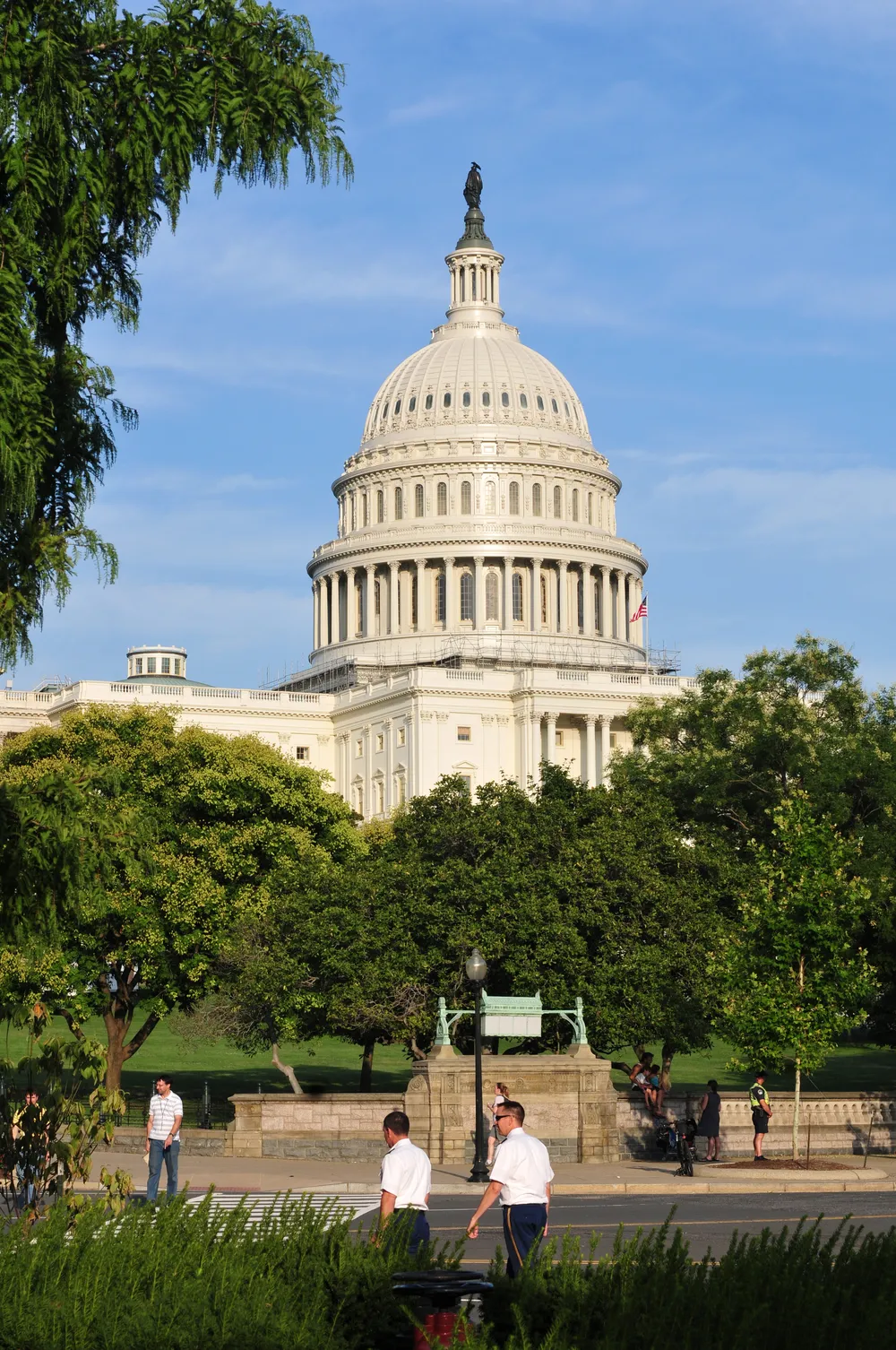
Demonstrators swarmed the National Mall in Washington, D.C., on Thursday, marking the 63rd anniversary of the historic March on Washington. Organisers said thousands of participants gathered to denounce what they described as the Trump administration’s systematic efforts to erode voting protections and civil‑rights enforcement. Speakers invoked Martin Luther King Jr.’s “I have a dream” speech, while chants such as “Protect the vote, protect the people” echoed across the Capitol grounds. Police reported a peaceful demonstration, though several dozen arrests were made after a handful of protesters attempted to breach a security fence near the Washington Monument.
The protest unfolded in a city whose very existence is tied to the nation’s constitutional framework. Established by the Residence Act of 1790, the federal district was carved out of Maryland and Virginia along the Potomac River to serve as a neutral seat of government, distinct from any state. Over two centuries later, Washington remains the symbolic heart of American political life, hosting the Capitol, the White House, and the Supreme Court, and drawing crowds whenever the nation’s core values are contested.
The choice of the National Mall was deliberate. In August 1963, more than two million people converged on the same stretch of green to demand civil‑rights legislation, a rally that culminated in King’s iconic address. That gathering is widely credited with helping secure the Civil Rights Act of 1964 and the Voting Rights Act of 1965. By staging their protest on the same ground, today’s demonstrators sought to remind the public that the struggle for equal suffrage and protection under the law is ongoing, and that the promises of the 1960s remain unfinished.
Critics of the administration point to a series of executive actions and legislative proposals that, they argue, weaken the safeguards established by the Voting Rights Act of 1965. These include tightening rules on voter‑identification, reducing the federal government’s ability to pre‑clear changes to state election laws, and curtailing funding for civil‑rights enforcement agencies. Supporters of the measures contend that they are necessary to curb voter fraud, restore state autonomy, and streamline election administration. The administration has repeatedly denied any intention to disenfranchise voters, insisting that its policies simply modernise the electoral system and protect election integrity.
Civil‑rights organisations such as the NAACP and the Brennan Center for Justice have filed lawsuits challenging the new regulations, arguing they disproportionately affect minority communities and contravene the spirit of the 1965 act. Republican lawmakers, meanwhile, have defended the changes as a fulfillment of the administration’s pledge to “protect the sanctity of the ballot.” The legal battles are expected to continue in federal courts, with several cases already scheduled for hearing in the coming months.
The demonstration’s resonance extends beyond domestic politics. As the United States remains a cornerstone of the liberal democratic order, perceived backsliding on voting rights can influence how allies and partners evaluate American commitment to democratic norms. For Taiwan, which relies on U.S. support to bolster its own democratic institutions amid pressure from an authoritarian neighbour, the health of American democracy carries symbolic and strategic weight. A United States perceived as steadfast in safeguarding electoral freedoms reinforces its credibility in advocating for similar standards in the Indo‑Pacific, thereby affecting diplomatic leverage, security cooperation, and the broader narrative of democratic resilience in the region.
Produced by our editorial team, with AI assistance in editing.