
Tanker Attacks Near Oman Heighten Middle East Tensions and Threaten Shipping Safety
An oil tanker was attacked by Iran yesterday off the coast of Oman, near the Strait of Hormuz, forcing the crew to abandon ship. The incident was subsequen
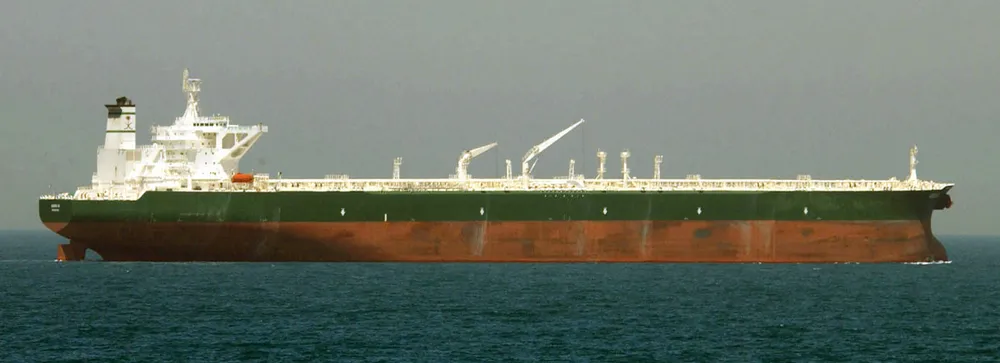
An oil tanker was attacked by Iran yesterday off the coast of Oman, near the Strait of Hormuz, forcing the crew to abandon ship. The incident was subsequently confirmed by the United Kingdom Maritime Trade Operations (UKMTO). The attack occurred at a sensitive moment—marking the tenth consecutive night of US military strikes in the Middle East—highlighting a sharp escalation in regional tensions that has now directly impacted the safety of commercial maritime transport in a vital international waterway.
As a crucial artery for global energy transport connecting the Persian Gulf and the Gulf of Oman, the Strait of Hormuz is a mandatory chokepoint for Middle Eastern crude oil heading to global markets. The tanker targeted in the incident is designed specifically for the bulk transport of liquid or gaseous cargo. Such large-scale carriers have been a core component of the global energy and chemical supply chains since the advent of iron and steel hulls and modern pumping systems in the late 19th century. Today, thousands of large tankers and supertankers transit the world's oceans, bearing the responsibility of maintaining international trade and the stability of energy supplies.
The context behind this attack is inextricably linked to the ongoing US military strikes in the Middle East. In response to various security challenges and armed threats in the region, the US military has conducted airstrikes and military operations against specific targets for consecutive days. As US-Iran hostilities and regional conflicts continue to escalate, security risks in the waters surrounding the Strait of Hormuz have surged dramatically, subjecting already fragile shipping security to a severe new test.
The international community and relevant parties are closely monitoring developments following the attack. The UKMTO issued an immediate alert, advising commercial vessels transiting the area to remain on high alert. With the tanker attack forcing the crew to abandon ship, the international shipping industry fears it could trigger a domino effect, not only driving up insurance premiums for global energy transport but potentially forcing some operators to consider rerouting, further impacting the operational efficiency of global supply chains and price stability in energy markets.
For Taiwan, as an island economy heavily dependent on imported energy, crude oil supplies from the Middle East and the freedom of navigation in the Strait of Hormuz directly affect domestic energy security and the lifeblood of the petrochemical industry. Although this incident stems from a sudden Middle East geopolitical conflict, the dynamics of globalized supply chains and maritime logistics are deeply interconnected. Should the Strait of Hormuz face disruption due to heightened warfare, the impact would not only be reflected immediately in international oil price fluctuations, but would also once again underscore Taiwan's strategic importance in securing critical import sea lanes, maintaining energy independence, and pursuing diversified deployment.
Produced by our editorial team, with AI assistance in editing.