Taco Bell Voluntarily Removes Iceberg Lettuce Amid FDA Food Safety Investigation
Taco Bell recently confirmed that it has proactively removed iceberg lettuce from the menus of some of its locations and halted the supply of the ingredien
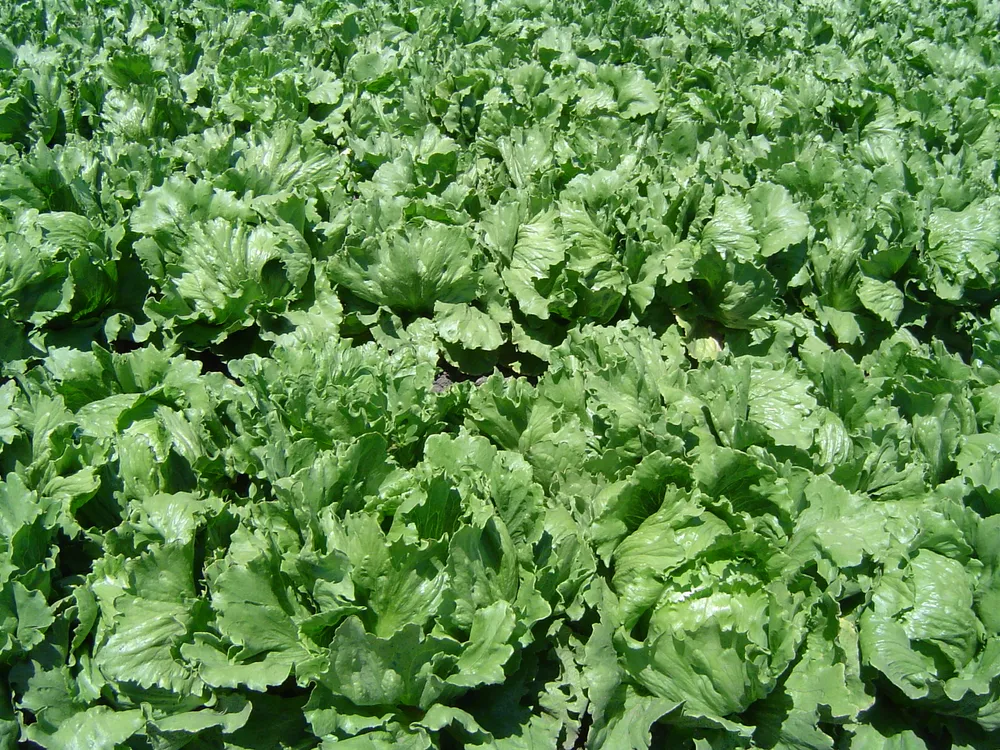
Taco Bell recently confirmed that it has proactively removed iceberg lettuce from the menus of some of its locations and halted the supply of the ingredient. This preventive measure was taken to ensure consumer safety while the U.S. Food and Drug Administration (FDA) conducts a food safety investigation into the company’s lettuce supply chain. While the company has not yet disclosed the specific locations affected, it emphasized that the move is intended to cooperate with regulatory authorities and maintain strict control over food safety risks.
As a widely produced leafy green, lettuce plays an indispensable role in modern dining. According to global agricultural data, the 2023 global production of lettuce and chicory reached 28 million tons, with China accounting for more than half of that total. Dating back to ancient Egypt, the plant was initially cultivated for its seed oil before evolving into a leafy crop for consumption. With the globalization of dietary habits, lettuce has become a standard component in fast food items such as salads, sandwiches, and wraps; however, its fragility and the complex structure of large-scale supply chains make it particularly sensitive within the food safety ecosystem.
This incident highlights the significant challenges large-scale chain restaurants face in supply chain management. Because fresh produce cannot be thoroughly sterilized through high-temperature processing to eliminate pathogens, contamination at the upstream level often triggers a chain reaction. FDA investigations into specific agricultural products typically stem from monitoring data that identifies potential pathogen risks, such as E. coli or Salmonella. For a multinational chain like Taco Bell with an extensive footprint, balancing the demand for fresh ingredients with the maintenance of rigorous hygiene standards has become a critical operational challenge.
Looking at the history of international food safety, leafy greens have frequently served as vectors for foodborne illnesses due to their raw consumption. The traceability systems for such products are extremely complex, involving multiple stages from farm harvesting and transportation to cold-chain logistics and in-store processing. In recent years, the FDA has strengthened the enforcement of its "Produce Safety Rule" to mitigate contamination risks at the source. For Taco Bell, even if only a small portion of suppliers is affected, "preventive discontinuation" has become the industry standard for responding to food safety crises in order to protect brand reputation and consumer health.
For Taiwan, although this incident is confined to the U.S. market and the local Taco Bell supply chain is not directly linked, the event serves as a significant reference for Taiwan’s fast food and restaurant industry. As Taiwanese consumers' demand for fresh salads and light meals continues to grow, establishing robust cold-chain monitoring and efficient product recall mechanisms is an issue that cannot be overlooked by operators managing large-scale supply systems. Furthermore, given Taiwan's high reliance on imported produce and international trade, domestic regulatory agencies and suppliers must continue to monitor international trends in food safety standards to ensure the dietary security of local consumers.
Produced by our editorial team, with AI assistance in editing.