
Swiss President Guy Parmelin Announces Resignation Effective December 31
Swiss President Guy Parmelin has announced his resignation from the Swiss Federal Council, effective December 31, triggering a scheduled parliamentary elec
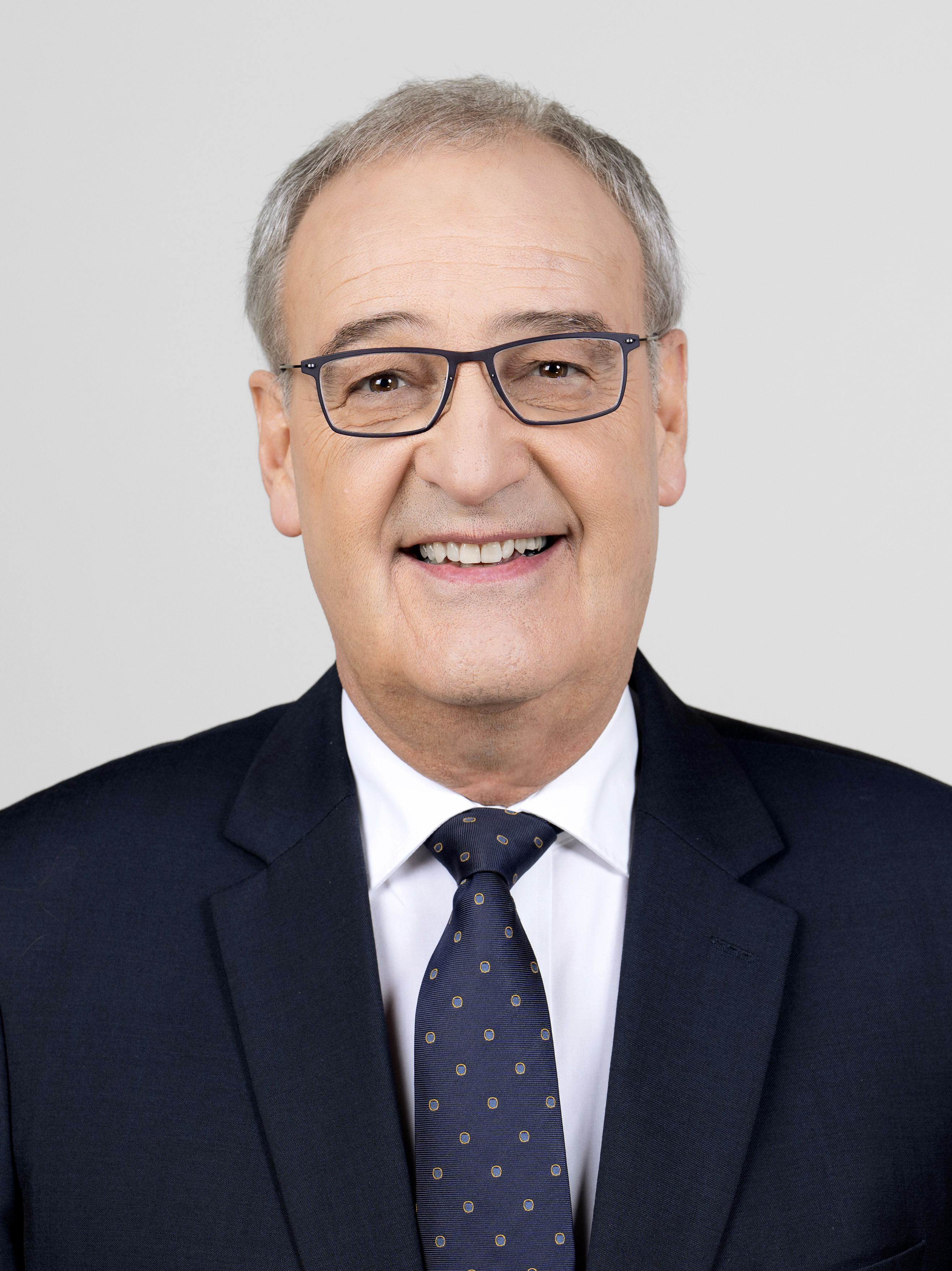
Swiss President Guy Parmelin has announced his resignation from the Swiss Federal Council, effective December 31, triggering a scheduled parliamentary election to choose his successor. The Swiss Federal Assembly is expected to convene on December 9 to elect a new member to the country’s seven-member executive branch, initiating a transition period at the highest level of Swiss governance.
Under Switzerland’s distinctive political system, the Federal Council functions as a collective executive body and serves jointly as the head of state. The federal president is chosen annually by the Federal Assembly from among the seven councillors, acting as a *primus inter pares*—first among equals. The president holds no overriding constitutional powers distinct from the other six ministers, maintaining direct leadership of an assigned government department while chairing council meetings and fulfilling diplomatic representational duties.
The planned succession follows established political conventions within Bern. Traditionally, the presidency rotates annually among the members of the Federal Council based on seniority, with the sitting vice president stepping into the role the following year. Parmelin’s departure from both the presidency and the council alters the internal balance of the executive body, requiring Parliament to select a new councillor who will not only inherit departmental responsibilities but also integrate into the rotating leadership schedule established by the Swiss Constitution.
While Switzerland’s system of governance is designed to ensure continuity and stability through consensus politics and collective responsibility, transitions within the Federal Council remain closely watched domestic events. The upcoming December vote will determine both the immediate leadership lineup for the executive branch and the broader political composition of the council, which must balance representation across Switzerland's major linguistic and political factions.
For the international community and global trading partners, including Taiwan and other advanced export economies, Switzerland’s governance continuity is vital for maintaining steady bilateral relations and economic cooperation. As a key global hub for finance, specialized manufacturing, and precision engineering, Bern remains an important partner in multilateral forums. Stability within the Federal Council ensures that Switzerland’s long-standing policy of neutrality and its regulatory frameworks governing international trade and technology exchanges will experience no disruption during the administrative handover.
Produced by our editorial team, with AI assistance in editing.