Swedish Prime Minister Ulf Kristersson Resigns Following Narrow Election Defeat
Swedish Prime Minister Ulf Kristersson formally announced his resignation following a tightly contested general election that saw his incumbent right-wing
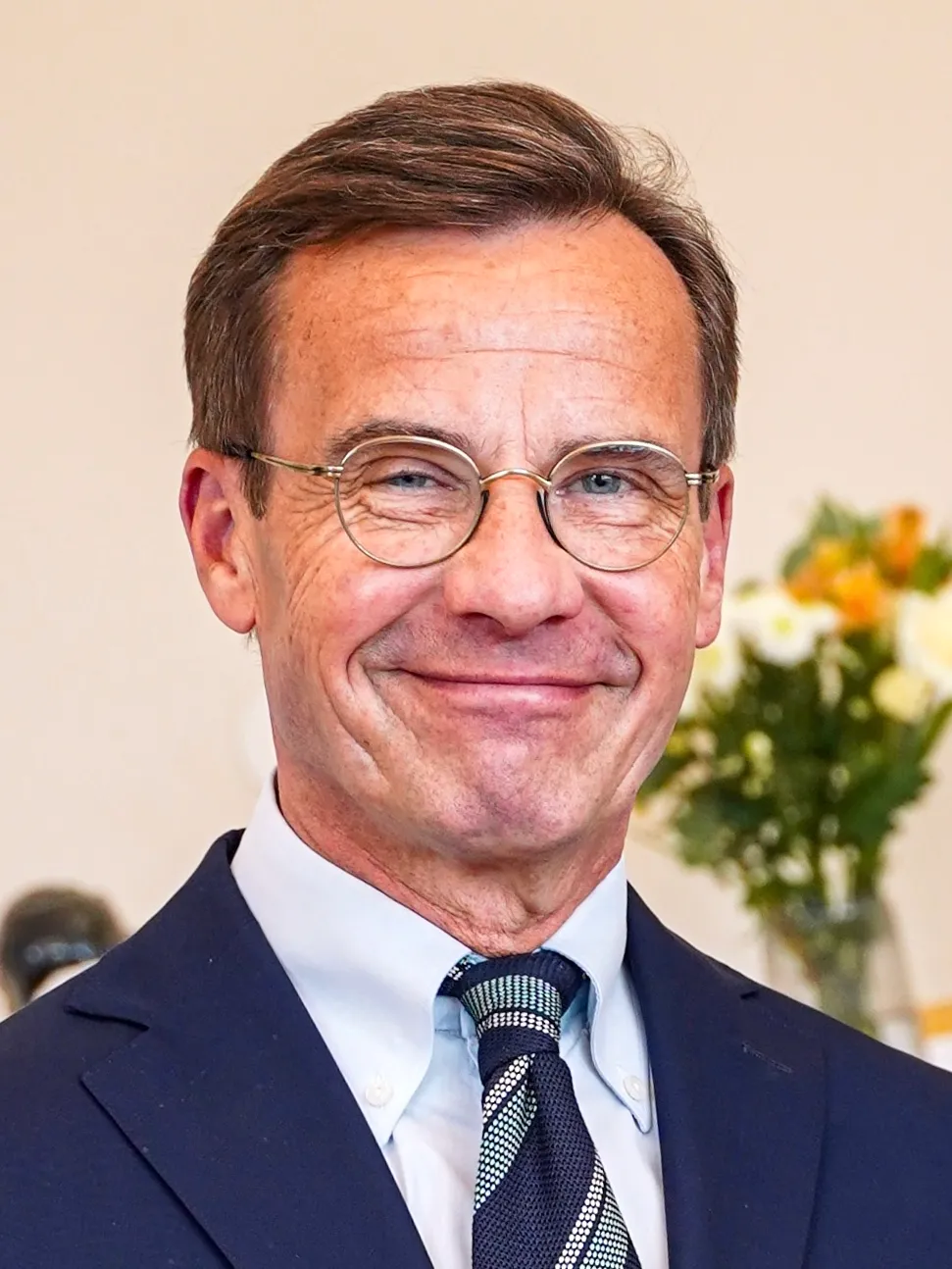
Swedish Prime Minister Ulf Kristersson formally announced his resignation following a tightly contested general election that saw his incumbent right-wing coalition narrowly unseated in the Riksdag. Final election results confirmed that Kristersson’s governing bloc secured 173 seats, falling just short of the 176 seats won by the opposing bloc led by former Prime Minister Magdalena Andersson. Having served in a caretaker capacity since the September vote, Kristersson’s departure paves the way for a new political alignment in Stockholm.
Kristersson, who has led the conservative Moderate Party since 2017, came to power in October 2022 by forming a minority government comprising the Moderates, Christian Democrats, and Liberals. That administration relied on an external confidence-and-supply arrangement with the nationalist Sweden Democrats, formalized under the Tidö Agreement. During his tenure, Kristersson’s administration pursued a distinct rightward shift in Swedish domestic and foreign policy, prioritizing a comprehensive tightening of immigration controls alongside expanded preventive powers for law enforcement agencies.
Under Kristersson’s leadership, Sweden's migration policies underwent a historic contraction. By 2024, the number of asylum-related residence permits granted in the country fell to its lowest level since 1985. Concurrently, his government implemented a robust law-and-order agenda, driven by concerns over organized crime and gang violence, which had dominated Swedish political discourse in preceding years. These domestic priorities were balanced against significant geopolitical shifts, most notably Sweden's formal integration into Western security structures.
Externally, Kristersson’s administration fundamentally reshaped Sweden’s strategic posture by steering the nation through the complex diplomatic and political processes required to complete its accession to NATO. Amidst heightened security tensions in Europe, his government also oversaw a substantial increase in national defense expenditures and consistently expanded humanitarian and military support for Ukraine. The dual focus on alliance integration and European security defined much of his foreign policy legacy, marking a historic departure from Sweden's traditional policy of military non-alignment.
The transition of power in Stockholm carries broader implications for European geopolitical stability, regional security architecture, and Nordic cooperation within the European Union. As Sweden’s incoming administration prepares to navigate ongoing European security challenges and shifting economic dynamics, the nation's steadfast commitments to NATO and robust defense spending are widely expected to remain intact. For partners in the broader democratic community, including advanced economies in the Indo-Pacific, Sweden remains a critical node in collaborative technological supply chains and defense innovation, ensuring that Stockholm's political trajectory retains international significance.
Produced by our editorial team, with AI assistance in editing.