
Sun Goddess and Emphatic Secure Landmark Victories at Breeders' Cup Championships
Thoroughbred racing witnessed a defining display of juvenile talent over the weekend as the racehorse Sun Goddess delivered a commanding performance to cap
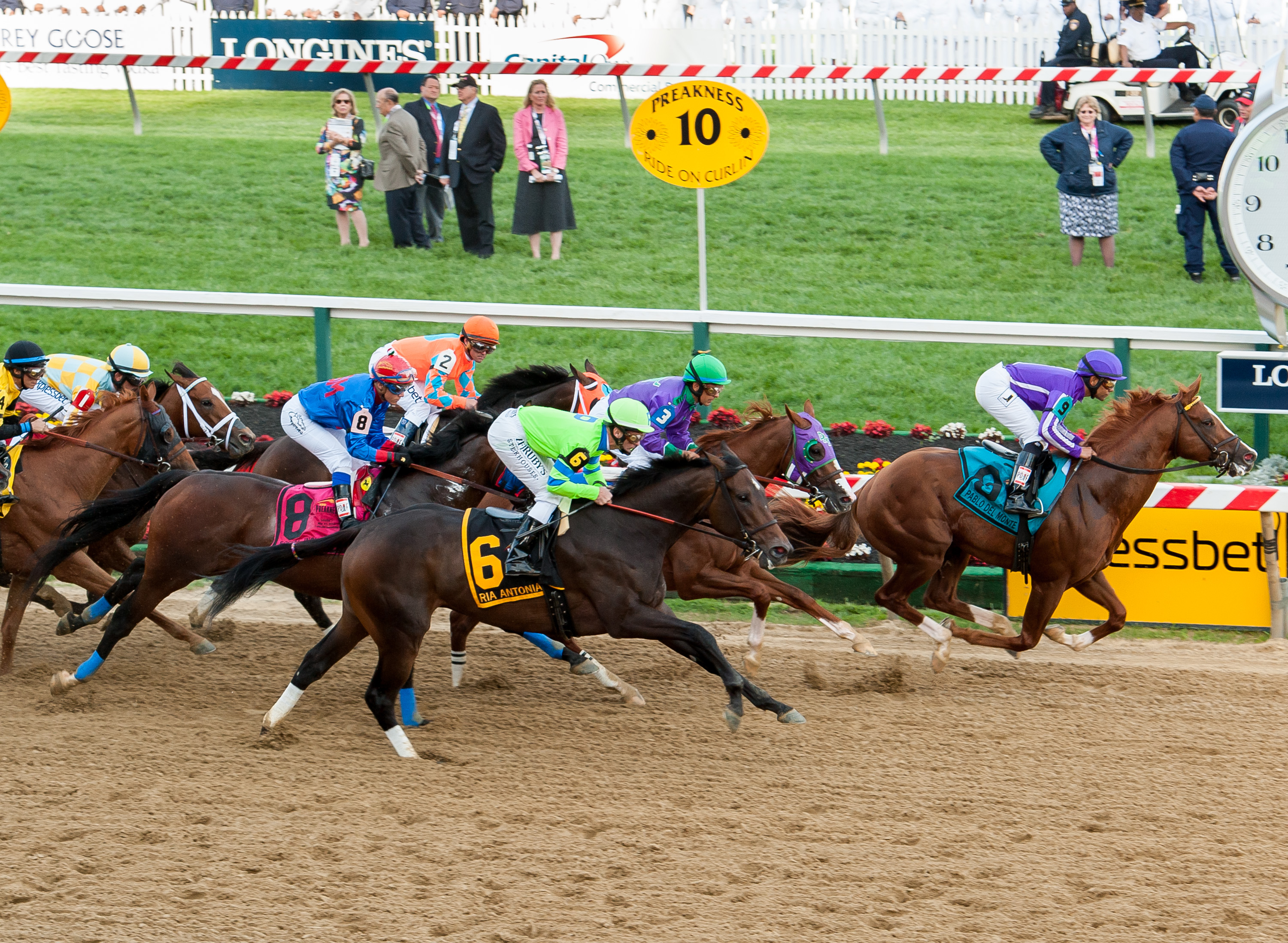
Thoroughbred racing witnessed a defining display of juvenile talent over the weekend as the racehorse Sun Goddess delivered a commanding performance to capture the Juvenile Fillies Turf at the Keeneland racetrack in Lexington, Kentucky. The victory, achieved during the prestigious Breeders’ Cup world championships, highlighted exceptional stamina and tactical positioning on the firm turf. In the companion dirt event, Emphatic secured a decisive win in the Juvenile Fillies, capping a high-stakes weekend of North American racing that drew top-tier contenders from across the globe.
These performances unfolded against a complex backdrop for the broader Thoroughbred industry. As a globally integrated sport encompassing both flat racing and jump variations—such as steeplechasing in the United States and National Hunt racing in the United Kingdom—Thoroughbred racing is regulated by fragmented national bodies that set distinct standards for breeding, wagering, and equine welfare. While marquee events like the Breeders' Cup continue to attract substantial prize money and international attention, the operational landscape of the sport is evolving rapidly under external pressures.
Industry stakeholders and regulatory bodies currently face mounting scrutiny regarding the sustainability and public perception of the sport. According to reports from mainstream sports journalism, including coverage by *The Guardian*, Thoroughbred racing has experienced a steady decline in popularity worldwide over recent decades. This downward trend in attendance and general public engagement is compounded by severe welfare concerns, notably the statistic that between 700 and 800 racehorses perish annually from racing-related injuries or breakdowns worldwide, prompting intense debates over track safety, medication rules, and the ethical limits of equine athletics.
In response to these systemic challenges, track operators and racing authorities in key jurisdictions like Kentucky have increasingly prioritized safety reforms, investing heavily in surface maintenance, diagnostic imaging technology, and stricter veterinary oversight to mitigate catastrophic injuries. While elite competitors like Sun Goddess and Emphatic continue to showcase the pinnacle of equine athletic potential and breeding excellence, the long-term viability of the industry increasingly depends on its ability to balance traditional prestige with modern standards of animal welfare and public accountability.
Produced by our editorial team, with AI assistance in editing.
