Sudanese Airstrike in Kadugli Injures Eight Women and Children
On Tuesday, a Sudanese airstrike struck the outskirts of Kadugli, the capital of South Kordofan state, injuring eight women and children. The attack, repor
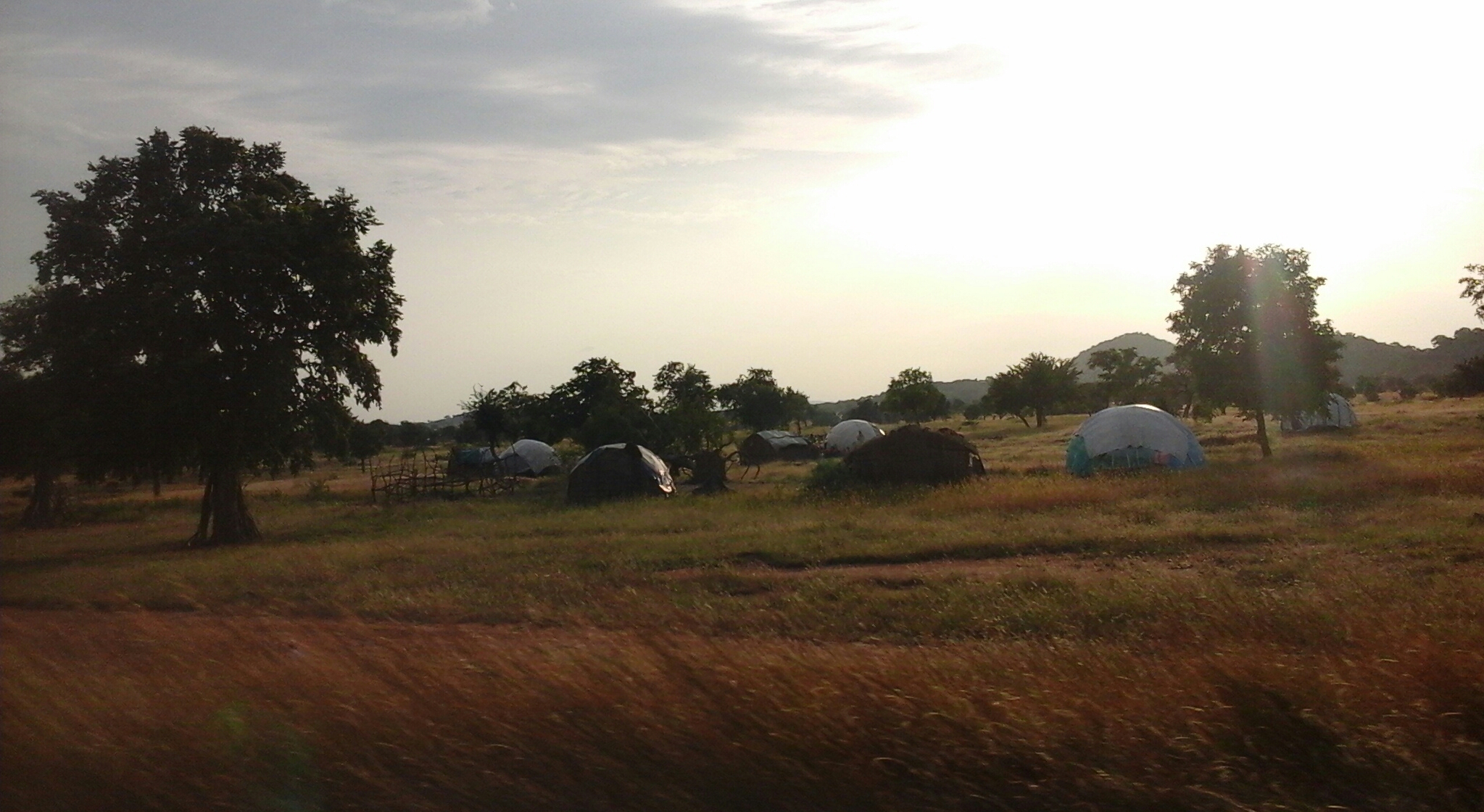
On Tuesday, a Sudanese airstrike struck the outskirts of Kadugli, the capital of South Kordofan state, injuring eight women and children. The attack, reported by local residents and confirmed by independent observers, came amid escalating violence that has left thousands of civilians displaced across the region. The strike occurred near a residential area that had previously been used for humanitarian aid distribution, raising concerns about the targeting of non‑combatants.
Kadugli sits 240 kilometres south of the national capital, Omdurman, at the edge of the White Nile plain in the Nuba Mountains. As the administrative center of South Kordofan, it hosts key government offices, a major hospital, and the Hilal Stadium, a venue that has hosted national sporting events. The city’s strategic position makes it a focal point for both the Sudanese armed forces and rebel factions that seek greater autonomy for the southern states.
The conflict that has engulfed Sudan since the 2019 revolution has evolved into a multi‑front civil war. In 2023, fighting broke out between the Sudanese National Army (SNA) and the Sudan People’s Liberation Movement‑North (SPLM‑N), a rebel group that has long campaigned for self‑determination in South Kordofan and the neighboring Blue Nile state. The SNA claims it is pursuing a “clean‑up” operation against insurgents threatening national security, while the SPLM‑N accuses the army of targeting civilians and violating international humanitarian law. The latest airstrike follows a series of attacks that have already destroyed several civilian structures and disrupted aid deliveries.
International observers and human rights organisations have called for an immediate ceasefire and independent investigations into alleged war crimes. The United Nations has urged both parties to respect the Geneva Conventions and to allow humanitarian workers unhindered access to affected areas. Meanwhile, the Sudanese government maintains that all military operations are conducted with precision and that any civilian casualties are unintended. The SPLM‑N has vowed to intensify its campaign if the army continues to use heavy artillery and air power in populated districts.
The incident underscores the broader humanitarian crisis unfolding in Sudan. With over 2 million people displaced nationwide, the conflict threatens to strain already fragile supply chains that rely on Sudan’s transport corridors to move goods from the Gulf of Aden to sub‑Saharan Africa. Moreover, Sudan’s oil exports and the Nile’s water flow are critical to regional economies; any escalation could disrupt energy supplies and agricultural production downstream. The targeting of civilians also risks drawing international sanctions and could affect foreign investment in the country’s key sectors, including mining and agriculture. As the world watches the situation unfold, the need for a negotiated settlement becomes ever more urgent to prevent further destabilisation of a region that plays a pivotal role in global trade and security.
Produced by our editorial team, with AI assistance in editing.