
Study links 82% of Bangladesh measles deaths to insufficient breastfeeding
A new analysis released this week by the Bangladesh Shishu Hospital & Institute (BSHI) has found that roughly 82 percent of children who died during the co
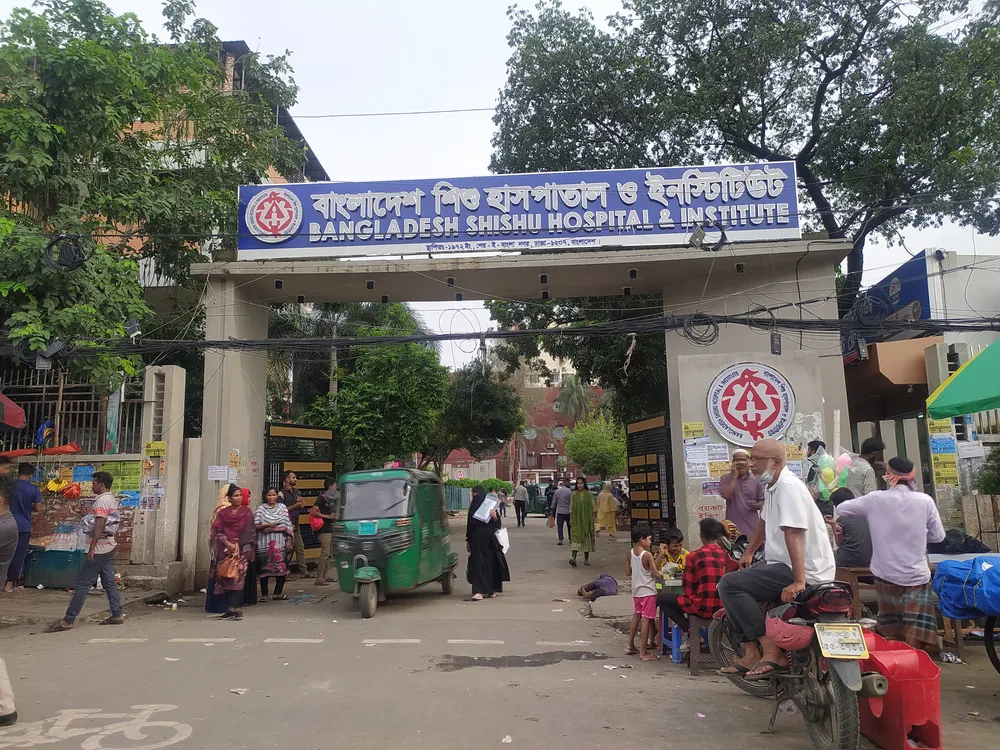
A new analysis released this week by the Bangladesh Shishu Hospital & Institute (BSHI) has found that roughly 82 percent of children who died during the country’s recent measles surge had not received adequate or exclusive breastfeeding in the first six months of life. The study, based on medical records from the Dhaka‑based pediatric centre, underscores a stark correlation between early‑life nutrition and mortality in a disease that the World Health Organization says remains a leading cause of child death in low‑income settings.
The findings arrive against the backdrop of Bangladesh’s largest measles outbreak in a decade, which the Ministry of Health and Family Welfare says has claimed more than 300 lives since its onset in early 2024. While vaccination campaigns have intensified, the BSHI report points to a complementary, yet under‑addressed, factor: infant feeding practices. Exclusive breastfeeding for the first six months is widely recognised by the United Nations Children’s Fund (UNICEF) and the WHO as a key protective measure against infectious diseases, providing antibodies that can reduce the severity of viral infections such as measles. In Bangladesh, however, cultural norms, maternal employment patterns and limited access to lactation support have contributed to sub‑optimal breastfeeding rates, according to the institute’s pediatric nutrition department.
Public health officials in Dhaka have welcomed the study, saying it adds a crucial dimension to the nation’s disease‑prevention strategy. “Vaccination is the cornerstone of measles control, but it cannot be the sole line of defence,” said Dr. Farhana Haque, director of the Ministry’s Immunisation Programme. “Improving breastfeeding coverage is a cost‑effective, community‑based intervention that can strengthen infants’ immune systems and reduce fatality rates, especially in the early stages of an outbreak.” The government has pledged to expand its “Mothers’ Milk” initiative, which trains community health workers to provide breastfeeding counselling and to set up mother‑friendly spaces in workplaces and public venues.
Non‑governmental organisations and international partners are also weighing in. UNICEF Bangladesh, which has long advocated for exclusive breastfeeding, plans to scale up its “Baby‑Friendly Hospital Initiative” in collaboration with BSHI, aiming to certify at least 30 additional hospitals by the end of 2025. Meanwhile, local NGOs such as BRAC are launching door‑to‑door education campaigns in high‑risk districts, targeting misconceptions about breast milk and promoting early initiation of feeding within the first hour after birth. Critics, however, caution that without addressing broader socioeconomic barriers—such as maternal nutrition, maternity leave policies, and access to clean water—the impact of these programmes may be limited.
The study’s implications extend beyond Bangladesh’s borders. Measles remains endemic in several South‑Asian nations, and the interlinked challenges of vaccine coverage and infant nutrition are common across the region. For Taiwan, which has positioned itself as a contributor to global health security through medical aid and expertise sharing, the findings highlight potential avenues for cooperation. Taiwanese health agencies have previously dispatched experts to support outbreak response in neighboring countries, and the data from BSHI could inform joint training programmes on lactation support and community health outreach. Strengthening early‑life nutrition not only curtails disease mortality but also aligns with Taiwan’s broader objectives of fostering resilient health systems and securing stable supply chains for essential medical commodities in the Indo‑Pacific.
Produced by our editorial team, with AI assistance in editing.