
Spanish Island of El Hierro Declares Emergency Amid Unprecedented Migrant Surge
Authorities on the remote Spanish island of El Hierro have declared a state of emergency following an unprecedented influx of more than 3,300 migrants and
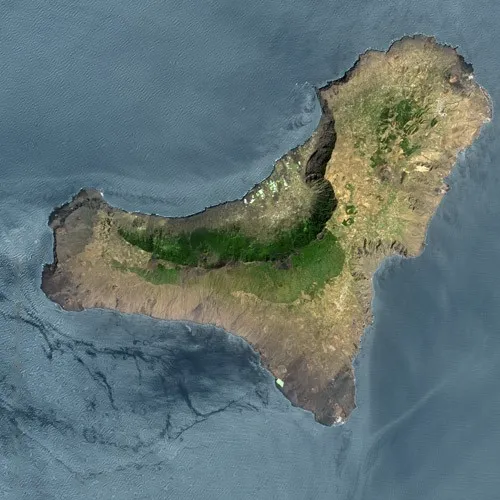
Authorities on the remote Spanish island of El Hierro have declared a state of emergency following an unprecedented influx of more than 3,300 migrants and refugees arriving by boat over the course of this month. The sudden surge has overwhelmed local infrastructure on the Atlantic island, prompting municipal and regional officials to seek urgent assistance from the central government in Madrid and the European Union to manage the humanitarian crisis.
El Hierro, the southernmost and westernmost of the Canary Islands off the northwest coast of Africa, has a permanent population of just under 12,000 residents. Spanning approximately 268 square kilometres, the island’s limited resources and small-scale municipal services are severely strained by the daily arrival of hundreds of individuals rescued from overcrowded wooden boats, known locallyas *cayucos*, after perilous Atlantic crossings from the African mainland.
The Canary Islands route has long been one of the most dangerous migration pathways into Europe, heavily utilized by individuals fleeing conflict, poverty, and political instability in West Africa. While the archipelago has experienced cyclical waves of migration over the past two decades, recent geopolitical instability, economic pressures, and intensified patrols in the Mediterranean have redirected a larger volume of maritime traffic toward the Atlantic route, catching local authorities increasingly unprepared for the scale of the arrivals.
Central government authorities in Madrid, alongside regional Canarian officials, are now scrambling to establish emergency reception centers and deploy additional medical and security personnel to the island. However, the logistical challenge of transferring thousands of arrivals from El Hierro to larger facilities on Tenerife or mainland Spain remains a significant bottleneck, leaving local communities to shoulder the immediate burden of food, shelter, and basic humanitarian care.
The situation in the Canary Islands highlights the broader structural vulnerabilities within Europe’s southern border management and the ongoing friction between regional authorities and national governments over resource allocation and burden-sharing. As migratory pressures along the Atlantic corridor show little sign of abating, the crisis on El Hierro underscores the urgent need for a coordinated, long-term European migration policy that can sustainably support peripheral frontline territories facing sudden humanitarian emergencies.
Produced by our editorial team, with AI assistance in editing.
