
Sovereignty Wins Breeders' Cup Classic Amid Industry's Global Decline
Thoroughbred racehorse Sovereignty claimed victory in the Breeders’ Cup Classic at the Keeneland racetrack in Lexington, Kentucky, delivering a commanding
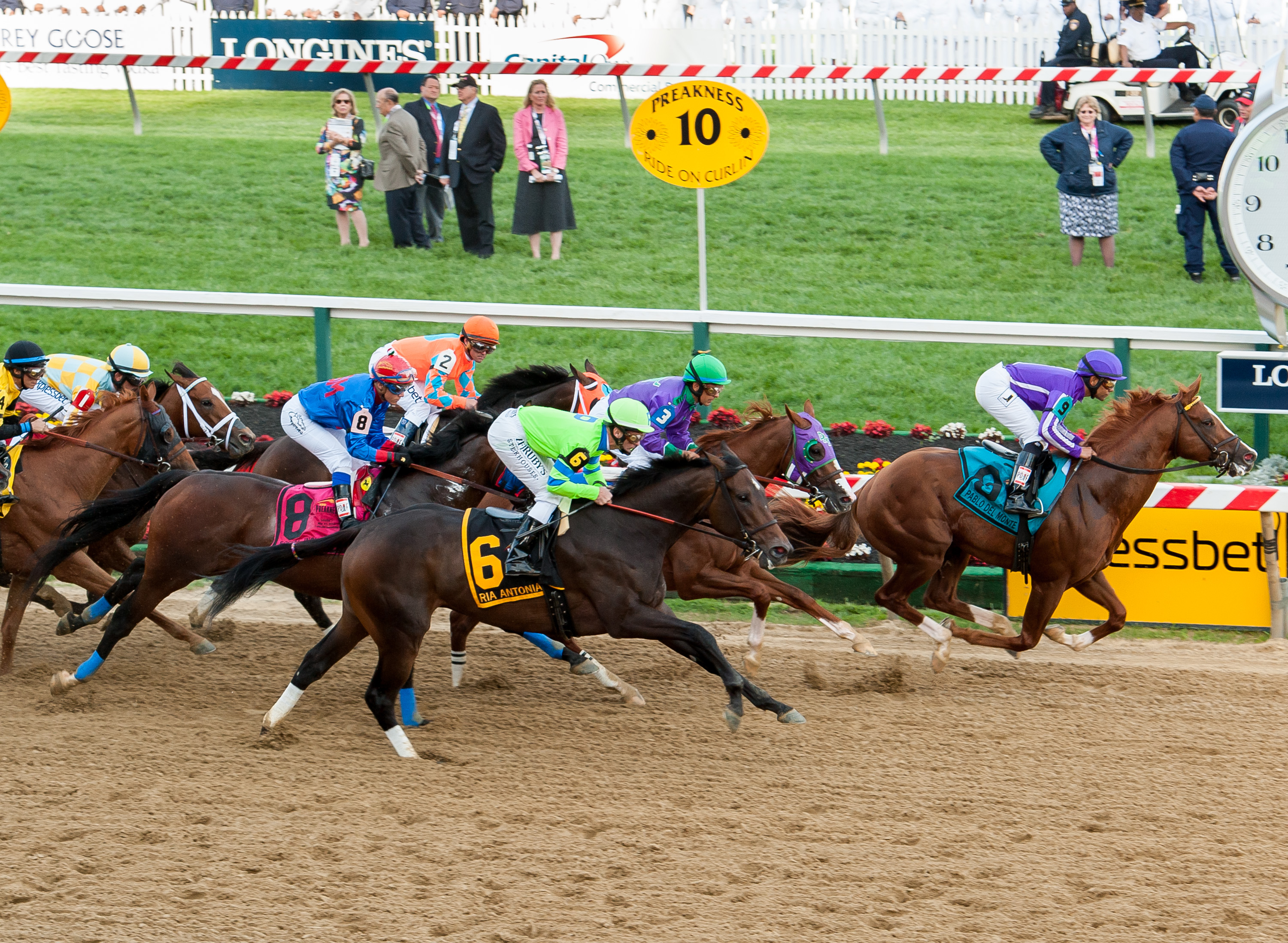
Thoroughbred racehorse Sovereignty claimed victory in the Breeders’ Cup Classic at the Keeneland racetrack in Lexington, Kentucky, delivering a commanding performance on the American racing calendar’s marquee stage. The win places the champion at the pinnacle of the international sport, drawing global attention to the traditional equestrian discipline even as the wider industry navigates a period of significant structural and cultural transition.
The Breeders’ Cup, historically one of the richest and most prestigious events in global horse racing, brings together elite competitors from across North America and Europe. Yet Sovereignty’s triumph unfolds against a complex backdrop for the sport at large. According to reporting from *The Guardian*, Thoroughbred racing has experienced a steady decline in popularity worldwide over recent decades, driven by shifting public entertainment preferences, economic pressures on breeding operations, and rising scrutiny over animal welfare standards.
Governance of Thoroughbred racing remains fragmented, managed by a patchwork of distinct national bodies rather than a single unified international federation. The sport is primarily contested in two forms: flat racing, which predominates in major international stakes and global showcase events, and jump racing—known as National Hunt racing in the United Kingdom and steeplechasing in the United States. Jump racing is further divided into hurdling and steeplechase events, each presenting unique physical demands on the equine athletes.
In recent years, industry stakeholders and regulatory bodies have faced mounting pressure from animal rights organizations and the public regarding equine safety. Data indicates that between 700 and 800 racehorses die annually from injuries sustained during racing or training globally. These mortality figures have galvanized calls for stricter veterinary oversight, enhanced track safety measures, and re-evaluations of race-day medication policies, creating a delicate balancing act for track operators seeking to preserve the sport's heritage while modernizing its safety protocols.
Produced by our editorial team, with AI assistance in editing.