South Sudan's Kordofan Region Declares Cholera Outbreak, Global Community Faced with New Challenge.
The government of South Sudan's Kordofan region has officially confirmed the outbreak of cholera, according to reports. Laboratory tests have confirmed the
The government of South Sudan's Kordofan region has officially confirmed the outbreak of cholera, according to reports. Laboratory tests have confirmed the existence of cholera cases in the region, following several weeks of acute watery diarrhea cases in the western part of Kordofan region. These cases have been characterized by severe diarrhea, vomiting, and muscle cramps, which can be life-threatening.
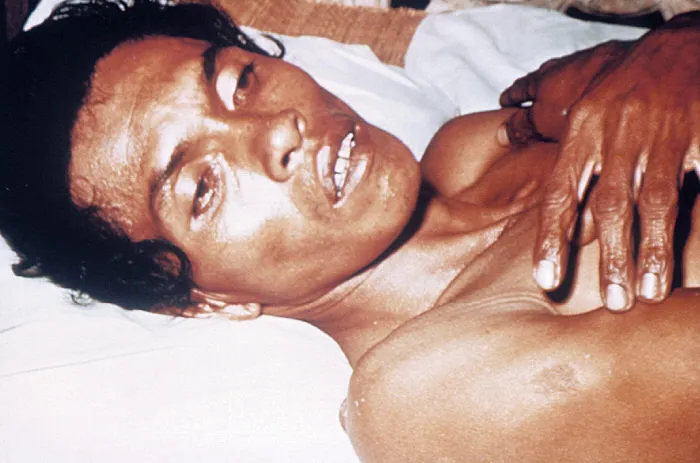
Cholera is an infection caused by certain strains of the Vibrio cholerae bacterium, primarily affecting the small intestine. Symptoms can range from none to moderate to severe and typically include prolonged diarrhea lasting several days. Patients may also experience vomiting and muscle cramps. Severe diarrhea can lead to rapid dehydration and electrolyte imbalances within a few hours, resulting in sunken eyes, pale skin, decreased skin elasticity, and wrinkled hands and feet, potentially leading to death. Symptoms usually appear within two to five days of exposure to the pathogen.
Cholera is primarily spread through contaminated water and food, particularly uncooked seafood, especially if not thoroughly cooked. Humans are the known host of the cholera bacterium. Risk factors for cholera include poor sanitation, lack of clean drinking water, and poverty. Cholera can be diagnosed through stool testing or rapid tests, although the accuracy of rapid tests is lower.
Prevention methods for cholera include improving sanitation, increasing access to clean drinking water, and raising public awareness of health and hygiene. These measures can effectively reduce the spread of cholera, especially in areas with poor sanitation. Additionally, improving public health knowledge is an essential aspect of preventing cholera.
The outbreak of cholera in South Sudan's Kordofan region poses a significant threat to the health and safety of local residents. Due to the region's limited sanitation and medical resources, controlling and preventing the spread of the disease will be a major challenge. International society needs to pay attention to this issue and provide necessary assistance and support to help the local government and people deal with the outbreak and safeguard public health.
Although the cholera outbreak in South Sudan's Kordofan region does not have a direct association with Taiwan, it serves as a reminder of the importance of global health security. As a region with relatively rich medical resources, Taiwan needs to continue to strengthen international cooperation, share experiences and techniques in disease prevention and control, and help other countries and regions improve their sanitation and healthcare systems to address global health challenges together. At the same time, Taiwan should continue to monitor global epidemic trends, prepare for prevention and response, and ensure public health and safety at home.
Produced by our editorial team, with AI assistance in editing.