South Africa's National Team Makes History by Qualifying for World Cup Knockout Stage
South Africa's national football team achieved a historic feat at the recent World Cup, beating South Korea 1-0 in their final group stage match to advance
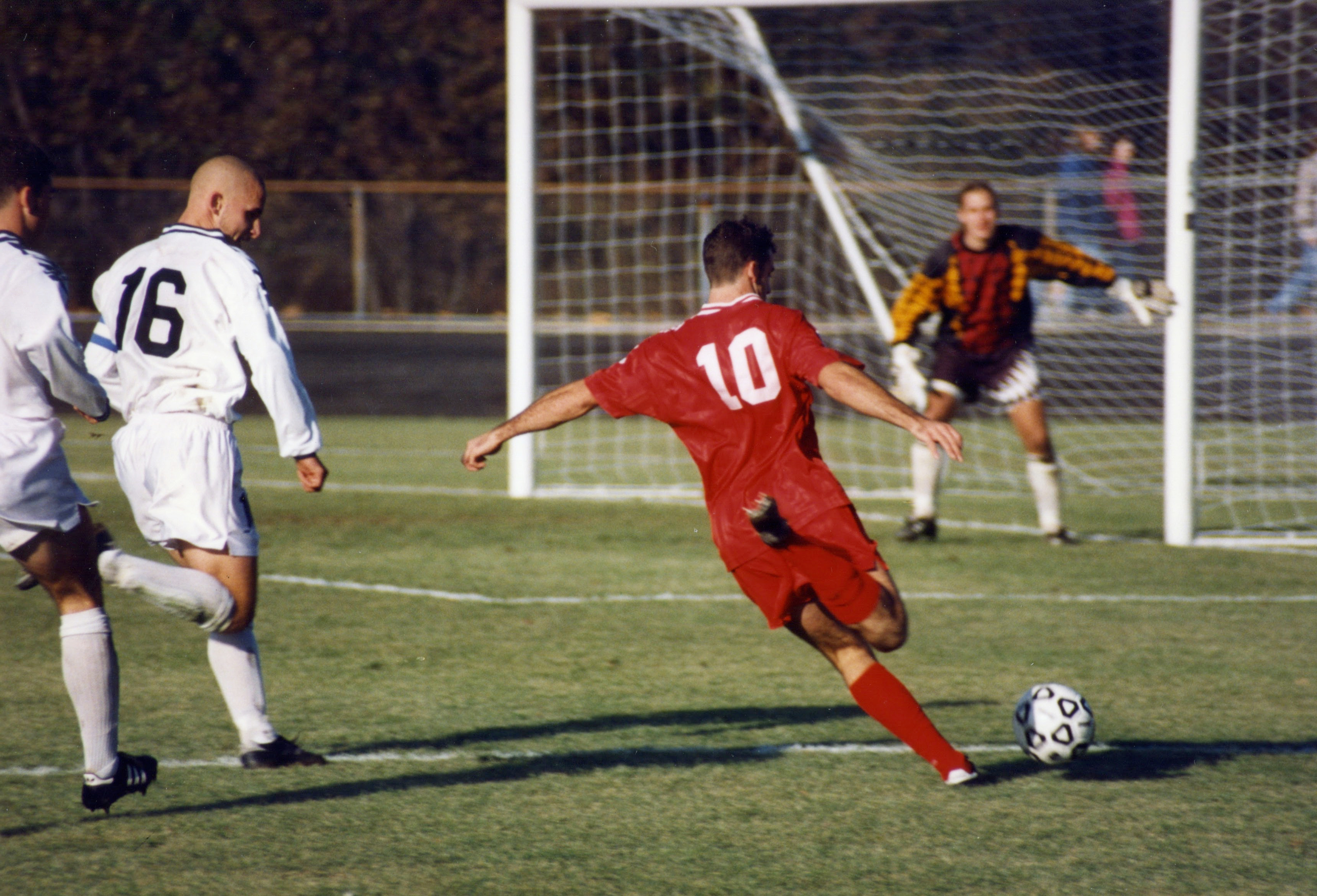
South Africa's national football team achieved a historic feat at the recent World Cup, beating South Korea 1-0 in their final group stage match to advance to the knockout stage and finish in second place in their group. Concurrently, co-hosts Canada and Bosnia and Herzegovina also made their first-ever advancement to the knockout stage, finishing second and third in their respective groups.
Football is one of the world's most popular sports, with an estimated 250 million participants across over 200 countries and regions. The objective of football is to score more goals than the opposing team by kicking the ball into their goal. Traditionally, football matches are divided into two 45-minute halves, with a total match time of 90 minutes. Football matches are governed by the Laws of the Game, a set of rules that have been in effect since 1863 and maintained by the International Football Association Board (IFAB) since 1886. Footballs used in matches have a diameter of approximately 68-70 centimeters. Players primarily use their feet to control, shoot, or pass the ball while on the field, but can also use other parts of their body, excluding their arms, and including their heads, chests, and thighs. Only goalkeepers are allowed to use their arms within their penalty area.
South Africa's advancement to the knockout stage holds significant importance for the country's football development. South Africa was the host country of the 2010 World Cup, but its national team failed to advance to the knockout stage at that time. This achievement not only serves as a validation of South Africa's football development but also as an encouragement to the country's football players.
Canada and Bosnia and Herzegovina's advancement also demonstrate the progress and potential of football development in these countries. As a global sport, international football matches are not only athletic competitions but also cultural exchanges and displays of national image. South Africa, Canada, and Bosnia and Herzegovina's advancements not only serve as a testament to their respective countries' abilities but also as a contribution to the development of global football.
The development of football in these countries can serve as a model and inspiration for other nations, driving the progress and development of global football. The conduct of football matches requires not only individual player skills but also teamwork coordination and strategy. South Africa, Canada, and Bosnia and Herzegovina's advancements are the result of collective efforts by players, coaches, and fans, demonstrating the value of team spirit and cooperation. The development of football in these countries can provide lessons and inspiration for other nations in terms of team management and cooperation, driving the progress and development of global football.
For Taiwan, South Africa, Canada, and Bosnia and Herzegovina's advancements may not have a direct connection, but the development of football in these countries can serve as a model and inspiration for Taiwan. Taiwan's football development should also focus on individual player skills and teamwork coordination and strategy, while also requiring government and public support and cooperation. By learning from and emulating the football development experiences of other countries, Taiwan can drive its own football progress and development, enhancing its national football level and international influence.
Produced by our editorial team, with AI assistance in editing.