
Small Plane Crashes into China World Tower in Beijing, Pilot Dies, Multiple Injured
A shocking incident occurred recently in Beijing, China, where a small aircraft collided with the China World Tower, resulting in the death of the pilot an
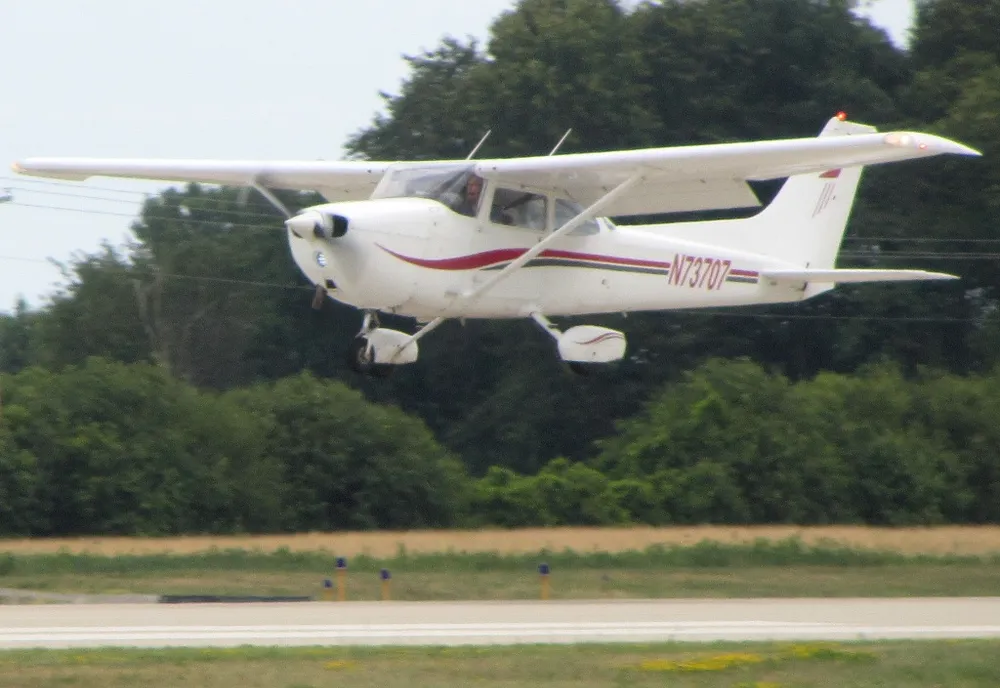
A shocking incident occurred recently in Beijing, China, where a small aircraft collided with the China World Tower, resulting in the death of the pilot and injuring 13 other people. The accident has left local residents and tourists stunned, while also raising concerns about aerial safety in the city.
According to available data, small aircraft typically refer to planes with a maximum takeoff weight of no more than 12,500 pounds (approximately 5,670 kilograms). These types of aircraft are widely used in the civil aviation sector for small passenger and cargo transportation, tourism, photography, agricultural spraying, and personal flying, as well as military operations. Examples of typical representatives of this aircraft category include the de Havilland Canada DHC-6 Twin Otter and the Cessna 200 Super King Air. Due to their small size and high maneuverability, these aircraft are often used for short-distance flights and low-altitude operations, particularly in urban areas.
The incident has prompted authorities and relevant departments to investigate the cause of the plane crash. At present, it is unclear whether the pilot had sufficient flying experience and whether the aircraft was well-maintained. However, the incident has raised concerns about aerial safety in urban areas. The China World Tower is a well-known landmark in Beijing, standing at 108 floors. The collision has left residents and tourists in the surrounding area shocked.
Following the incident, local firefighters and emergency responders quickly arrived at the scene to provide rescue efforts. The injured individuals have been transported to hospitals for treatment, and the pilot's family has been notified. The incident has sparked a discussion about urban aerial safety, with many questioning the safety of small aircraft flying in urban airspace.
The Chinese government and relevant departments have begun to investigate the cause of the incident while reassessing measures for urban aerial safety. This incident serves as a reminder of the importance of urban aerial safety, which requires the joint attention and efforts of relevant departments and the public.
For Taiwan, this incident has certain implications for aviation safety and urban management. Taiwan has long prioritized aviation safety, and relevant departments have been working to improve and enhance aviation safety measures. The incident serves as a reminder that Taiwan needs to continue strengthening its aviation safety measures and paying attention to urban aerial safety issues to prevent similar incidents from occurring. For regional readers, this incident also serves as a reminder to pay attention to international aviation safety issues and to enhance regional cooperation and exchange to improve aviation safety levels.
Produced by our editorial team, with AI assistance in editing.
