Six Killed in Tupolev Tu-154 Aircraft Crash in Russia's Far East
Six people have been killed following the crash of a Tupolev Tu-154 aircraft near the settlement of Krasnoyarovo in Russia’s Amur Oblast. According to prel
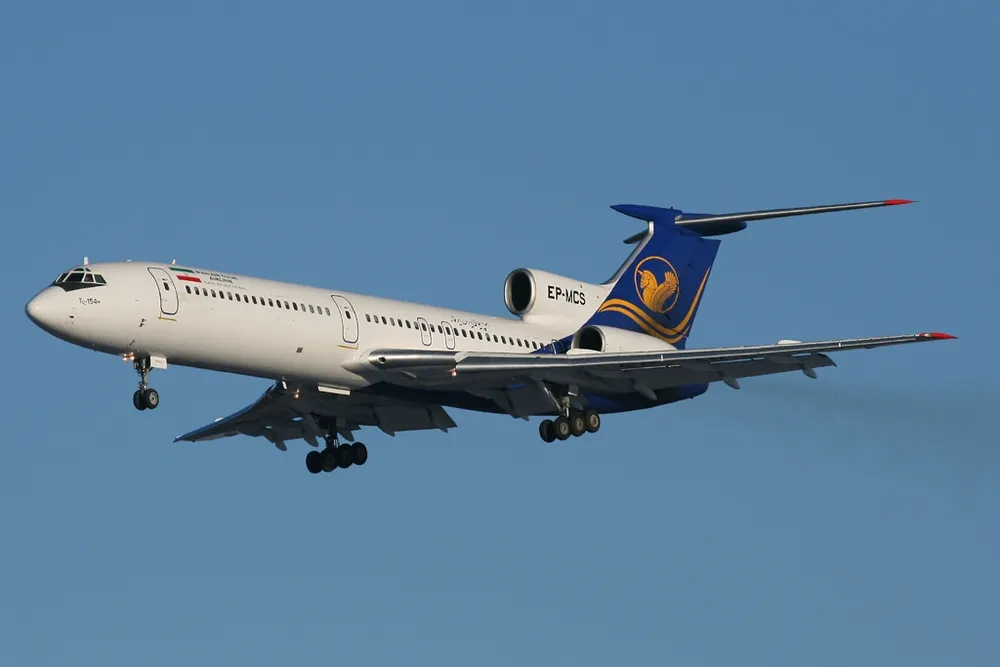
Six people have been killed following the crash of a Tupolev Tu-154 aircraft near the settlement of Krasnoyarovo in Russia’s Amur Oblast. According to preliminary reports from emergency services, the flight was carrying a crew of seven when the accident occurred in the country’s Far East, leaving only one survivor who is currently receiving medical treatment. Russian aviation authorities have launched an investigation to determine the exact cause of the disaster, examining factors ranging from potential technical malfunctions to extreme weather conditions prevalent in the region.
The incident places renewed scrutiny on the operational safety and longevity of the Tu-154, a tri-jet narrow-body airliner that has served as a cornerstone of Soviet and Russian civil and state aviation for over half a century. Designed by the Tupolev bureau in the mid-1960s, the aircraft historically functioned as the definitive workhorse for Aeroflot and numerous regional carriers. At its peak near the end of the Soviet era, the type handled the vast majority of domestic passenger traffic, establishing a reputation for rugged durability across vast geographical expanses.
Engineered specifically to endure demanding environments, the Tu-154 was built with distinct operational capabilities, including the ability to take off and land on unpaved and gravel airstrips equipped with only minimal ground infrastructure. This versatility made it indispensable for navigating the severe Arctic conditions of Russia’s northern and eastern territories, where modern Western airliners often struggled to operate. While original design specifications anticipated a service life of 45,000 flight hours, numerous airframes underwent structural upgrades that extended their operational capacity to 80,000 hours.
Despite its historical importance, the aircraft has faced progressive phase-outs in recent decades. Stricter international noise regulations enacted by Western nations ultimately barred the loud, legacy jets from European airspace, while the introduction of more fuel-efficient, modern narrow-body aircraft from Boeing and Airbus led to its gradual retirement from mainstream commercial routes. In later years, the remaining fleet was largely relegated to specialized roles, including military transport, state-level official duties, and niche regional routes operated within Russia and select post-Soviet states.
While the accident is primarily a domestic tragedy for Russia, incidents involving aging Soviet-era aircraft hold broader implications for regional transport safety and regulatory oversight in countries relying on legacy fleets. As Russia continues to grapple with Western sanctions that severely restrict access to modern aircraft parts and maintenance services, the continued reliance on older, legacy airframes like the Tu-154 underscores the mounting logistical and safety challenges facing the country's broader aviation sector.
Produced by our editorial team, with AI assistance in editing.