
Six Killed and Eleven Injured After Passenger Bus Overturns in Colombia
At least six people were killed and eleven others injured on Monday when a passenger bus overturned on a major transport corridor connecting the municipali
At least six people were killed and eleven others injured on Monday when a passenger bus overturned on a major transport corridor connecting the municipalities of Garzón and Neiva in south-central Colombia. Emergency responders and local authorities rushed to the scene along the heavily traveled regional highway in the Huila Department to extract trapped passengers and transport the wounded to nearby medical facilities. Preliminary investigations into the cause of the accident remain underway, though transport officials are examining factors including road conditions and vehicle speed.
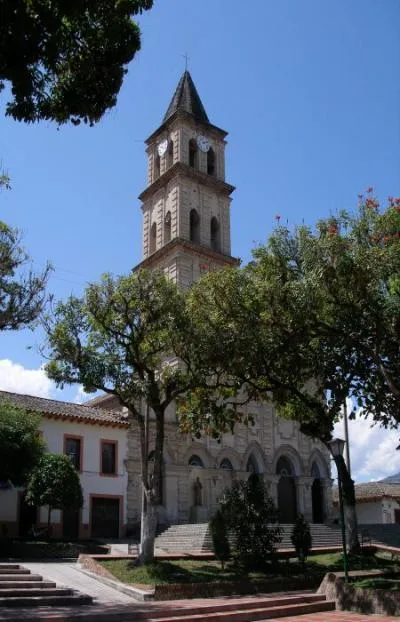
The tragic incident occurred within a crucial geographic artery of the Huila Department, an administrative region situated roughly 450 kilometers south of the national capital, Bogotá. The municipality of Garzón, often referred to locally as "the Soul of Huila" and recognized as the department’s historic ecclesiastical center, serves as a vital economic and cultural hub. Known for its distinct religious architecture and status as the region’s first Catholic diocese, the area links numerous rural agricultural settlements to the departmental capital of Neiva just 91 kilometers to the north.
Beyond its administrative and cultural significance, Garzón is globally renowned within the specialty agriculture sector for producing high-grade Arabica coffee. The microclimate and fertile terrain of the surrounding mountains yield beans prized by international connoisseurs and commercial buyers alike. This agricultural reputation has drawn high-profile investments to the municipality, including coffee sourcing partnerships established by international cultural figures and specialty enterprises such as the Laughing Man Foundation, which connects local farmers directly to retail markets in New York.
The highway linking Garzón and Neiva is a critical economic lifeline for the transport of these agricultural goods, as well as passenger transit across southern Colombia. However, the mountainous topography of the Huila Department presents persistent infrastructure challenges, with winding terrain and variable weather frequently impacting road safety. Local authorities and transport unions have long debated the need for infrastructural modernizations to accommodate the heavy mix of commercial freight and passenger traffic that traverses the route daily.
While this localized tragedy remains an internal domestic matter for Colombia, it highlights the broader infrastructural vulnerabilities facing rural agricultural hubs in emerging economies. Safe and reliable transit networks are essential not only for domestic mobility and public safety, but also for maintaining uninterrupted supply chains for globally traded commodities like specialty coffee. When critical transport arteries are disrupted, the downstream effects can touch international markets, underscoring the vital link between rural municipal infrastructure and global commerce.
Produced by our editorial team, with AI assistance in editing.