
Six Dead, 97 Rescued, 140 Missing After Indonesia Ferry Capsizes
Six people were confirmed dead, 97 rescued and 140 still missing after the Virgo Transport 8 ferry capsized in the Java Sea on Monday afternoon, Indonesian
Six people were confirmed dead, 97 rescued and 140 still missing after the Virgo Transport 8 ferry capsized in the Java Sea on Monday afternoon, Indonesian authorities said. The vessel, a 30‑metre passenger ferry that had departed from the port of Surabaya bound for the island of Madura, began taking on water shortly after leaving the harbor and sank near the island of Gili Besar. Rescue teams from the national navy, the coast guard and local volunteers launched a coordinated operation, deploying lifeboats, helicopters and divers in an effort to locate survivors and recover bodies.
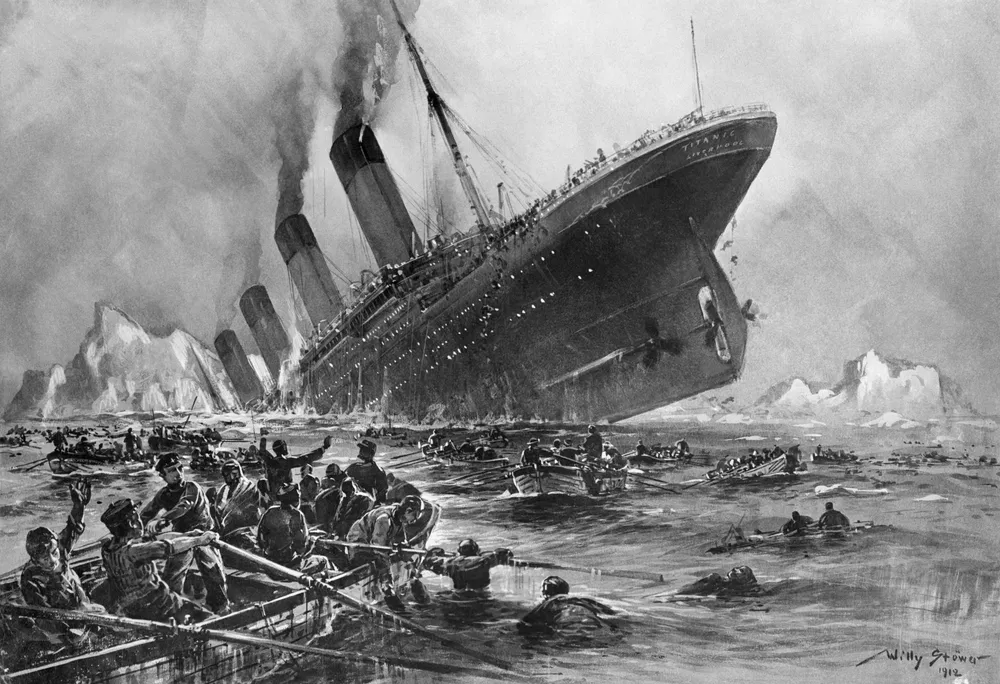
A shipwreck occurs when a vessel is rendered inoperable by grounding, collision or flooding, leading to its abandonment or submersion. The physical remnants of such an incident are referred to as wreckage. In Indonesia, where an extensive archipelagic geography makes waterborne transport essential, ferry accidents have been a recurrent tragedy. According to the National Transportation Safety Committee, more than 200 ferry disasters have been recorded in the past decade, many linked to overloaded vessels, inadequate maintenance and insufficient regulatory oversight. The Java Sea, a busy maritime corridor linking the islands of Java, Madura and Bali, sees thousands of passenger and cargo trips daily, heightening the risk of accidents when safety standards lapse.
The Indonesian government has responded swiftly, with President Joko Widodo ordering a full investigation into the cause of the sinking and directing the Ministry of Transportation to review the licensing and inspection procedures for domestic ferries. The transport ministry has pledged to provide compensation to the families of the deceased and to support the missing persons’ relatives. Meanwhile, the ferry operator, Virgo Transport, has expressed condolences and asserted that the vessel was compliant with existing safety regulations, suggesting that unforeseen weather conditions may have played a role. Local residents and survivor groups, however, have called for stricter enforcement of capacity limits and more frequent vessel inspections, pointing to a pattern of similar incidents in recent years.
Search and rescue efforts continue under challenging conditions. Heavy swells and limited visibility have hampered divers and sonar equipment, while the region’s monsoon season typically brings unpredictable weather. The navy’s fleet of patrol boats and the coast guard’s fast‑response cutters have been deployed, and aerial units are conducting systematic sweeps of the area. International assistance has not been requested, but the scale of the disaster has prompted neighboring countries with maritime expertise, such as Singapore and Malaysia, to monitor the situation closely. The incident also underscores the broader vulnerability of Indonesia’s maritime transport network, which carries an estimated 200 million passengers annually.
The tragedy has implications beyond Indonesia’s borders. The Java Sea is a critical segment of the East Asian shipping lanes that support global trade, including the movement of raw materials and finished goods for Taiwan’s high‑tech and manufacturing sectors. Disruptions to ferry services can affect regional logistics, tourism and the flow of labor across islands, potentially reverberating through supply chains that rely on timely maritime transport. Moreover, the incident highlights the importance of cooperative maritime safety standards and joint emergency response frameworks in a region where dense traffic and frequent natural hazards converge. Strengthening oversight and investing in modern rescue capabilities could mitigate future losses and sustain the stability of a sea route that underpins both regional economies and broader international trade.
Produced by our editorial team, with AI assistance in editing.
