
Shooting at Mazatlán party outside kills two, injures three.
A party in the coastal city of Mazatlán, Mexico, turned violent on Sunday, when a gunman opened fire inside a private gathering, killing two people and inj
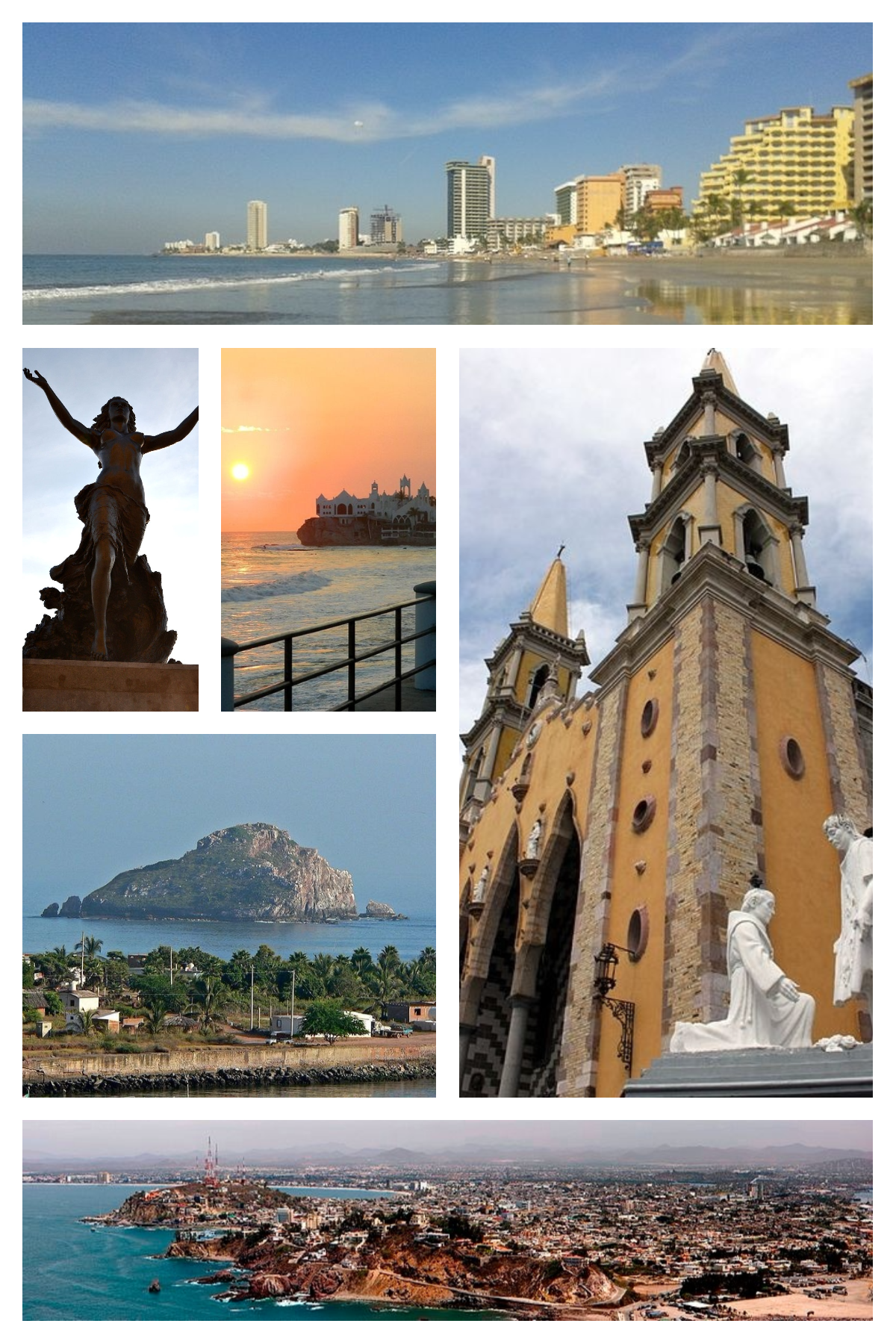
A party in the coastal city of Mazatlán, Mexico, turned violent on Sunday, when a gunman opened fire inside a private gathering, killing two people and injuring three others. The shooting took place on the evening of 26 April in a residence on the outskirts of the municipality that serves as the state capital’s second‑largest city. Police recovered several firearms and are investigating whether the incident was linked to the ongoing violence that has plagued the state of Sinaloa for years.
Mazatlán, whose name means “place of deer” in Nahuatl, has long been a hub of commerce and culture on Mexico’s Pacific coast. Founded during the Spanish conquest in the early 16th century, the city grew rapidly after a wave of German immigrants arrived in the mid‑1800s. Their influence is still visible in local music and the historic Pacifico Brewery, established in 1900. Today the city boasts a population of 441,975 and is a popular tourist destination, offering beaches, a vibrant arts scene, and historic sites such as the Angela Peralta Theater. It also plays a strategic role in regional trade, serving as a port for goods moving between the western United States and the Pacific.
Sinaloa, however, has been mired in drug‑related violence for decades. The state is a major producer of illegal narcotics, and its ports have become critical nodes for trans‑Atlantic trafficking. Over the past decade, the Mexican federal government has intensified efforts to curb cartel activity, but armed confrontations and indiscriminate shootings remain a persistent threat to public safety. The Mazatlán shooting is part of a disturbing trend in which violence spills out of organized‑crime turf wars and targets civilians in public and private settings alike. Law‑enforcement officials have urged residents to remain vigilant and have increased patrols in high‑risk neighborhoods.
The authorities have not yet identified a motive or suspect. Early reports suggest the attack may have been a personal dispute that escalated, but investigators are also exploring the possibility of gang retaliation. The police are reviewing surveillance footage from nearby businesses and interviewing witnesses. Victims were rushed to a local hospital, where one of the deceased was pronounced dead after surgery and the other was taken to intensive care. The three injured persons are currently receiving treatment for varying degrees of gunshot wounds.
This incident underscores the fragile security environment that continues to challenge Mexico’s tourism industry. Mazatlán’s reputation as a safe beach destination has suffered in recent years, with several high‑profile attacks drawing international headlines. Travelers and investors alike are concerned about the potential for similar incidents, which could affect the city’s economic vitality and its role as a gateway for trade between North and South America. The Mexican government has pledged to strengthen law‑enforcement presence in the region and to cooperate with international partners on intelligence sharing to curb cross‑border crime.
While the shooting has no direct link to Taiwan, it highlights broader global concerns over supply‑chain security and the protection of commercial hubs. As global trade increasingly relies on maritime routes, disruptions caused by violence in key ports like Mazatlán can ripple through international markets. Countries that depend on Mexican imports—especially in agriculture, energy, and manufactured goods—must remain cognizant of the risks posed by instability in critical nodes of the global logistics network. The incident serves as a reminder that maintaining secure, resilient infrastructure is essential not only for local economies but also for the stability of interconnected markets worldwide.
Produced by our editorial team, with AI assistance in editing.
