
Severe Weather Hampers Rescue Efforts After Fatal Avalanche Strikes Mount Nemjung Base Camp
Rescue operations faced severe impediments in Nepal’s Manang District on Tuesday after a massive avalanche struck the base camp of Mount Nemjung, leaving f
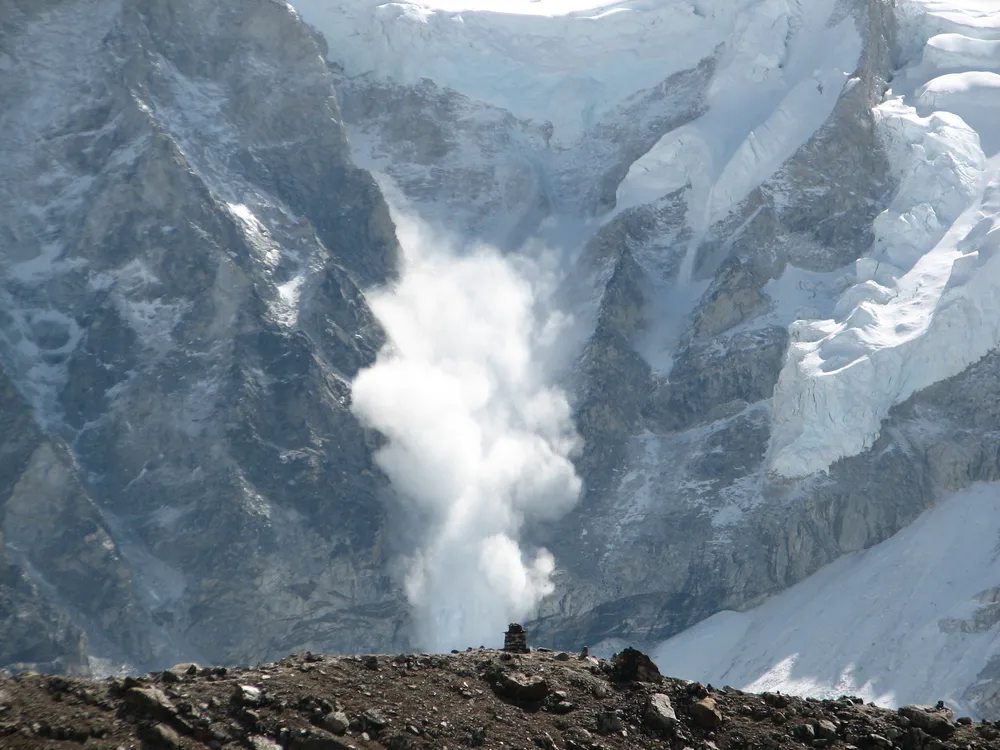
Rescue operations faced severe impediments in Nepal’s Manang District on Tuesday after a massive avalanche struck the base camp of Mount Nemjung, leaving four climbers dead and 12 others unaccounted for. Heavy snowfall and treacherous weather conditions in the remote Himalayan region significantly hampered the deployment of emergency response teams, as authorities scrambled to locate the missing mountaineers amid fears that further snowpack instability could trigger secondary slides.
The disaster occurred as unusually heavy precipitation blanketed the region, a critical factor known to severely weaken existing snowpack structures. Avalanches—rapid, high-velocity flows of snow, ice, and debris down a mountainside—are typically triggered either spontaneously by environmental shifts like increased snowfall, or by external disturbances. According to mountain safety experts, these destructive phenomena generally manifest as either slab avalanches, involving cohesive plates of tightly packed snow collapsing over weak underlying layers, or looser surface slides that gather mass and momentum as they descend.
Mount Nemjung, standing at an elevation of over 7,000 meters, is part of the formidable Annapurna Himalayas, a region historically prone to severe alpine hazards. While mountaineering expeditions are vital to Nepal’s tourism-driven economy, the changing dynamics of high-altitude weather patterns have heightened risks for climbers and local guides alike. Rescue coordinators noted that ongoing blizzards and poor visibility were preventing helicopters from reaching the immediate disaster zone, forcing ground teams to navigate hazardous terrain on foot.
Local authorities and international mountaineering associations are currently coordinating efforts to establish a staging area near the base camp as soon as weather windows permit. The incident underscores the persistent dangers faced by expeditions in high-altitude environments, where rapid atmospheric changes can transform stable snowpacks into lethal powder avalanches within moments. As search and rescue protocols transition from immediate response to recovery phases, the focus remains on stabilizing the base camp perimeter to protect incoming rescue personnel from ongoing environmental threats.
Produced by our editorial team, with AI assistance in editing.