Severe Heatwave on US East Coast Kills 25, Affects 40 Million
Severe heatwaves have recently struck the East Coast, Southeast, and Southwest regions of the United States, resulting in approximately 25 deaths, while 40
Severe heatwaves have recently struck the East Coast, Southeast, and Southwest regions of the United States, resulting in approximately 25 deaths, while 40 million people have been affected by heat alerts. The heatwave has caused widespread impacts across the U.S., particularly in urban areas, where high temperatures have severely disrupted residents' daily lives.
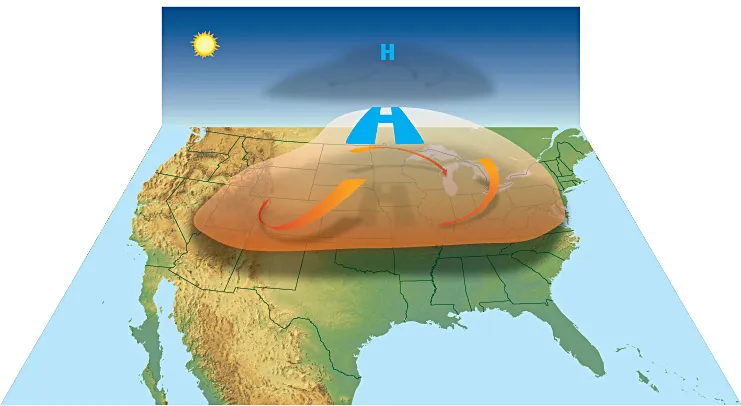
A heatwave is a period of abnormally hot weather lasting several days, typically relative to the normal climate and seasonal temperatures of the region. The difficulty in defining a heatwave lies in quantifying what constitutes a "normal" temperature state and determining the spatial extent of the heatwave event. For people from warmer climates, normal temperatures may be considered a heatwave in cooler regions. For example, if temperatures exceed the normal climatic patterns of a given area, it is considered a heatwave. Heatwaves are usually associated with the presence of high-pressure systems in the upper atmosphere, which cause air to sink, compress, and heat up, thereby generating high temperatures.
In recent years, the frequency and intensity of heatwaves have increased globally, particularly over land. According to World Meteorological Organization data, heatwaves continued to intensify in 2024, with record-breaking high temperatures recorded in regions such as Europe, North America, and China. Many areas experienced temperatures exceeding 45°C for multiple consecutive days, highlighting the growing frequency and severity of extreme heat events. Climate change is considered the primary driver behind the increase in the frequency and duration of heatwaves.
Heatwaves have severe impacts on human health and the ecological environment, especially for vulnerable groups such as the elderly, children, and individuals with chronic illnesses. High temperatures can lead to heatstroke, heat exhaustion, and other heat-related illnesses. Furthermore, heatwaves impact industries such as agriculture, forestry, and water resources, and can even trigger wildfires and other natural disasters.
For residents across the United States, heatwaves are a serious weather phenomenon that require proactive preventive and responsive measures. These include maintaining body hydration, avoiding going outdoors during peak heat hours, and using umbrellas and sunscreen. At the same time, governments and relevant departments must also take measures to mitigate the impacts of heatwaves, such as providing cooling facilities in public spaces and strengthening care and support for vulnerable populations.
For Taiwan, although heatwaves are not a direct threat, understanding global heatwave trends and impacts is of vital importance. As an island nation, Taiwan exhibits a high sensitivity to climate change and extreme weather events. Therefore, monitoring the development of global heatwaves and response measures can provide valuable experience and lessons for Taiwan. Concurrently, Taiwan needs to strengthen its research on climate change and enhance its early warning capabilities to prepare for and respond to potential extreme weather events in the future.
Produced by our editorial team, with AI assistance in editing.