
Severe floods and landslides in Kenya kill at least ten people
Kenya has recently experienced severe flooding and landslides, resulting in at least ten deaths. Heavy rains across several regions have caused rivers to o
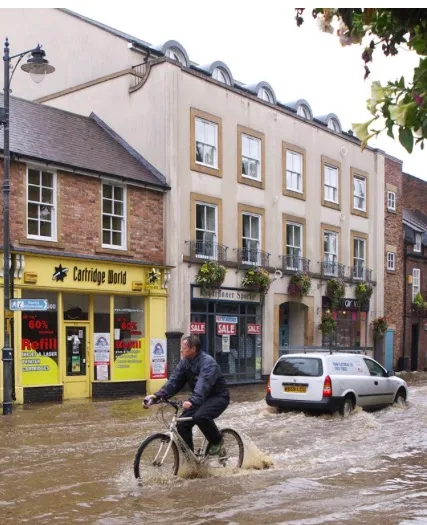
Kenya has recently experienced severe flooding and landslides, resulting in at least ten deaths. Heavy rains across several regions have caused rivers to overflow and slopes to give way, leading to extensive damage and casualties. Kenya, a country in East Africa with a varied geography that includes plateaus, mountains and coastal areas, is prone to natural disasters.
Flooding—defined as the overflow of water or other liquids onto normally dry land—has significant implications for agriculture, civil engineering and public health. Human alterations to the environment often intensify the magnitude and frequency of floods, such as changes in land use, deforestation, loss of wetlands, river channel modifications, or the construction of flood‑control structures like levees. Global environmental issues also influence flood causation, especially climate change, which strengthens the water cycle and raises sea levels. Climate change makes extreme weather events more frequent and severe, thereby increasing flood intensity and risk.
The current Kenyan flood event is primarily the result of heavy rainfall that caused rivers to breach their banks and triggered landslides, inflicting serious damage on local residents and infrastructure. The Kenyan government and rescue organisations are working to respond to the disaster, providing assistance and conducting rescue operations. The incident has also heightened public attention to climate change and environmental protection, underscoring the need for stronger cooperation between the Kenyan authorities and international bodies to address the challenges posed by a changing climate.
The Kenyan floods serve as a reminder of the importance of disaster risk awareness and preventive measures. Kenyan officials and communities must place greater emphasis on flood early‑warning systems and mitigation strategies, including improving infrastructure, raising public awareness and enhancing emergency response capacity. Likewise, international organisations and foreign governments should deepen collaboration to confront the combined threats of climate change and natural hazards.
Although the Kenyan floods have no direct link to Taiwan, they are relevant for understanding the broader international context and the impacts of climate change. Taiwan, which is also vulnerable to natural disasters—particularly typhoons and floods—needs to strengthen cooperation between government agencies and civil society to meet the challenges of climate change and disaster response. Taiwan can draw lessons from Kenya’s experience to improve its own flood warning and prevention measures, boost public awareness and emergency preparedness, and jointly protect the environment while confronting climate‑related challenges.
Produced by our editorial team, with AI assistance in editing.
