Search Ends as Ninth Victim Recovered from Capsized Boat on Zambales Lake
The body of the last missing passenger was pulled from the wreckage of a small boat that capsized on Thursday on Mapanueve Lake in San Marcelino, Zambales,
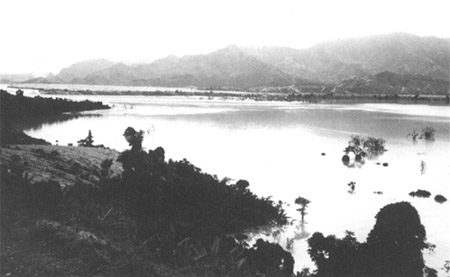
The body of the last missing passenger was pulled from the wreckage of a small boat that capsized on Thursday on Mapanueve Lake in San Marcelino, Zambales, bringing the death toll from the incident to nine. The recovery, carried out by a joint team of the Philippine Coast Guard, local police and volunteers, marked the conclusion of a three‑day search and rescue operation that began after the vessel overturned in the early hours of Wednesday.
Mapanueve Lake, a shallow freshwater body that fills the former Mapanueve Valley, is itself a product of disaster. The lake was formed in the aftermath of the 1991 eruption of Mount Pinatubo, one of the largest volcanic events of the 20th century. Massive lahars—volcanic mudflows—blocked the natural drainage of the Mapanueve River, submerging the valley and its settlements under water. Today, the lake’s most recognizable landmark is the lone steeple of a village chapel that still pierces the surface, a reminder of the community that once stood there.
The capsizing occurred amid a sudden squall that produced strong gusts and choppy waters, conditions that local fishermen say are not uncommon during the rainy season. According to the Zambales provincial government, the boat was carrying nine passengers, all of whom were residents of nearby barangays. Initial reports indicated that three people managed to swim to shore, while six were listed as missing. Rescue teams deployed inflatable rafts, sonar equipment and divers, but the lake’s murky depth and the debris from the submerged chapel complicated the effort.
Authorities have faced criticism from families of the victims, who contend that the vessel was overloaded and that safety checks were lax. The provincial disaster risk reduction office responded that the boat met the Department of Transportation’s licensing requirements and that the sudden weather shift was unforeseeable. Meanwhile, community leaders have called for stricter enforcement of boat capacity limits on the lake and for the installation of early‑warning weather stations to alert boat operators of rapid changes in conditions. The Philippine Coast Guard, which coordinated the search, emphasized that its crews acted promptly once the distress call was received, but acknowledged that the lake’s unique topography—its shallow, silt‑laden waters and the presence of submerged structures—poses inherent challenges for rescue operations.
The incident has revived discussions about the broader safety and environmental management of Mapanueve Lake. Since its formation, the lake has become a modest tourist attraction, drawing visitors to its tranquil scenery and the iconic chapel spire. Local officials have promoted eco‑tourism projects that hinge on the lake’s appeal, yet the recent tragedy highlights the delicate balance between economic development and the need for rigorous safety protocols. Environmental groups have also pointed out that the lake’s water quality remains vulnerable to sedimentation and occasional algal blooms, factors that can affect both human activity and the lake’s ecosystem.
While the loss of nine lives is a local tragedy, the episode underscores larger regional concerns about disaster preparedness in areas reshaped by volcanic activity. The Philippines, situated on the Pacific “Ring of Fire,” regularly contends with volcanic eruptions, earthquakes and typhoons, making the integration of historical disaster knowledge into current risk management essential. Lessons learned from Mapanueve Lake—particularly the importance of real‑time weather monitoring, vessel safety enforcement and community awareness—could inform similar initiatives across Southeast Asia, where many communities live in landscapes altered by past geological events. Strengthening these safeguards not only protects lives but also sustains the economic and cultural activities that depend on such unique natural environments.
Produced by our editorial team, with AI assistance in editing.