
Saudi Arabia Triples Crude Oil Storage in Japan to Enhance Energy Security
Tokyo has announced a significant expansion of its bilateral energy security framework, following an agreement with Riyadh to dramatically increase the vol
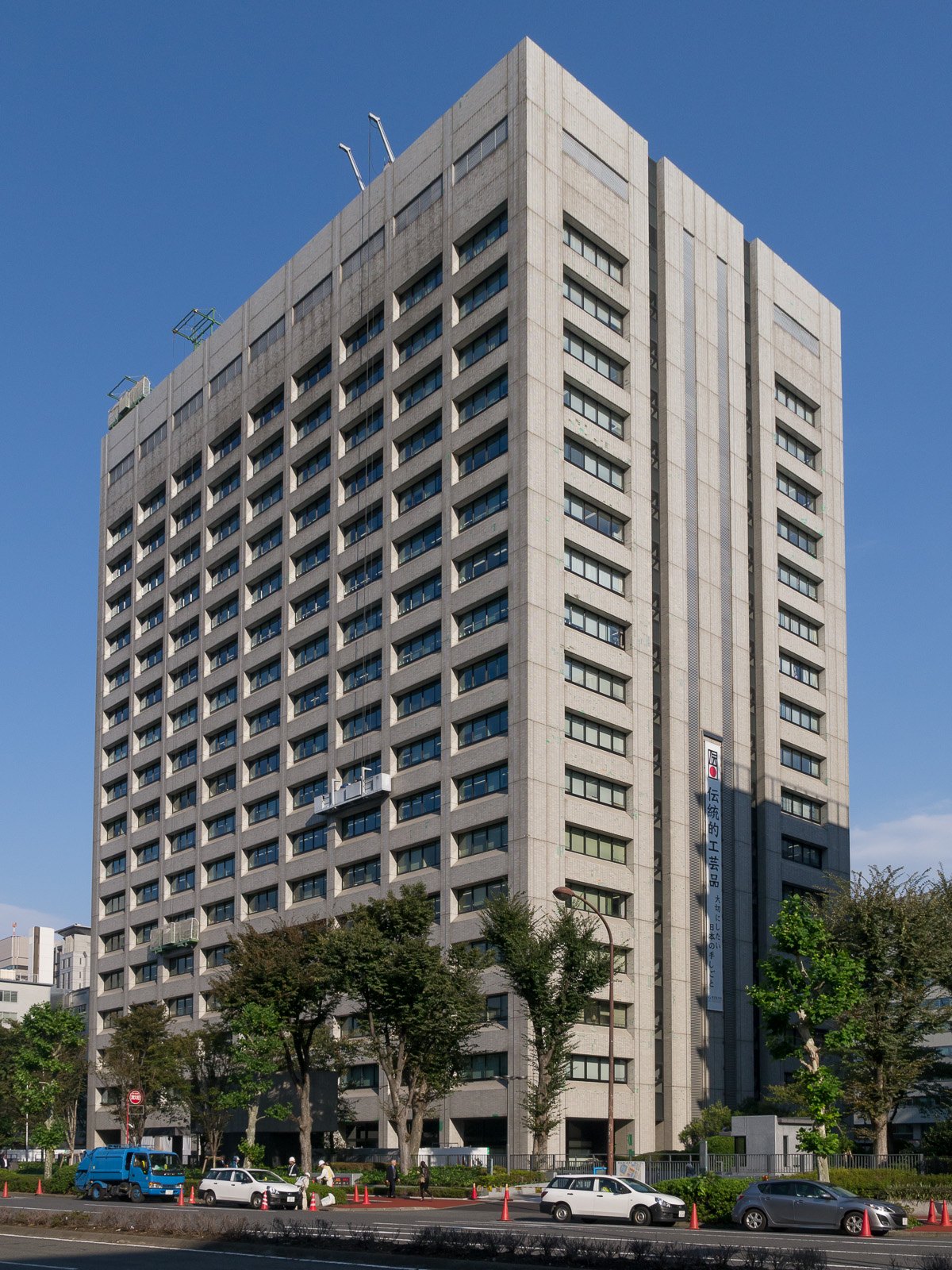
Tokyo has announced a significant expansion of its bilateral energy security framework, following an agreement with Riyadh to dramatically increase the volume of crude oil stored within Japanese territory. Under the arrangement, finalized through negotiations led by Japan’s Ministry of Economy, Trade and Industry (METI), Saudi Arabia will triple its stored crude reserves in the country to reach 24 million barrels. The initiative operates under an established joint stockpiling mechanism that allows major Middle Eastern producers to maintain petroleum reserves directly inside Japan, ensuring immediate access in the event of supply disruptions.
The agreement reinforces a long-standing strategic arrangement designed to insulate the world's fourth-largest economy from external energy shocks. METI, which oversees Japan's comprehensive industrial, trade, and energy security policies from its headquarters in Tokyo's Kasumigaseki district, has managed joint crude storage frameworks with key Gulf suppliers—including Saudi Arabia, Kuwait, and the United Arab Emirates—for decades. These programs allow partner nations to lease storage capacity while granting Tokyo priority access to the stored petroleum during emergency shortages, creating a mutually beneficial buffer against volatile geopolitical and market conditions.
For Saudi Arabia, maintaining substantial physical inventories in Asia helps anchor its position as a primary crude supplier to the world's most dynamic energy consumption hub. By tripling its stored volume to 24 million barrels, Riyadh secures a guaranteed foothold in the East Asian market, ensuring that its export infrastructure remains closely integrated with key industrial economies. The deal reflects the enduring nature of economic interdependence between resource-rich Middle Eastern states and advanced industrial nations in East Asia, even as global energy markets undergo structural transitions toward cleaner fuels.
The bolstered crude reserve agreement carries notable implications for the broader Indo-Pacific region, where stable energy corridors remain vital for maintaining both economic output and maritime security. As geopolitical tensions periodically threaten vital shipping lanes such as the Strait of Hormuz, securing robust domestic petroleum reserves allows Tokyo to mitigate supply chain vulnerabilities that could otherwise disrupt regional trade and manufacturing stability. Ensuring uninterrupted energy flows is critical not only for Japan's domestic industrial base—including advanced technology and high-precision manufacturing sectors deeply integrated with Taiwan and other regional partners—but also for preserving overall economic resilience across the wider Indo-Pacific.
Produced by our editorial team, with AI assistance in editing.