Russian Missile Crashes in Poland, Sparks NATO Alert Amid Ukraine Conflict Escalation
During a Russian aerial assault on Ukraine, a Russian-made Kh-101 cruise missile carrying a payload veered off course and infiltrated Polish airspace from
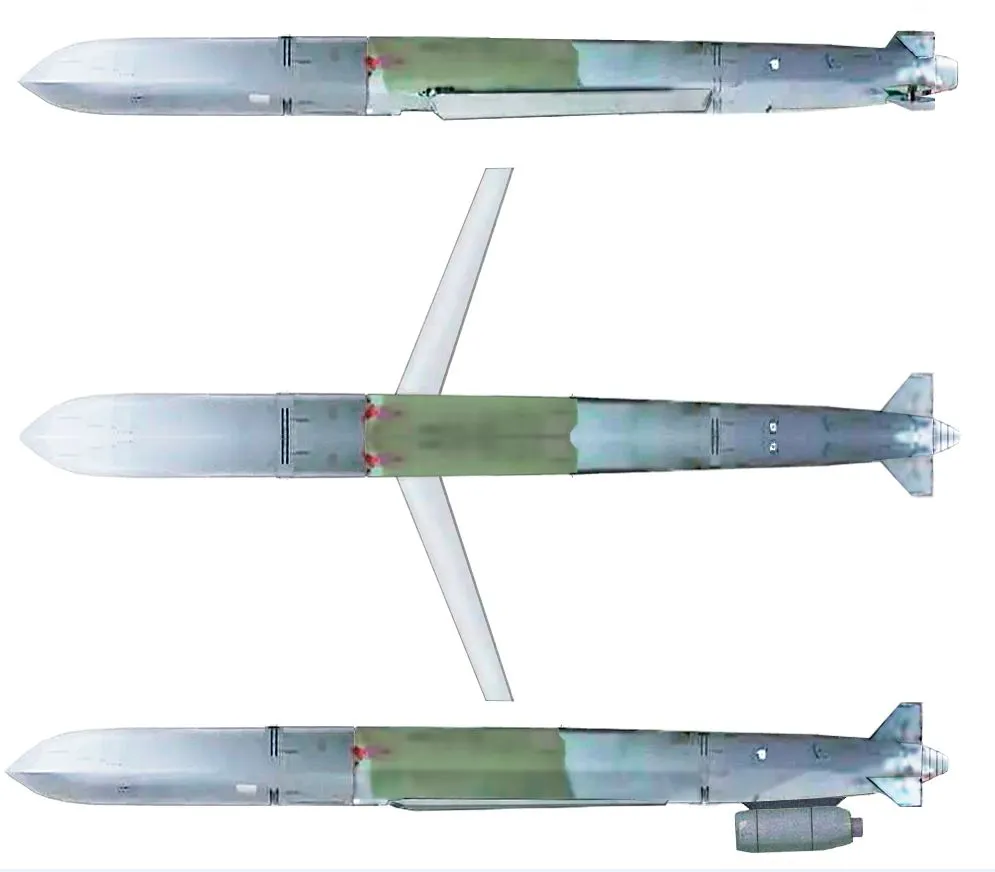
During a Russian aerial assault on Ukraine, a Russian-made Kh-101 cruise missile carrying a payload veered off course and infiltrated Polish airspace from the Ukrainian border at around midnight local time. The missile, traveling approximately 80 kilometers inland, crashed and exploded in a rural area near Tarnawa-Kolonia in eastern Lublin Province, Poland. This incident drew the attention of the North Atlantic Treaty Organization (NATO), with Poland and its allied air defense systems detecting the situation immediately and scrambling fighter jets to ensure airspace security.
The Kh-101, NATO codenamed "Kodiak," is Russia's primary air-to-ground cruise missile. Development on the Kh-101 began in the 1990s and entered Russian military service in the 2010s following extensive testing in the 2000s. The missile has seen widespread use in Syria and has become a core component of Russia's strategy to target Ukraine's distant strategic and infrastructure assets in the ongoing conflict. Capable of supersonic cruise, the Kh-101 has a maximum speed of approximately 0.8 Mach and features a conventional design with high stealth capabilities and precise navigation.
It is worth noting that the Kh-101 series also includes its strategic derivative, the Kh-102, a nuclear-capable variant that has yet to be deployed in combat since its inception. The crashed missile in Poland, however, was confirmed to be a conventional Kh-101 variant, yet its incursion into NATO member territory and subsequent explosion has raised concerns about the risks of spillover in the conflict.
The Polish military and NATO units are currently conducting a detailed investigation into the missile's flight path and wreckage to determine whether it was caused by a navigation system failure, electronic warfare interference, or a deliberate act of provocation. As the conflict between Russia and Ukraine continues, incidents involving air-launched weapons crossing borders or crashing into neighboring territories have become more frequent, putting the air defense capabilities of frontline countries to the test and straining the already fragile strategic security balance between NATO and Russia.
For Taiwan, this incident highlights the potential risks of modern high-precision cruise missiles deviating from their intended course due to mechanical failures, navigation errors, or electronic interference, ultimately posing a security risk to non-belligerent territories. In light of Taiwan's own situation, where regional geopolitics are tense and the country frequently faces gray-zone attacks and aerial threats, it will be crucial for Taiwan to accurately monitor the dynamics of its surrounding air and maritime domain, enhance its real-time warning and multilayered air defense interception capabilities, and maintain a high standard of crisis management to address such situations.
Produced by our editorial team, with AI assistance in editing.