
Russian airstrike on Kami‑Kamianske kills four civilians, injures five
A Russian airstrike struck the industrial city of Kami Kamianske in Ukraine’s Dnipropetrovsk region on Tuesday, killing four civilians and wounding five ot
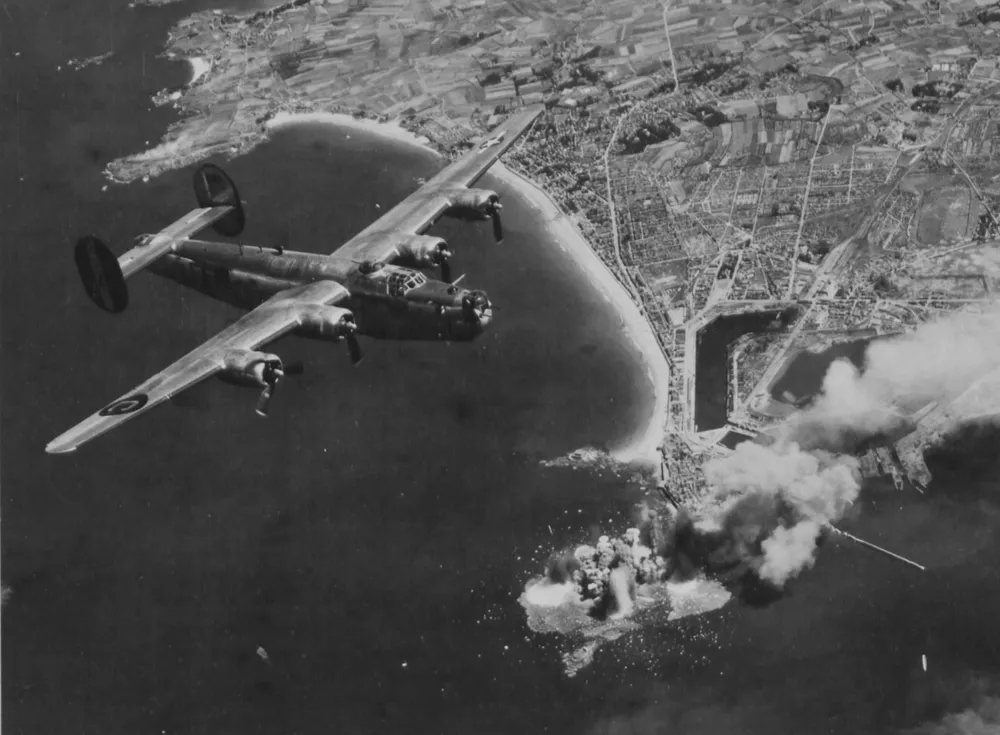
A Russian airstrike struck the industrial city of Kami Kamianske in Ukraine’s Dnipropetrovsk region on Tuesday, killing four civilians and wounding five others, one of them in critical condition, regional governor Oleksandr Hanza said. The attack, which took place in the city’s central district, was reported to have involved a single aircraft delivering a precision munition, though the exact weapon system has not been confirmed.
Airstrikes, by definition, are offensive operations carried out by aircraft against ground or sea‑surface targets. They can range from low‑altitude strafing runs with machine‑gun fire to the deployment of guided bombs, cruise missiles or even emerging directed‑energy weapons. In contemporary conflicts, such strikes are often coordinated with ground observers to provide close air support, a practice that mirrors artillery fire control and aims to maximise impact on designated military objectives while limiting collateral damage. In the case of Kami Kamianske, Ukrainian officials have asserted that the strike hit a residential area rather than a legitimate military installation, suggesting a breach of the principle of distinction that underpins international humanitarian law.
The Russian Defence Ministry has not yet issued a detailed statement on the operation, but in previous similar incidents it has maintained that its aerial campaign targets logistics hubs, ammunition depots and command‑and‑control centres used by Ukrainian forces. Moscow argues that such facilities are often embedded within civilian infrastructure, making it “impractical” to avoid civilian harm entirely. Kyiv, on the other hand, has repeatedly condemned Russian air attacks that strike densely populated neighborhoods, labeling them as unlawful and part of a broader strategy to undermine morale and pressure the Ukrainian government into concessions. The Ukrainian government has called for an intensified investigation by the International Criminal Court, arguing that repeated attacks on non‑military sites constitute war crimes.
Since the war’s inception in February 2022, Russian air power has been a central component of its offensive, initially relying on high‑altitude bombers and later shifting toward more flexible platforms such as attack helicopters and unmanned combat aerial vehicles (UCAVs). This evolution reflects both the increasing sophistication of Ukraine’s air defence network and the logistical challenges faced by Russia in sustaining long‑range strike capabilities. Ukrainian forces have responded by bolstering radar coverage, deploying portable air‑defence systems and integrating civilian reporting networks to improve target identification and reduce the risk of misdirected fire.
International reactions to the Kami Kamianske strike have been muted compared with larger‑scale attacks on major cities, yet the incident underscores the persistent volatility of the front lines in central Ukraine. Western governments have reiterated their support for Ukraine’s right to self‑defence, providing additional air‑defence assets and intelligence to help intercept hostile aircraft. Meanwhile, Russian officials have warned that any escalation in foreign military aid could prompt “more decisive” aerial operations, a rhetoric that aims to deter further external involvement while justifying intensified strikes.
The incident matters beyond the immediate human toll because it highlights the enduring vulnerability of civilian populations in contested zones and the challenges of enforcing the laws of armed conflict in a high‑technology battlefield. For the wider region, continued Russian air activity raises concerns over the safety of critical infrastructure, including energy facilities and transport corridors that link the Black Sea to the European market. Disruptions to these nodes could reverberate through global supply chains, especially in sectors such as steel and agricultural exports that depend on Ukrainian output. Moreover, the persistence of air‑strike campaigns underscores the strategic importance of robust air‑defence cooperation among NATO allies, a factor that will shape security calculations across Eastern Europe for the foreseeable future.
Produced by our editorial team, with AI assistance in editing.