
RBA raises cash rate to 4.60%, highest in over a decade.
The Reserve Bank of Australia (RBA) lifted its cash rate by a quarter‑percentage point to 4.60 percent on Friday, the highest level in more than a decade.
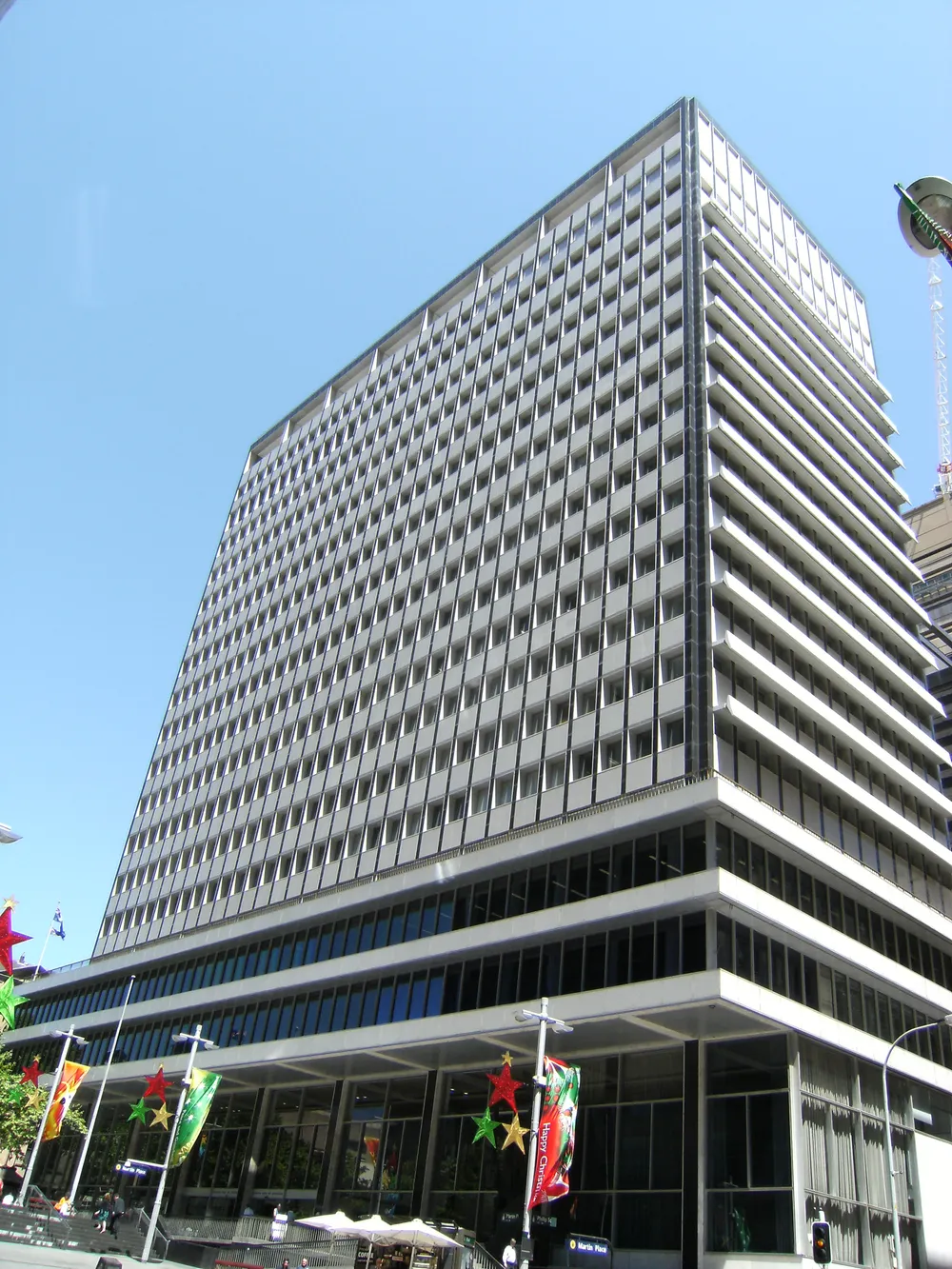
The Reserve Bank of Australia (RBA) lifted its cash rate by a quarter‑percentage point to 4.60 percent on Friday, the highest level in more than a decade. The decision, announced at the RBA’s weekly policy meeting, follows a series of rate hikes that have seen the benchmark rate climb from 1.85 percent at the beginning of 2023 to 4.60 percent today. The move was driven by a persistence of inflationary pressures that remain well above the central bank’s 2–3 percent target range.
The RBA’s mandate, set out in the Reserve Bank Act 1959, is to promote the stability of the Australian dollar, full employment, and the economic prosperity and welfare of the Australian people. Monetary policy is therefore the primary tool the bank uses to achieve its inflation target, with the cash rate serving as the benchmark for short‑term interest rates throughout the economy. In addition to setting the cash rate, the RBA’s structure includes the Reserve Bank Board—comprising senior officials from the Treasury, other government agencies, and representatives of key financial institutions—which oversees all monetary and banking policies, and the Payments System Board, which governs the national payments infrastructure.
The recent hike reflects a broader tightening cycle that the RBA has pursued to counter a surge in consumer prices, particularly in housing, food, and energy. Inflation data released in the preceding weeks showed a year‑on‑year rise of 7.9 percent in the consumer price index, the steepest since 2022. While the Australian economy has shown resilience, with GDP growth of 2.8 percent in the first quarter of 2024, the central bank signals that the inflationary environment remains too high for the target corridor. By raising the cash rate, the RBA aims to dampen borrowing demand, cool housing market activity, and reduce the cost of imported goods, thereby easing price pressures.
Market reactions have been swift. The Australian dollar strengthened by 0.6 percent against the U.S. dollar in the first trading session after the announcement, reflecting expectations of a continued tightening stance. Australian equity indices dipped modestly, while government bond yields rose in line with the higher policy rate. Australian households and businesses are likely to feel the impact through higher mortgage rates and increased borrowing costs, which could temper consumer spending and investment. Conversely, the tighter stance may reassure investors about the long‑term sustainability of Australia’s fiscal position, potentially boosting confidence in the country’s financial markets.
For Taiwan and the wider Asia‑Pacific region, the RBA’s rate hike carries several implications. Australia is a key trading partner for Taiwan, particularly in the semiconductor and raw materials sectors. Higher Australian rates can strengthen the Australian dollar, making Australian exports more expensive and potentially shifting some supply chain flows toward other regions, including Taiwan, that offer cost‑competitive alternatives. Additionally, the tightening cycle in Australia could influence global commodity prices, especially metals and energy, which are critical inputs for Taiwan’s manufacturing base. On the financial side, a higher Australian benchmark rate may affect cross‑border capital flows and the pricing of risk‑linked instruments, prompting Taiwanese financial institutions to reassess their exposure to Australian debt and currency markets. Thus, the RBA’s decision underscores the interconnectedness of monetary policy moves within the global economy and highlights the need for Taiwanese businesses and policymakers to remain vigilant about potential ripple effects on trade, supply chains, and financial stability.
Produced by our editorial team, with AI assistance in editing.