Protesters rally in Orléans as Marine Le Pen convenes National Rally congress
Marine Le Pen convened the National Rally congress in Orléans over the weekend, a gathering that drew hundreds of demonstrators to the city’s streets in a
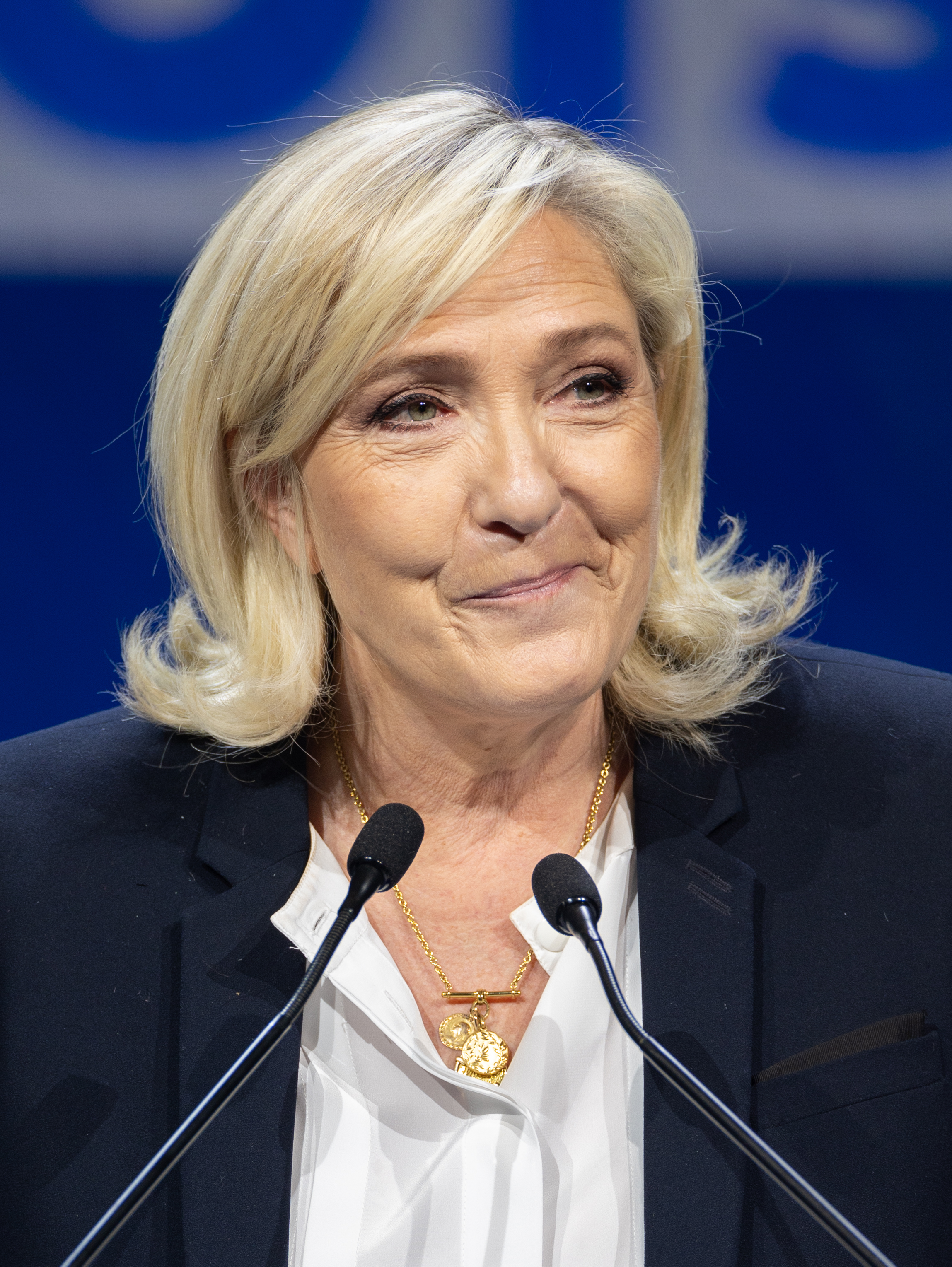
Marine Le Pen convened the National Rally congress in Orléans over the weekend, a gathering that drew hundreds of demonstrators to the city’s streets in a sharp counter-mobilization led by left-wing politicians and civil rights groups. The convention highlighted the enduring polarization surrounding France's most prominent far-right political force as it continues to seek mainstream legitimacy and consolidate electoral gains following strong showings in recent national ballots.
Outside the venue, protesters chanted slogans and waved banners condemning the party’s platform, reflecting deep-seated opposition to the National Rally's nationalist and anti-immigration agenda. The demonstration brought together a coalition of leftist lawmakers, trade unionists, and local activists who argued that the party’s ideology remains fundamentally incompatible with democratic norms. Police maintained a heavy presence to keep the opposing groups separated, ensuring the event proceeded without major violent incidents while underscoring the high-stakes political friction framing contemporary French public life.
Inside the congress, Le Pen addressed party faithful and delegates, focusing on strategic preparations for upcoming electoral cycles and the continued evolution of the party formerly known as the National Front. Since taking the helm in 2011 from her father and party founder Jean-Marie Le Pen, the veteran politician has pursued a systematic campaign of "démondiabolisation"—softening the party's public image to broaden its appeal beyond its traditional hardline base. Her leadership has seen the organization transition from a fringe movement into a formidable parliamentary bloc, with Le Pen securing significant vote shares in successive presidential bids and anchoring a large contingent of deputies in the National Assembly.
Critics, however, contend that the party's core tenets regarding national sovereignty, protectionism, and immigration remain unchanged beneath a veneer of institutional respectability. The political establishment continues to grapple with how to counter the National Rally’s steady accumulation of influence, particularly as economic pressures and public dissatisfaction with traditional governing parties drive voters toward populist alternatives. The juxtaposition of the Orléans congress with the street protests outside captures the broader national dilemma facing France: a deeply divided electorate where the far-right is firmly entrenched as a central pillar of the political landscape.
For the broader European Union, the trajectory of France's National Rally carries significant regional implications. As a leading Eurosceptic voice within the bloc, any future domestic breakthrough by Le Pen’s party could alter France's commitment to European integration, defense cooperation, and joint economic policies. Given Paris's central role in steering EU legislative agendas and geopolitical strategy, the domestic consolidation of the National Rally directly impacts the stability and future direction of European multilateralism.
Produced by our editorial team, with AI assistance in editing.